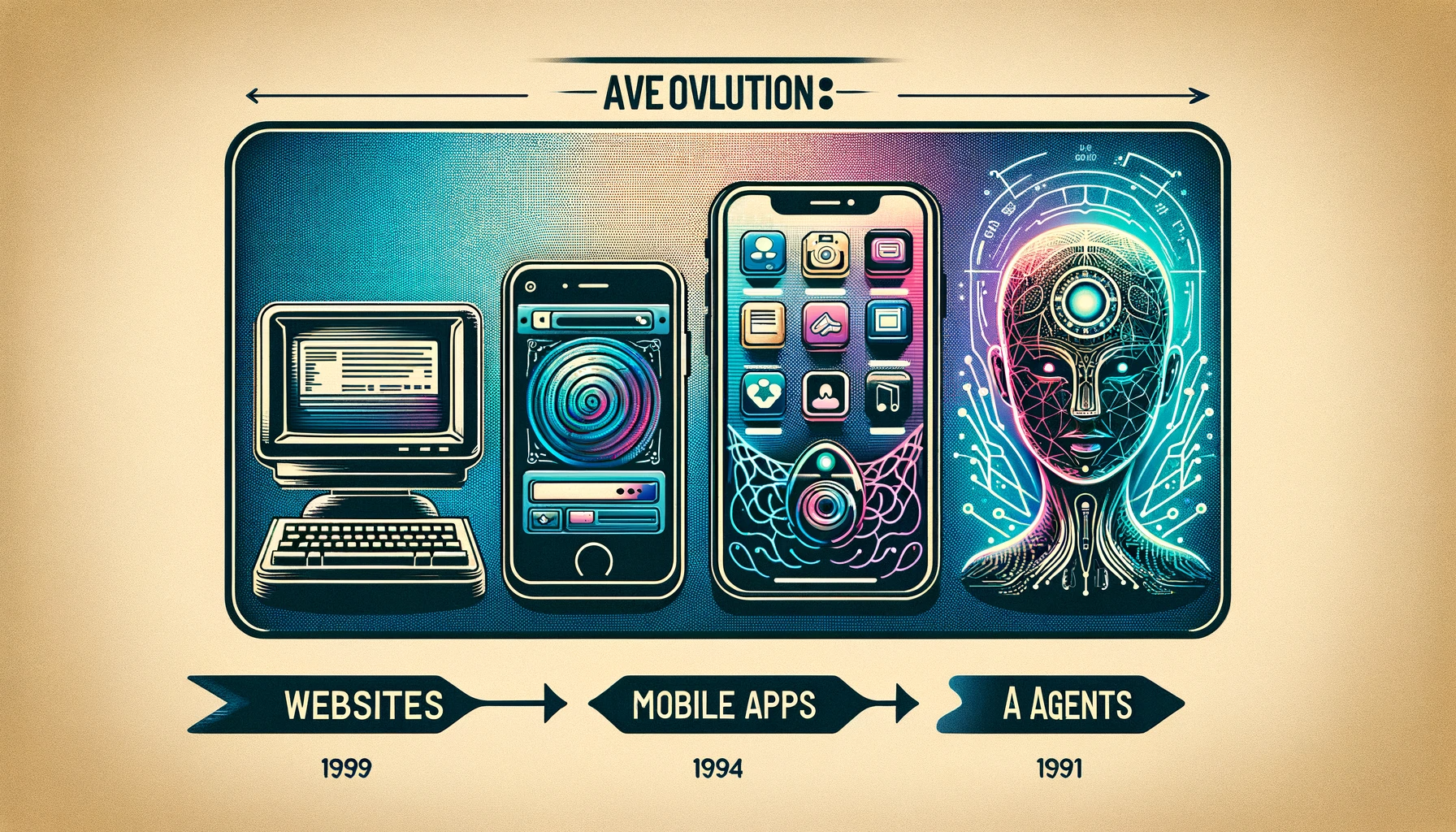

In the tapestry of human history, communication has always been a cornerstone of progress and collaboration. A millennium ago, human interaction was predominantly vocal, tethered to the languages and dialects that were mutually intelligible. It was an era where spoken word held dominion, and knowledge was transferred through storytelling and direct conversation. This oral tradition was vibrant and dynamic, yet ephemeral, with each message subject to the limitations of memory and the barriers of distance.
The advent of the printing press in the 15th century, credited to Johannes Gutenberg, revolutionized this landscape. It was an innovation that transmuted spoken language into the permanence of print, allowing knowledge to be replicated and preserved. This pivotal invention democratized learning, propagated literature, and became the fulcrum upon which the Renaissance, the Reformation, and the Scientific Revolution pivoted.
Fast forward to the last century, the way humans interact with machines has been starkly different. The digital age ushered in an interface that required adaptation to keyboards, mice, and screens. Filling out forms, clicking buttons, and interacting with graphical user interfaces became the norm. These were stopgap solutions, crafted to translate human intent into a language that machines could decipher and act upon. While functional, this method of interaction was still an intermediary step, a translation of human thought into a constrained set of commands that computers could understand.
Today, we stand on the brink of a new paradigm shift brought forth by large language models (LLMs). LLMs, such as GPT (Generative Pre-trained Transformer), are advanced AI agents that emulate human-like understanding and generation of language. They are designed to process and generate text by predicting subsequent words in a sequence, given all the previous words within some text. This ability allows them to compose sentences, paragraphs, and entire documents that are coherent, contextually relevant, and often indistinguishable from text written by humans.
Filing taxes serves as a prime example to illustrate the evolution of technology and its impact on everyday tasks. Two decades ago, the process was heavily reliant on direct human expertise and interaction. Individuals would gather their financial documents and personally visit an accountant. This visit was not just a formality; it was a necessary step in the process. The accountant would review the paperwork, ask pertinent questions, and use their specialized knowledge to navigate the complex tax code. The taxpayer's role was largely passive, trusting in the accountant's expertise to ensure accuracy and maximize potential refunds or minimize liabilities.
The turn of the century brought about significant changes with the introduction of tax filing software. This innovation allowed individuals to take a more active role in their tax preparation. Instead of relaying information verbally, taxpayers began to input their data directly into a computer program. These platforms were designed to guide users through an interactive process, asking questions and automatically populating the necessary forms. The software performed calculations and checked for common errors, streamlining the process and providing a level of convenience previously unavailable.
The proliferation of smartphones and the development of mobile applications further simplified the process. Taxpayers could now initiate and complete their tax filing from anywhere, at any time, right from their mobile devices. The user interfaces of these apps further simplified the experience, offering a step-by-step guide and the ability to snap photos of documents for automatic data extraction. This represented a shift towards even greater autonomy in personal financial management.
This will all change with the introduction of AI agents. With the help of these agents, you will be able to communicate your intent to file taxes, and they will securely access your information, fill out the necessary forms, file the paperwork, transfer money if needed, and report back the final status.
In the tech industry, there is a major platform shift approximately every 10-15 years. With every platform shift, incumbents are challenged, new companies arise, and new business models come into existence. We are witnessing the beginning of the next platform shift in the year 2023. Slowly AI agents are going to take our tasks in creation, execution and decision making. There may be chaos during the transition, i beleive this will unleash a new era for humanity and expand into other new areas that was not possible before.
NOTE: The image was AI-generated and was not explicitly edited to change the number in that picture to demonstrate that AI is almost there, around 99%, but not yet 100%.
What do you think? Share your thoughts and comments.
Comments
No comments yet. Start the conversation.