
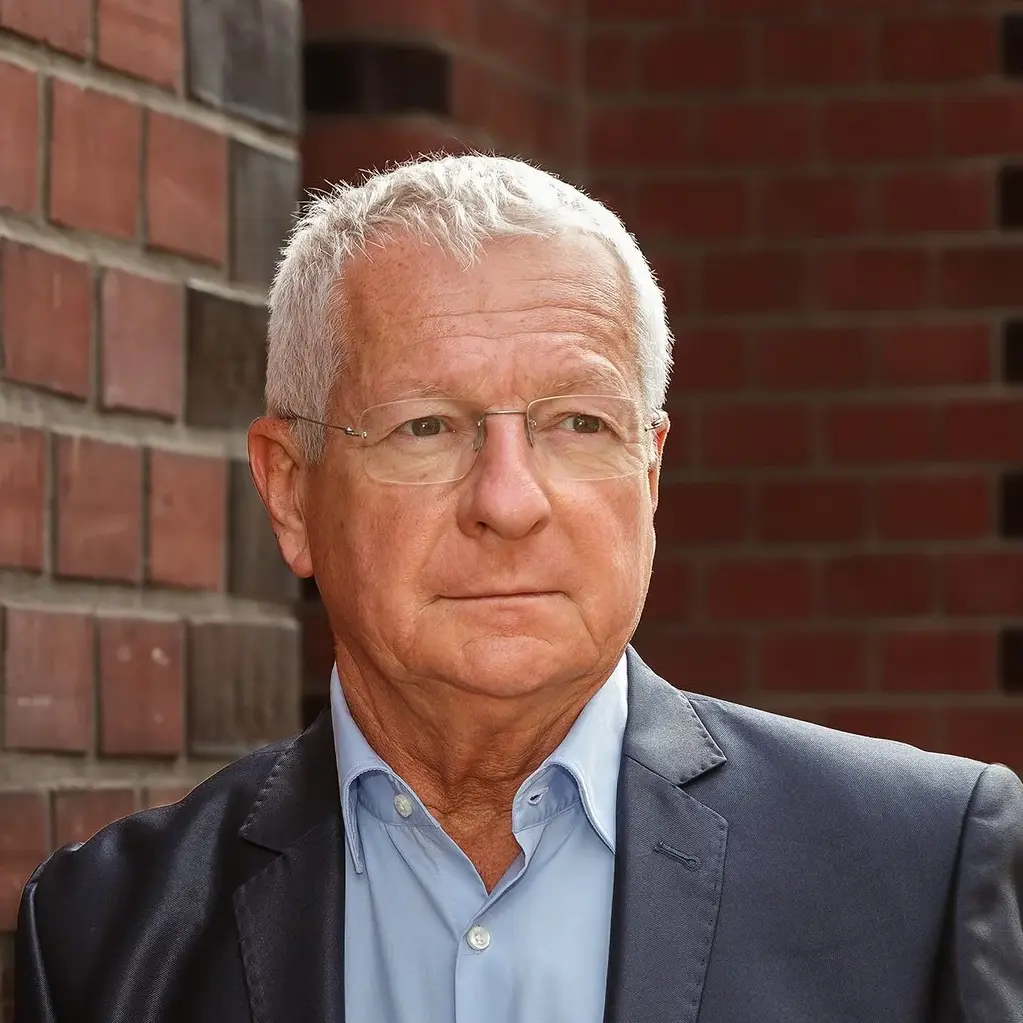
At the edge of historical forgetting: historian Irina Alexandrovna Skortschenko warns of a dangerous blindness to the mechanics of escalation. In this in-depth conversation, she examines the erosion of historical awareness in a society that seems to be forgetting the lessons of the 20th century’s catastrophes.
Together, we trace the slow normalization of war-thinking: the rhetorical arms race, and the dehumanization of “the other.” Skortschenko brings both the weight of lived memory and scholarly distance to a present in which diplomacy is increasingly dismissed as weakness.
Her sharpest observations touch on:
- The loss of remembrance culture — why forgetting the atrocities of the Second World War clears the path for new conflicts, and how the reshaping of historical narrative is manipulating our actions today.
- The mechanics of fear — how social insecurity is instrumentalized to prepare the ground for military solutions, even as social cohesion breaks down.
- The bridge between East and West — why understanding the Russian perspective and Eastern European history isn’t taking a side, but a precondition for peace.
This conversation is an urgent appeal for level-headedness, and a warning against sacrificing the complexity of world politics to simple good-versus-evil narratives. The perspective of an expert able to name these historical fault lines with such precision is an essential contribution to an honest and necessary debate.
“Whoever closes their eyes to the past goes blind to the dangers of the present. We have to find the courage for dialogue before the language of weapons has the last word.”
Watch the full conversation on my channel here:
Comments
No comments yet. Start the conversation.