
Beginning at the start#
In my previous article, The Establishment, I answered the question: "How do we form a company?" I realize, now, that I was getting a bit ahead, of myself, as the precursor to a company is a team, and many people struggle to form teams. So, I will go back to the beginning, and then you can read both articles to the end, and then stop.
The Initiation#
The first, and most-difficult step of team formation, is the initiation. We know that it must be the most-difficult, as it's the step that carries the highest potential reward, and it's the step that is tried-and-failed most often. (Some people, like Elon Musk or Donald Trump, are born Initiators with excellent follow-through, but this archetype is exceedingly thin on the ground because it requires you to be mildly autistic, have barely-throttled ADHD, and/or tend to megalomania, also popularly known as "toxic masculinity", "CEO personality", or "being a successful military officer".)
Someone needs to form a useful, attractive Vision and then motivate other people to help them achieve it. That sounds really easy, but it's actually brutally difficult because
- You have to come up with an idea that is coherent, plausible, and inspiring.
- You have to be able to communicate that idea to other people and make it appealing to them, by tying it into their own personal goals and desires.
- You have to be able to hone and reformulate that idea, constantly, to correct it or to re-motivate the other team members.
- You have to defend the idea against detractors, naysayers, and trolls, and you have to do it so vociferously, that it will erode your own popularity among those who disagree with you and open you to personal attacks.
- You have to be able to focus on the idea, yourself, for a long stretch of time, and not allow yourself to get bored, lazy, or distracted.

So, just do and be all of those things, and then initiate the team, with the method I will name the Hatbock Method. It is so named because of the classic, German initiation ritual, in which an Initiator stands up, loudly defines their Vision and calls into a group "Wer hat Bock?" (roughly, "Who has the hunger/desire?") and whoever responds with "Ich hab Bock." (roughly, "Yes, I hunger for this.") is a part of the team.
Then the Initiator says, "Okay, everyone with the hunger, let's sit down together, and discuss this some more." (This "sitting" is literally called a "seating", or "Sitzung", which is the German word for "meeting".)
The Sitting#
We now get to the second most difficult part of team formation: figuring out where to sit. Most teams get this wrong, repeatedly, and many teams dissolve or fracture under the difficulty of this momentous decision. You would think organizing yourselves online would make this easier ("Oh, we'll just meet online!"), but the number of places available for sitting online are limitless. You can talk your whole Vision into the ground, with laborous discussions and migrations between Chachi, OxChat, Telegram, SimpleX, Slack, Discord, WhatsApp, GitHub, Teams, Coracle, Matrix... you get the idea.
Try to keep in mind that the Vision is more important than the seating area, and go with the flow. Simply, find someplace and go there. Worry about it again, at a later date. Don't lose momentum. Sit down and start discussing the Vision, immediately.

Now, this next bit is very important:
Do not let anyone outside your team influence where you sit!
...unless they are providing your team with some good, service, or income, that makes choosing their preferred location the superior choice.
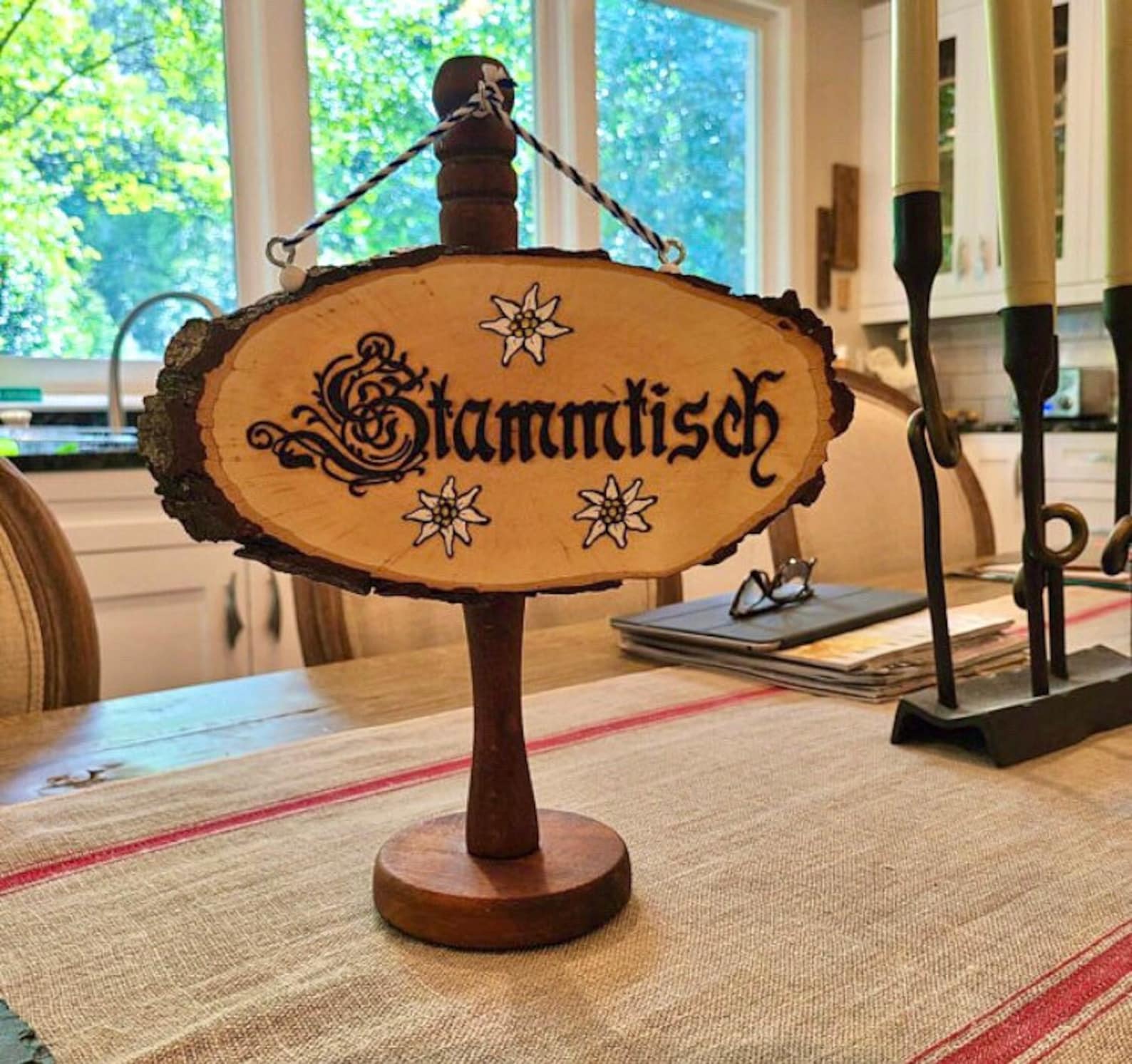
This is the German Stammtisch principle, where a host encourages you to come sit down, regularly, in some particular place, because your sitting there provides them with some benefit: they can overhear your conversations, get you to test out their seating area, sell you refreshments, etc. Your choice of seating, in other words, is a valuable good, and you should only "sell" it to someone who rewards you in measure. They have to reward you because their preferred seating area wasn't your immediate and obvious choice, so there was probably something unappealing or uncertain about the seating area.
Plan it in#
Once you've sat down, and finished your rough draft of the Vision, you need to figure out when to sit. This is the third most-difficult part of team formation. (Yes, don't worry, it gets easier as it goes along.)
The most popular plan is the Wirsehenuns Plan (roughly, "We'll see each other, around.") This can work quite well, if you just want to have a loose collaboration, that calls itself together in an ad hoc fashion, when a team member feels the need. Also known as "@ me, bros".
It's not a great plan for more intensive collaboration, as that tends to need a certain amount of velocity, to actually happen, as the speed of movement has a centrifugal effect on the tasks. Team momentum, in other words, creates a sort of gravity, that keeps the team together as a unit. So, for deeper teamwork, I would recommend the Stammtisch variant: name a place and date/time, when you will next meet. Preferably, on a rotating schedule: daily, weekly, last Thursday of the month, etc.
And then meet there and then. And discuss amongst yourselves. Set clear, short-term tasks (and assign them to particular people!), medium-term strategies, and longer-term goals. Write everything down. Anything not written down, is a suggestion, not an assigned task.
If you find your Stammtisch becoming increasingly rewarding and productive, and your goals start moving closer and closer into sight, then you might want to formalize your team structure further, as a company.
Comments0
No comments yet. Start the conversation.