
Heute auf DiscoverToday on Discover
Entdecke, was andere bewegt.Find what moves people.
Geschichten, Gespräche und Ideen aus dem offenen Netz.Stories, conversations and ideas from the open web.
 HörbuchAudiobookDas verlorene Bit der Berufung_Teil-1

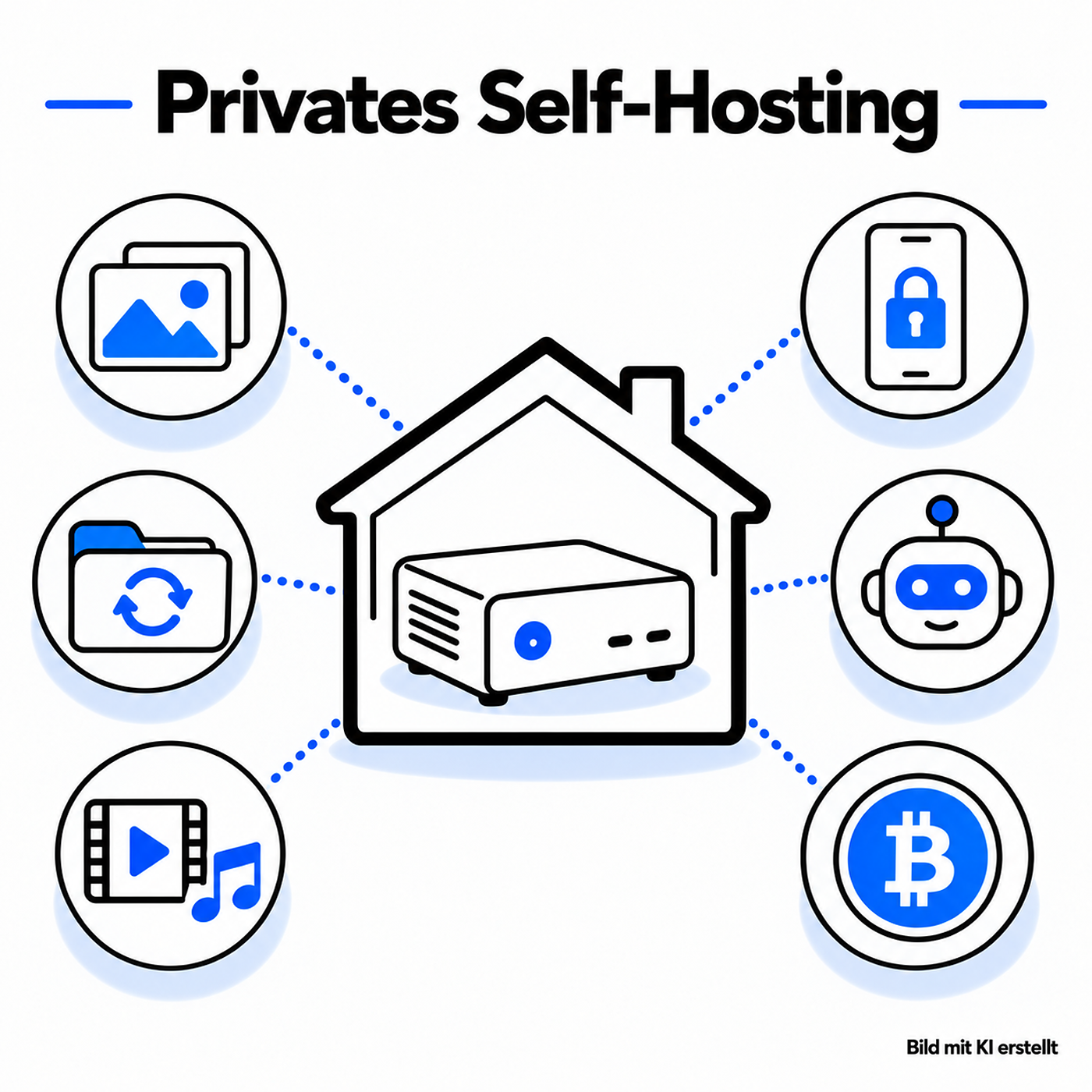 FolgeEpisode#024 Hol dir die Kontrolle über deine Dateien zurück mit deinem eigenen Home-Server

 ArtikelArticleIn Search of Freedom: Life, Death, and Sovereignty in the Himalaya

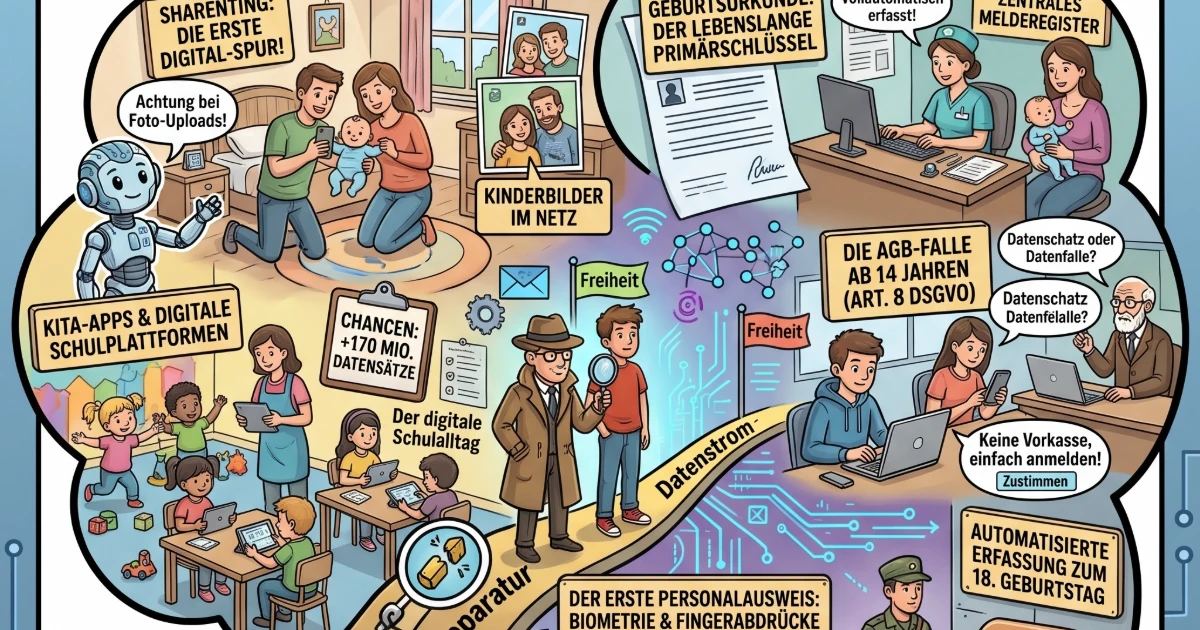 HörbuchAudiobookDer gläserne Mensch - Aza und Avatar - Die Bytes Detektive
 HörbuchAudiobookDas verlorene Bit der Berufung _ Teil-2
GeldMoney



What Bitcoin Taught Me About Patience, Consumption, and True Independence
vor 15 Mon.15 mo ago8 Min.8 min
Neu zum HörenNew to listen
Alles in HörenAll in Listen#023 Deine SIM-Karte verrät dich!
breakfree
#022 Nur so sind deine Bitcoin wirklich privat
breakfree
#021 Dein Vermögen gehört nicht dir (mit einer einzigen Ausnahme)!
breakfree
#020 So bezahlst du, ohne Datenspuren zu hinterlassen
breakfree
#019 Dein Laptop spioniert dich nicht mehr aus, ist dafür aber schneller
breakfree
#018 So entkommst du der Spyware von Microsoft und Apple
breakfree
#017 Der Algorithmus kontrolliert dich!
breakfree
#016 Wie gefährlich sind Updates wirklich?
breakfree
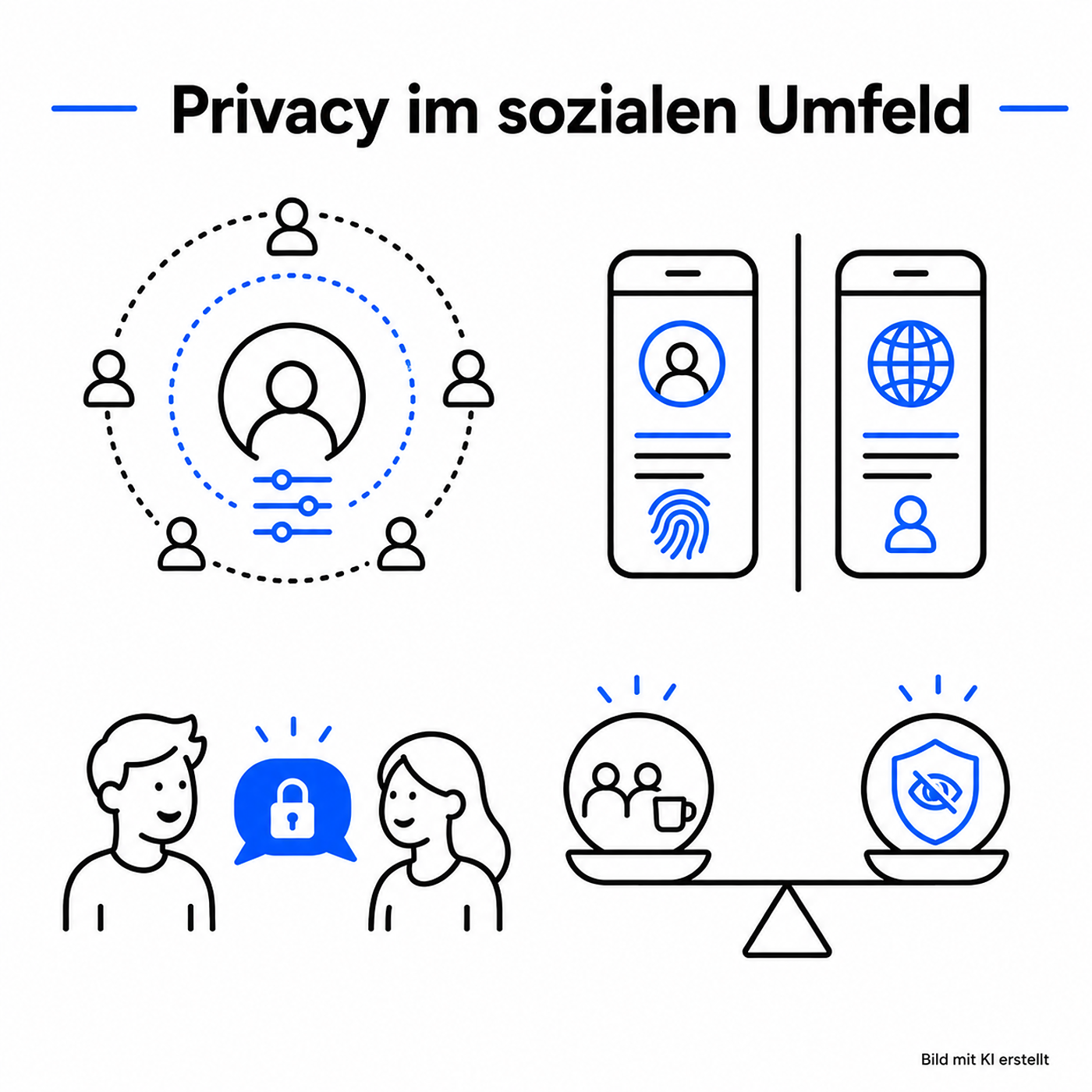
#015 Ist dein soziales Umfeld dein größtes Datenleck?
breakfree
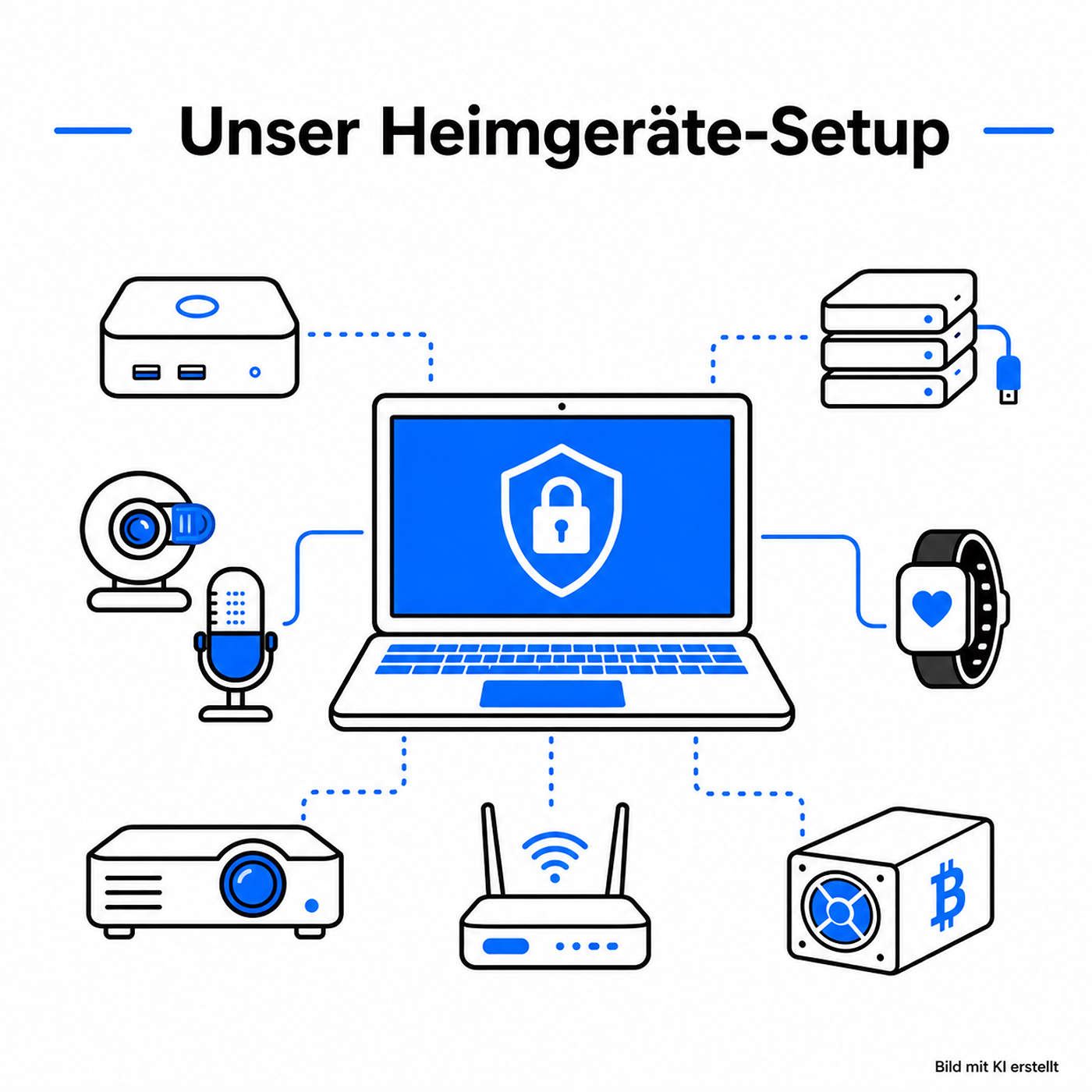
#014 Unsere Wohnungen sind voll mit Technik, aber nicht verwanzt
breakfree











MenschenPeople



PublikationenPublications
Alle ansehenView all


WirtschaftEconomics
Bitcoin Mining Economics in 2026: Who Actually Profits
vor 1 Woche1 w ago3 Min.3 min

Weiter durchs NetzwerkAcross the network
Noch mehr zu entdecken.Keep exploring.
2 Beiträge geladen.2 stories loaded.
🔒 The Bitcoin Chronicles - Arc 2.H.3 - Toward the Discipline of Instant Light
As humanity confronts the psychological strain of living in a world of instant finality, Elias reflects on what must develop alongside entanglement: discipline. This chapter looks forward — proposing that the future of simultaneity depends not on restraint of technology, but on maturation of character.

vor 8 Mon.8 mo ago1 Min.1 min

Too Soon to Tell: On the Premature Concern Over LLMs and the Mind
In this essay I challenge recent claims that large language models like ChatGPT are harming cognitive function. I critiques a widely reported MIT preprint for overstating its findings, situating the current concern in the long history of public anxiety over new technologies, from writing and electricity to video games and cell phones. I argue that such fears are premature and ideologically charged, and that human cognition has historically adapted to new tools through transformation, not decline.
vor 15 Mon.15 mo ago4 Min.4 min