
Heute auf DiscoverToday on Discover
Entdecke, was andere bewegt.Find what moves people.
Geschichten, Gespräche und Ideen aus dem offenen Netz.Stories, conversations and ideas from the open web.
 HörbuchAudiobookDas verlorene Bit der Berufung_Teil-1

 FolgeEpisode#024 Hol dir die Kontrolle über deine Dateien zurück mit deinem eigenen Home-Server
 ArtikelArticleIn Search of Freedom: Life, Death, and Sovereignty in the Himalaya

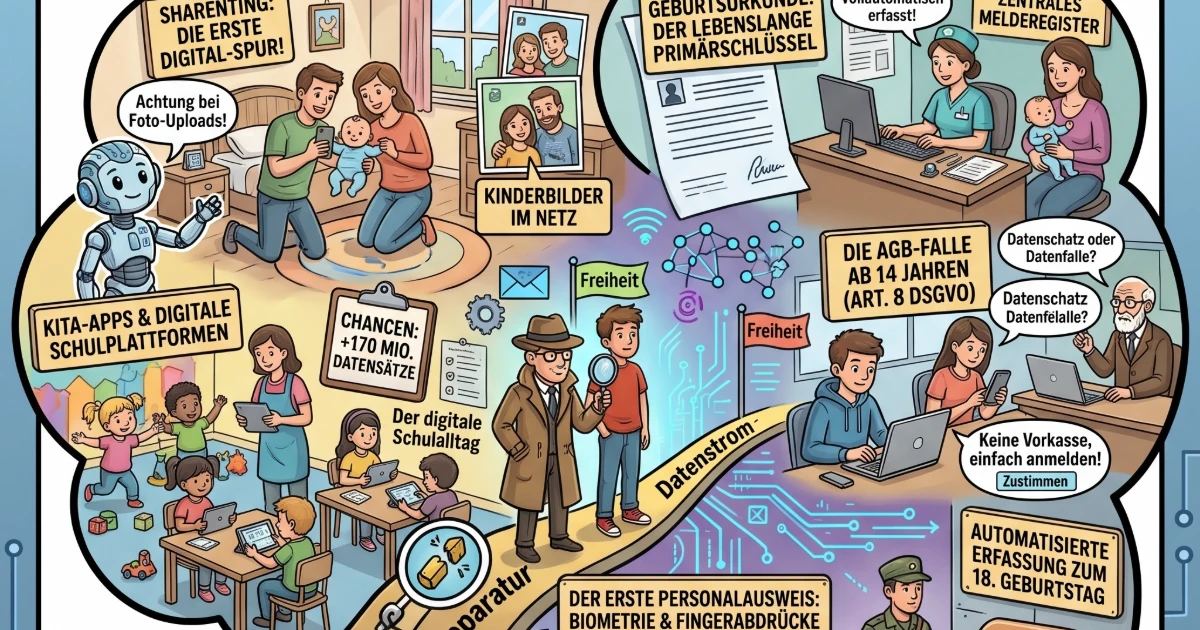 HörbuchAudiobookDer gläserne Mensch - Aza und Avatar - Die Bytes Detektive
 HörbuchAudiobookDas verlorene Bit der Berufung _ Teil-2
GeldMoney


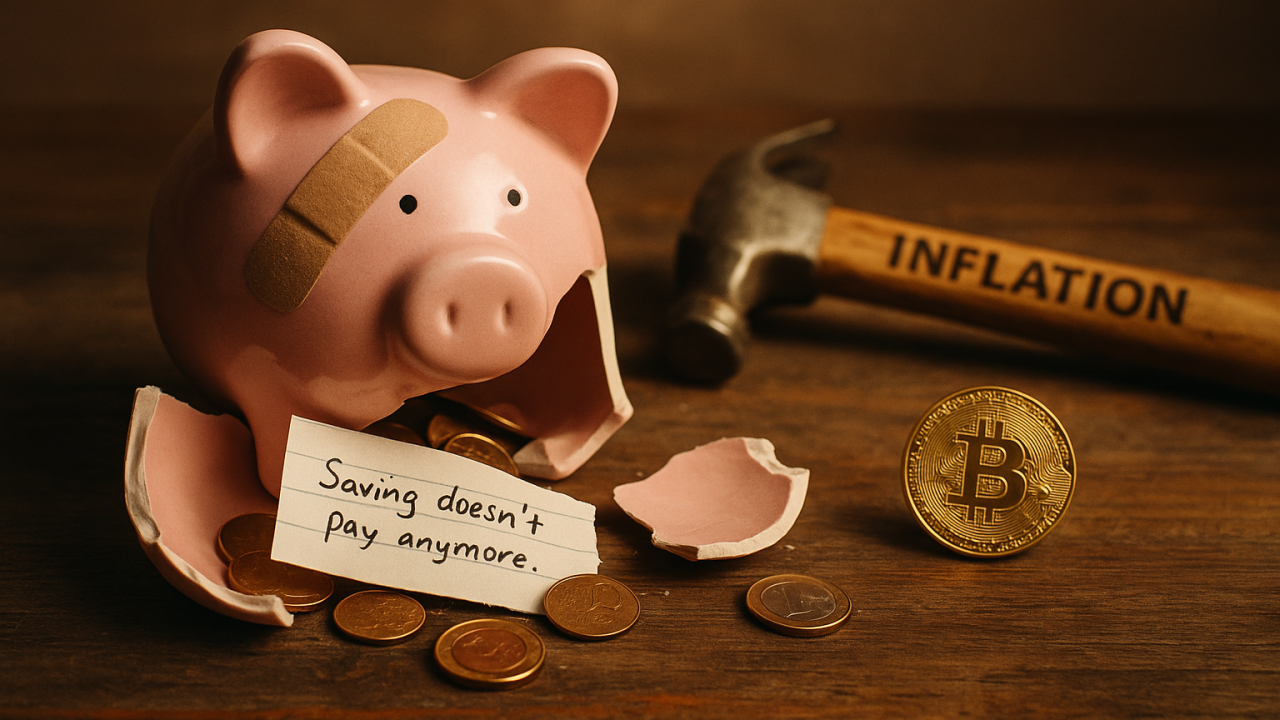
What Bitcoin Taught Me About Patience, Consumption, and True Independence
vor 15 Mon.15 mo ago8 Min.8 min
Neu zum HörenNew to listen
Alles in HörenAll in Listen#023 Deine SIM-Karte verrät dich!
breakfree
#022 Nur so sind deine Bitcoin wirklich privat
breakfree
#021 Dein Vermögen gehört nicht dir (mit einer einzigen Ausnahme)!
breakfree
#020 So bezahlst du, ohne Datenspuren zu hinterlassen
breakfree
#019 Dein Laptop spioniert dich nicht mehr aus, ist dafür aber schneller
breakfree
#018 So entkommst du der Spyware von Microsoft und Apple
breakfree
#017 Der Algorithmus kontrolliert dich!
breakfree
#016 Wie gefährlich sind Updates wirklich?
breakfree
#015 Ist dein soziales Umfeld dein größtes Datenleck?
breakfree
#014 Unsere Wohnungen sind voll mit Technik, aber nicht verwanzt
breakfree













MenschenPeople



PublikationenPublications
Alle ansehenView all


WirtschaftEconomics
Bitcoin Mining Economics in 2026: Who Actually Profits
vor 1 Woche1 w ago3 Min.3 min

Weiter durchs NetzwerkAcross the network
Noch mehr zu entdecken.Keep exploring.
6 Beiträge geladen.6 stories loaded.

Queue-Driven Archive Persistence in Continuum
Continuum’s archive system has now shifted from a simple “export current DB state” model to a queue-driven archival pipeline that preserves full event history over time. Events are queued as immutable raw snapshots, committed into Git-backed archive repositories, and later used to rebuild a global archive index independently from the live SQLite database. This architecture now supports durable version preservation, retry-safe archival processing, and long-term reconstruction of archive state entirely from committed history.

vor 5 Mon.5 mo ago6 Min.6 min

🔒 Building Continuum - Chapter 25 — Exit as Structural Right
Exit is often misunderstood as disloyalty or rebellion. In architectural terms, exit is the proof of voluntary participation. Systems that allow full data export, identity portability, and independent archival demonstrate confidence. Systems that complicate departure reveal dependency. This chapter explores exit as structural dignity — not hostility — and why portability must be embedded in design rather than promised in policy.
vor 8 Mon.8 mo ago1 Min.1 min
Renewal Is Not Reinvention — It’s Remembering
Modern culture equates renewal with reinvention: new brands, new narratives, new selves. This essay argues that true renewal works in the opposite direction. Renewal is not about becoming someone else, but about remembering what was already true—and rebuilding from that foundation. Continuity, memory, and preservation are not nostalgic impulses; they are acts of fidelity in a world addicted to novelty.
vor 9 Mon.9 mo ago3 Min.3 min
🔒 Why Durability Matters More Than Reach
Reach dominates modern publishing metrics, but durability determines whether work truly survives. This essay argues that builders and writers pursuing sovereignty must prioritize coherence, ownership, and memory over visibility—and why durable work ultimately travels further, even if more slowly.
vor 9 Mon.9 mo ago1 Min.1 min
🔒 Owning the Timeline: Why My Archive Matters More Than My Audience
Audiences fluctuate. Platforms decay. Timelines endure. This essay explains why a complete, verifiable personal archive is more valuable than any follower count—and why future-you is the most important reader you will ever have.
vor 9 Mon.9 mo ago1 Min.1 min
🔒 You Can Rebuild Everything From Public Memory — That Changes the Game
What happens when your entire publishing system can be erased—and rebuilt—from public memory alone? This essay explores why true durability is not about backups, platforms, or promises of permanence, but about regenerability. Rehydration changes the power dynamics of publishing, identity, and creative ownership in a way most people still don’t see.
vor 9 Mon.9 mo ago1 Min.1 min