
Heute auf DiscoverToday on Discover
Entdecke, was andere bewegt.Find what moves people.
Geschichten, Gespräche und Ideen aus dem offenen Netz.Stories, conversations and ideas from the open web.
 HörbuchAudiobookDas verlorene Bit der Berufung_Teil-1

 FolgeEpisode#024 Hol dir die Kontrolle über deine Dateien zurück mit deinem eigenen Home-Server

 ArtikelArticleIn Search of Freedom: Life, Death, and Sovereignty in the Himalaya

 HörbuchAudiobookDer gläserne Mensch - Aza und Avatar - Die Bytes Detektive
 HörbuchAudiobookDas verlorene Bit der Berufung _ Teil-2
GeldMoney



What Bitcoin Taught Me About Patience, Consumption, and True Independence
vor 15 Mon.15 mo ago8 Min.8 min
Neu zum HörenNew to listen
Alles in HörenAll in Listen#023 Deine SIM-Karte verrät dich!
breakfree
#022 Nur so sind deine Bitcoin wirklich privat
breakfree
#021 Dein Vermögen gehört nicht dir (mit einer einzigen Ausnahme)!
breakfree
#020 So bezahlst du, ohne Datenspuren zu hinterlassen
breakfree
#019 Dein Laptop spioniert dich nicht mehr aus, ist dafür aber schneller
breakfree
#018 So entkommst du der Spyware von Microsoft und Apple
breakfree
#017 Der Algorithmus kontrolliert dich!
breakfree
#016 Wie gefährlich sind Updates wirklich?
breakfree
#015 Ist dein soziales Umfeld dein größtes Datenleck?
breakfree
#014 Unsere Wohnungen sind voll mit Technik, aber nicht verwanzt
breakfree














MenschenPeople


PublikationenPublications
Alle ansehenView all


WirtschaftEconomics
Bitcoin Mining Economics in 2026: Who Actually Profits
vor 1 Woche1 w ago3 Min.3 min

Weiter durchs NetzwerkAcross the network
Noch mehr zu entdecken.Keep exploring.
6 Beiträge geladen.6 stories loaded.
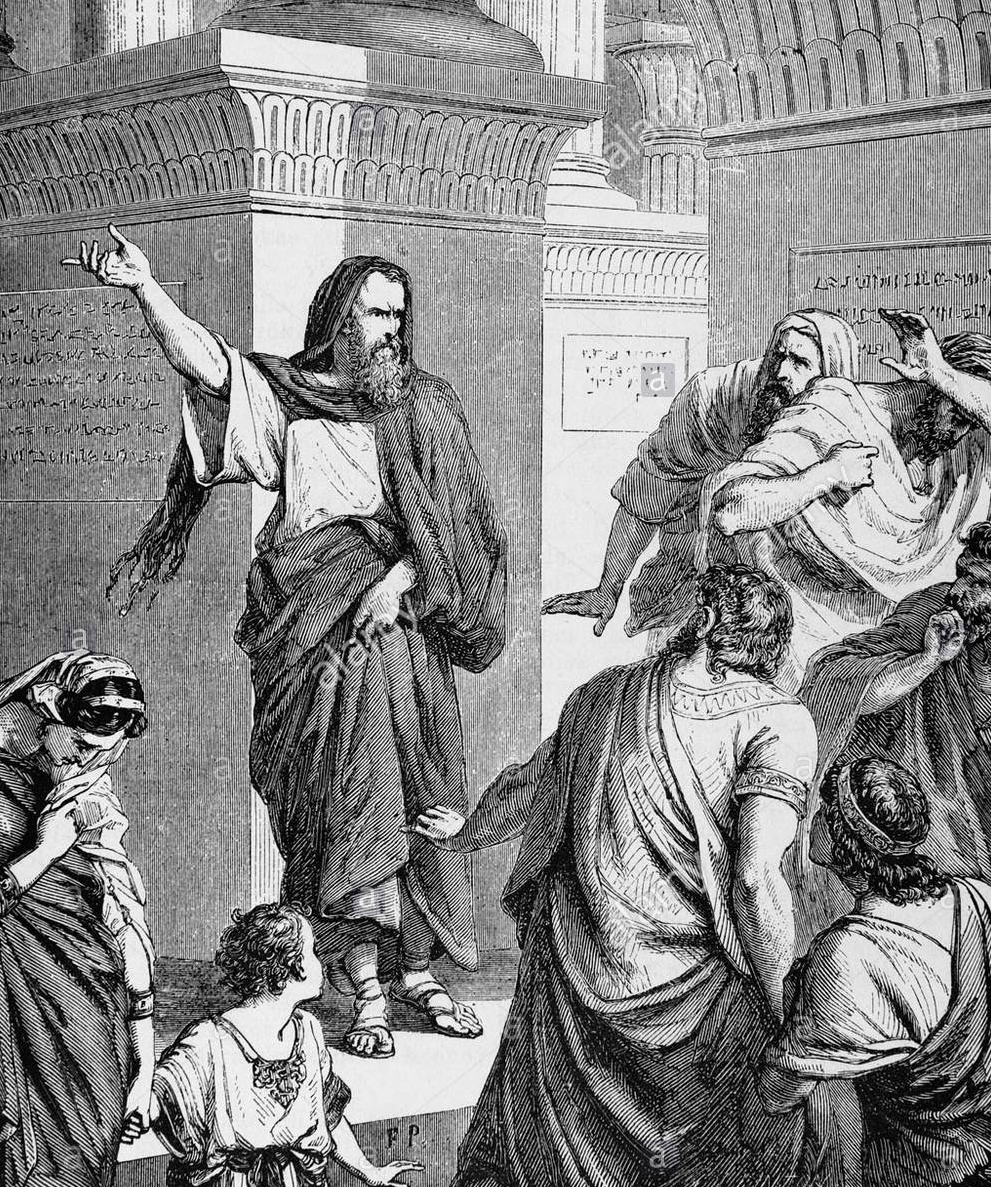
Jeremiah Chapter 26
Jeremiah 26 opens Part Two of the book by returning to about 609 BC and the Temple Sermon, now showing what that hard word cost the prophet who preached it. As Jeremiah is put on trial for speaking the Lord’s words, the chapter contrasts his rescue with Urijah’s death and points ahead to Jesus, who was handed over for our offenses. On All Saints’ Day, we consider the call to hear and turn, and the promise that there is no condemnation for those in Christ.

vor 3 Tagen3 d ago1 Min.1 min
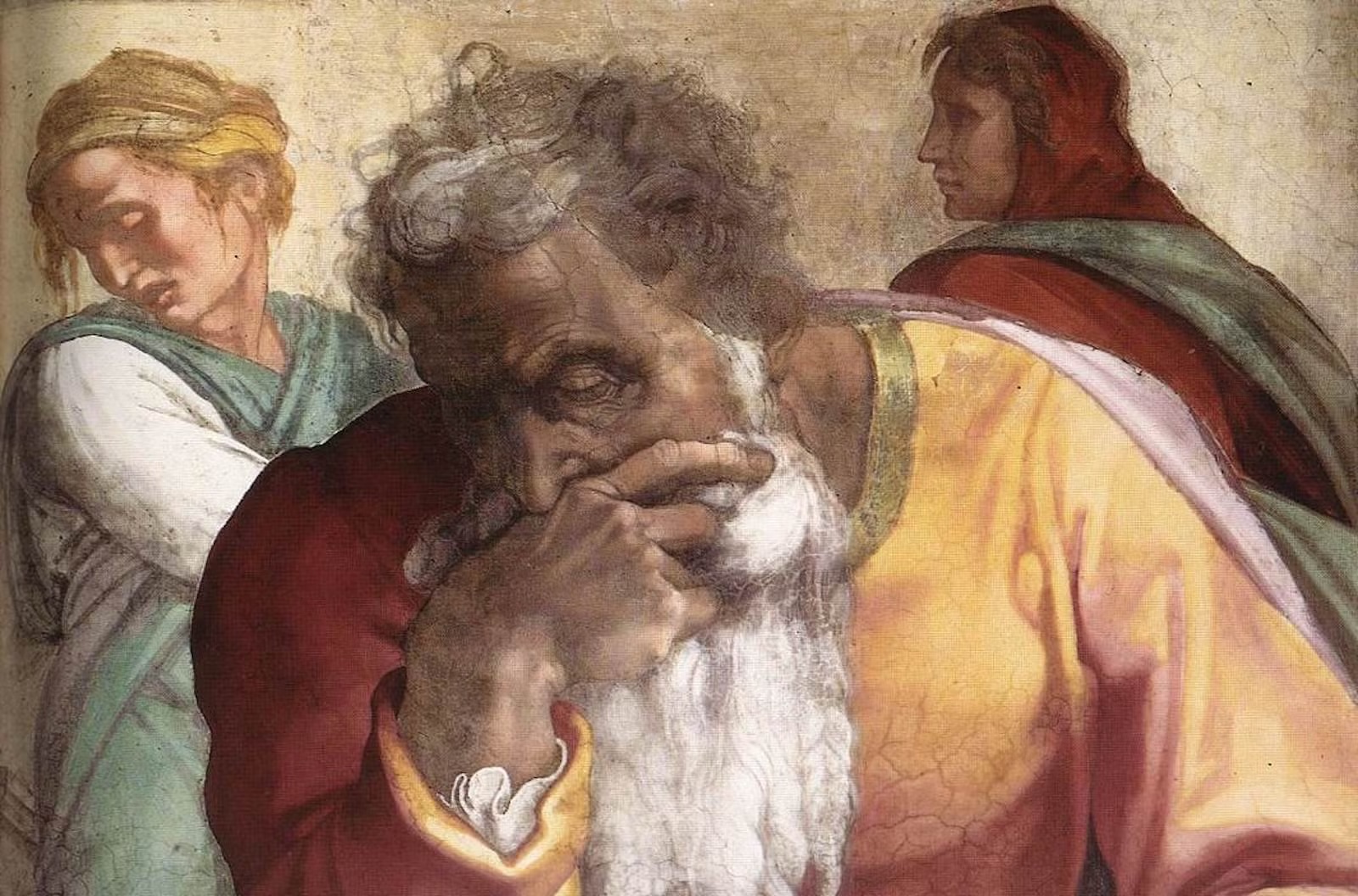
Jeremiah Chapters 1–25 Review
We review Jeremiah 1–25 by returning to the prophet’s call: God put His words in Jeremiah’s mouth and sent him to speak them. From Jeremiah we follow the promise of the Prophet like Moses to Jesus, who drank the cup of wrath His prophet could only carry. We also consider what it means to hear Christ today through the men He sends to preach His Word.
vor 1 Woche1 w ago1 Min.1 min

Jeremiah Chapter 25
Jeremiah 25 reads like a list of verdicts on nations nobody can find on a map. The easy reading is that God is settling accounts with Judah's enemies. That is half right. The cup begins in Jerusalem, and God puts it in Jeremiah's own hand: "Take this wine cup of fury from My hand" (v. 15). Every nation drinks, God's own city first, and the chapter points ahead to the One who drank it in their place.
vor 2 Wochen2 w ago1 Min.1 min
Jeremiah Chapter 24
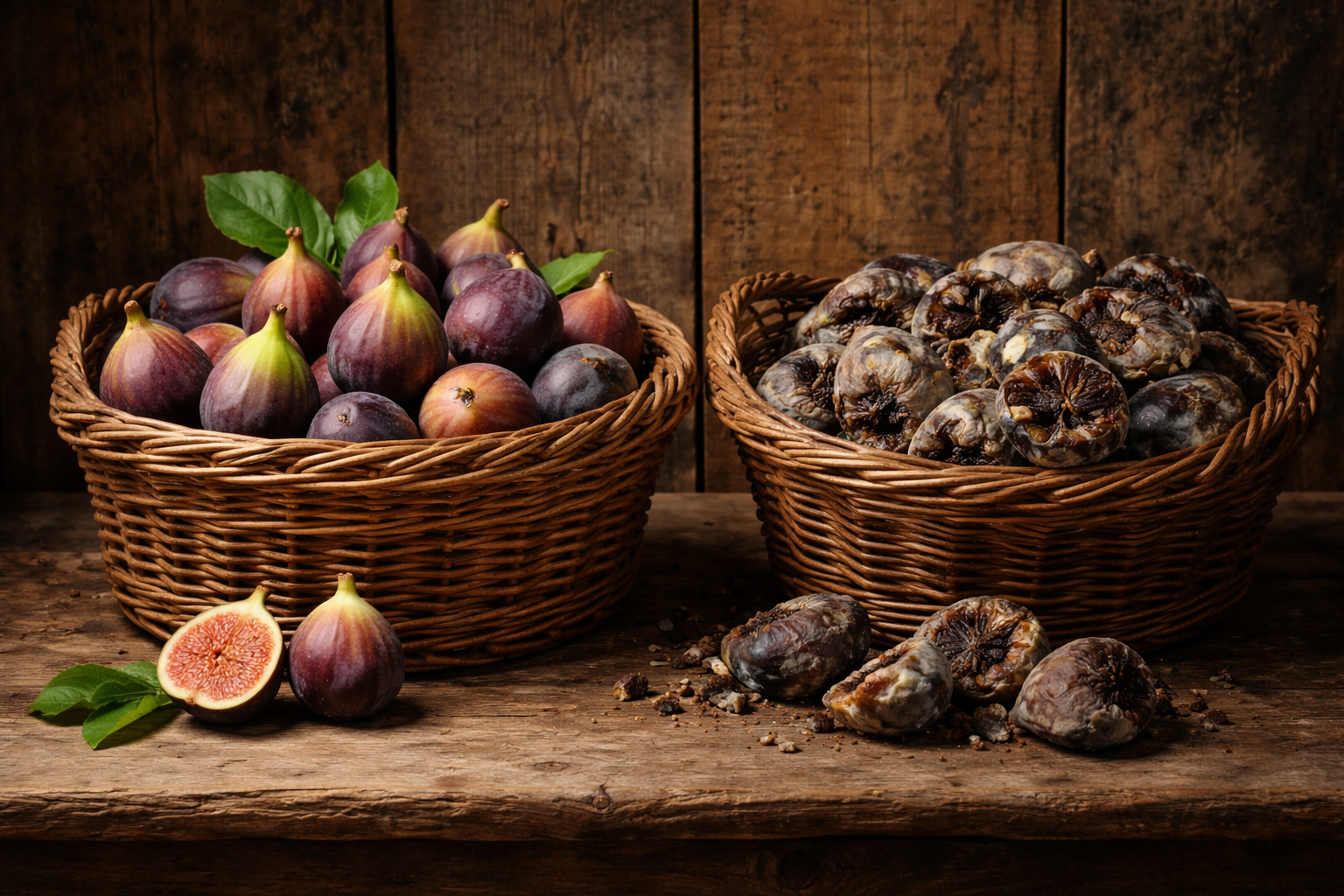
Two baskets of figs sit in front of the temple, one good and one so rotten it can't be eaten. The easy reading is that God keeps the good people and throws out the bad, so be a good fig. That is half right. It misses who lands in which basket, and who does the work. The good figs are the exiles Jerusalem wrote off, and every verb in verses 5 to 7 has God as its subject: "I will give them a heart to know Me."
vor 3 Wochen3 w ago1 Min.1 min

Jeremiah Chapter 23
This week the chapter Advent made famous. God turns on the shepherds who scattered His sheep and promises to raise up for David a Righteous Branch, a King who will execute judgment and righteousness in the earth (Jer. 23:5), the very thing chapter 22 demanded and no king did. Then God names Him. Judah's last king was Zedekiah, whose name means "My righteousness is the LORD." He wore the name and lived nothing like it. God gives the true King that name turned around: THE LORD OUR RIGHTEOUSNESS (Jer. 23:6). The rest of the chapter goes after the prophets who preached peace out of their own dreams, and God answers them with His word: Is not My word like a fire? says the LORD, and like a hammer that breaks the rock in pieces? (Jer. 23:29). The hammer comes first. Then the name.
vor 1 Mon.1 mo ago1 Min.1 min
Jeremiah Chapters 21-22
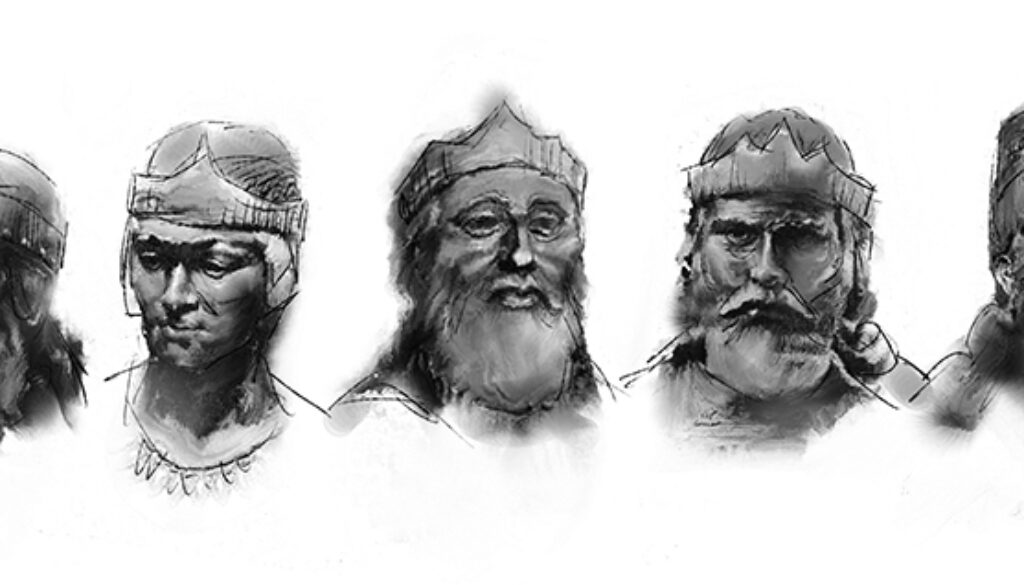
This week Jeremiah is sent to the palace. Zedekiah asks him for a miracle while Babylon is at the wall and gets the answer nobody wanted — I Myself will fight against you (Jer. 21:5). Then chapter 22 walks back through the four kings Jeremiah outlived and measures every one of them against a sentence spoken twice to the house of David: execute judgment and righteousness. In the middle of the worst of them God stops and points at the good one: Josiah judged the cause of the poor and needy; then it was well — and then the line this session hangs on, Was not this knowing Me? (Jer. 22:16). It ends where nobody wants it to. God swears that if Coniah were the signet ring on His own right hand He would tear it off, and tells the scribes to write this man down as childless (Jer. 22:30) — and Matthew's family tree of Jesus runs straight through that man.
vor 1 Mon.1 mo ago2 Min.2 min