
Heute auf DiscoverToday on Discover
Entdecke, was andere bewegt.Find what moves people.
Geschichten, Gespräche und Ideen aus dem offenen Netz.Stories, conversations and ideas from the open web.
 HörbuchAudiobookDas verlorene Bit der Berufung_Teil-1

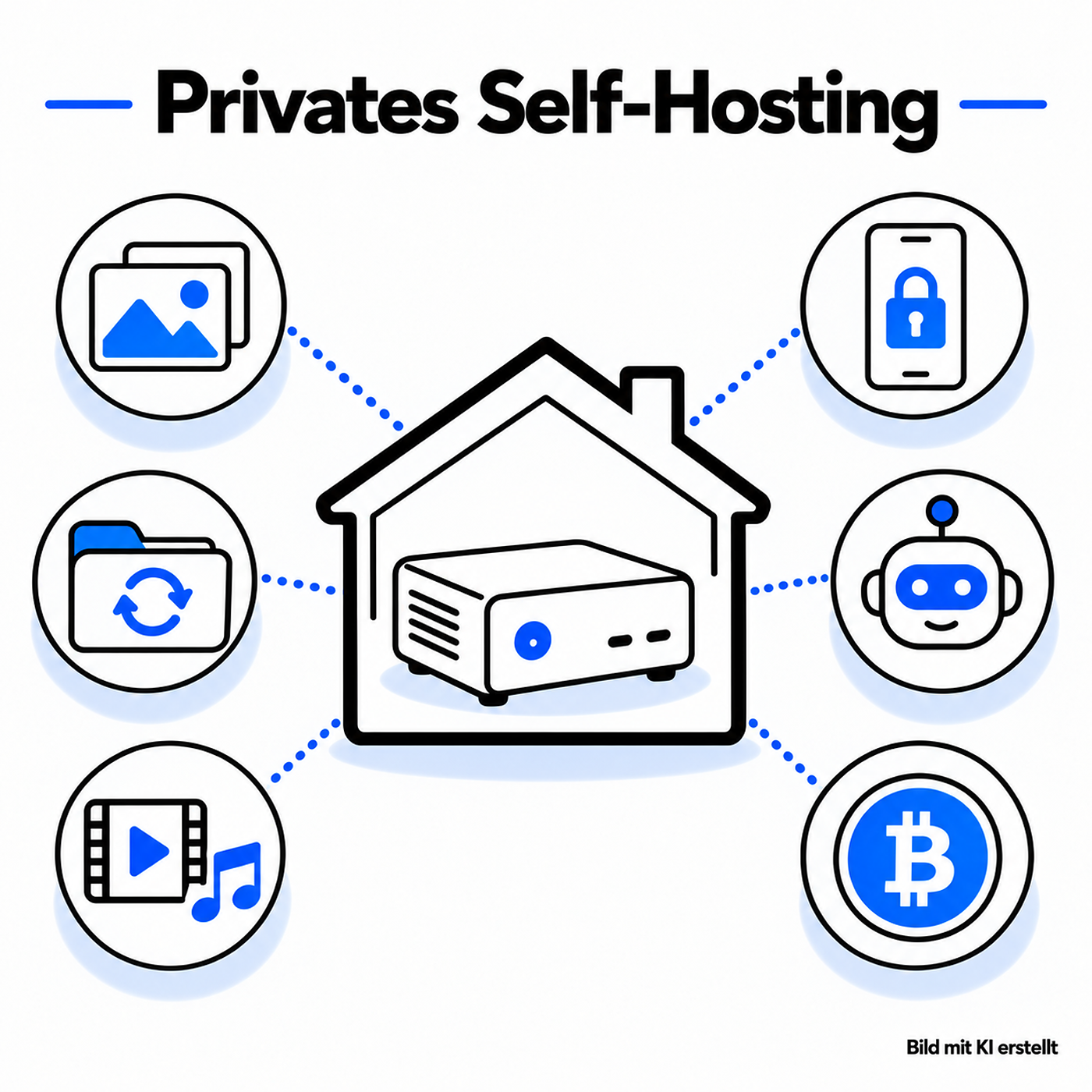 FolgeEpisode#024 Hol dir die Kontrolle über deine Dateien zurück mit deinem eigenen Home-Server

 ArtikelArticleIn Search of Freedom: Life, Death, and Sovereignty in the Himalaya

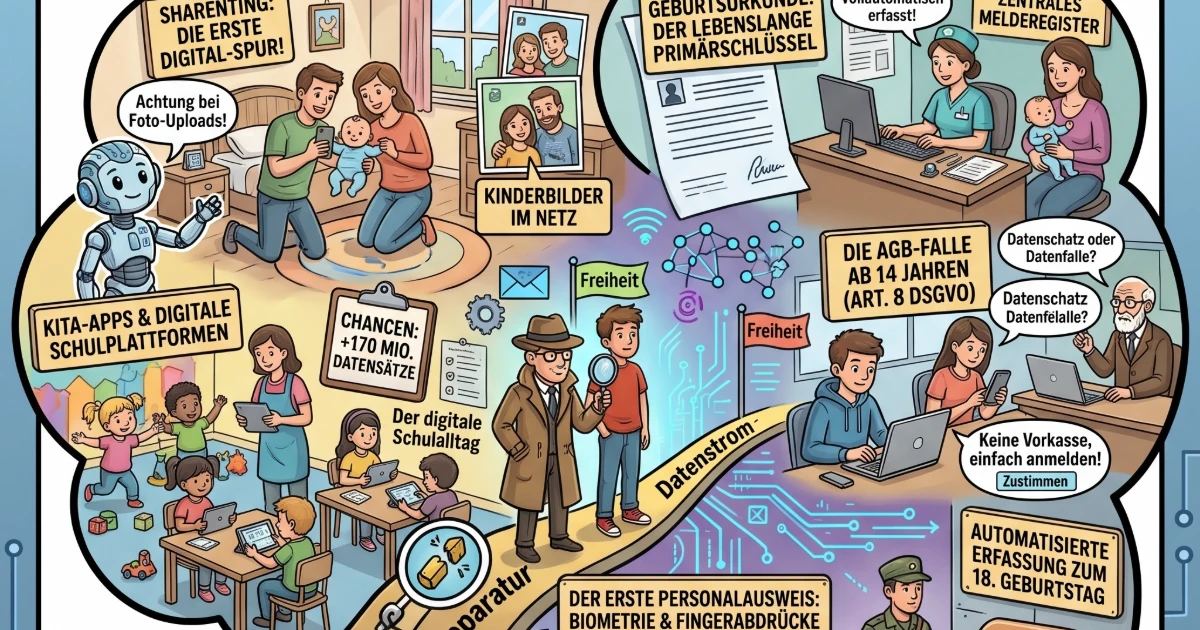 HörbuchAudiobookDer gläserne Mensch - Aza und Avatar - Die Bytes Detektive
 HörbuchAudiobookDas verlorene Bit der Berufung _ Teil-2
GeldMoney



What Bitcoin Taught Me About Patience, Consumption, and True Independence
vor 15 Mon.15 mo ago8 Min.8 min
Neu zum HörenNew to listen
Alles in HörenAll in Listen#023 Deine SIM-Karte verrät dich!
breakfree
#022 Nur so sind deine Bitcoin wirklich privat
breakfree
#021 Dein Vermögen gehört nicht dir (mit einer einzigen Ausnahme)!
breakfree
#020 So bezahlst du, ohne Datenspuren zu hinterlassen
breakfree
#019 Dein Laptop spioniert dich nicht mehr aus, ist dafür aber schneller
breakfree
#018 So entkommst du der Spyware von Microsoft und Apple
breakfree
#017 Der Algorithmus kontrolliert dich!
breakfree
#016 Wie gefährlich sind Updates wirklich?
breakfree
#015 Ist dein soziales Umfeld dein größtes Datenleck?
breakfree
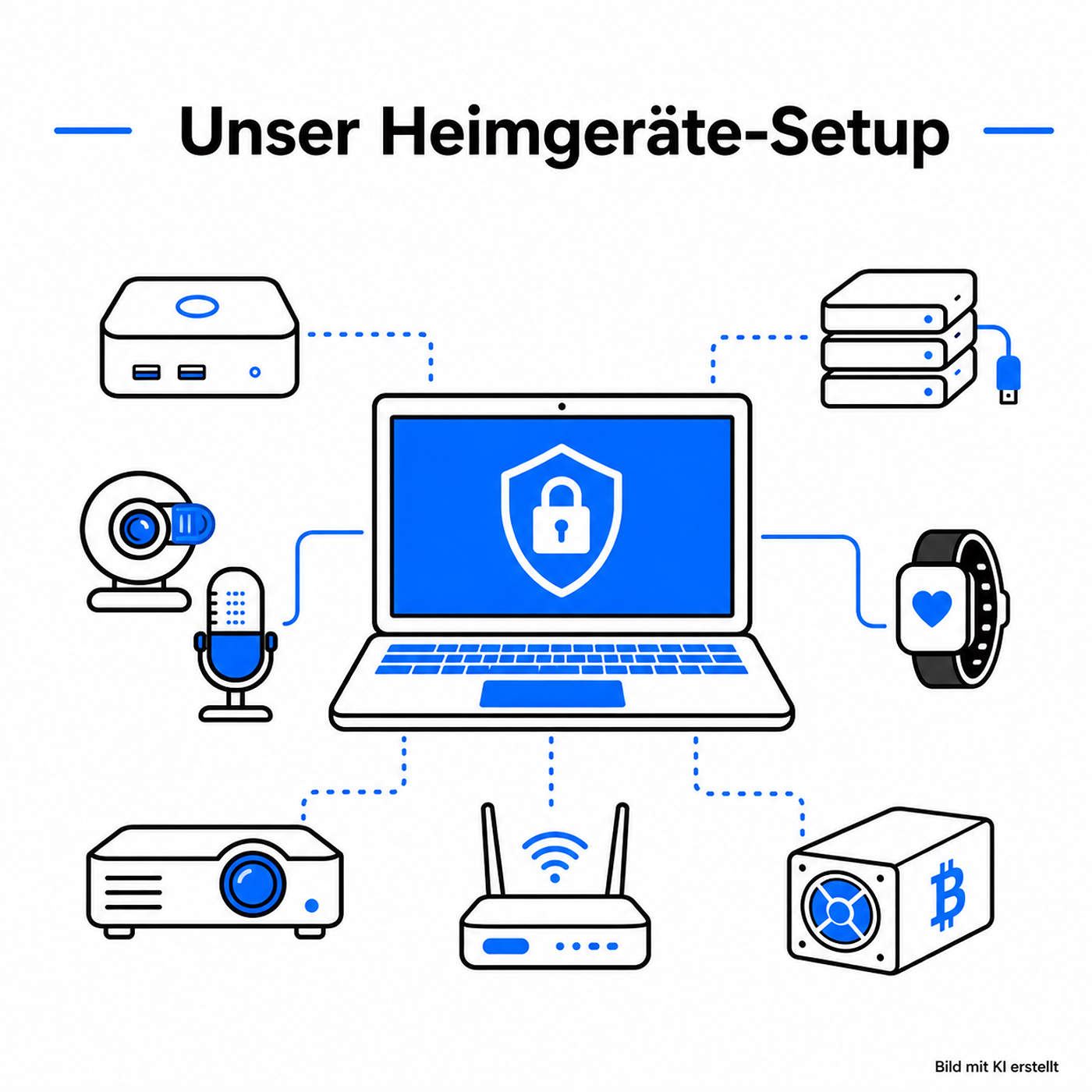
#014 Unsere Wohnungen sind voll mit Technik, aber nicht verwanzt
breakfree











MenschenPeople



PublikationenPublications
Alle ansehenView all


WirtschaftEconomics
Bitcoin Mining Economics in 2026: Who Actually Profits
vor 1 Woche1 w ago3 Min.3 min

Weiter durchs NetzwerkAcross the network
Noch mehr zu entdecken.Keep exploring.
5 Beiträge geladen.5 stories loaded.

Can the current economic and political system be changed from within?
This article explores whether the current economic and political system can truly be reformed from within, arguing that structural incentives tied to debt-based money make deep change nearly impossible. Drawing on Jeff Booth’s thesis that technology naturally drives abundance while the monetary system requires expansion, it highlights the growing tension between exponential productivity and financial instability. From both a professional consulting perspective and a Bitcoiner viewpoint, the conclusion is that meaningful transformation rarely happens inside broken systems. Instead, real change comes from building parallel alternatives, steadily, responsibly, and brick by brick.

vor 8 Mon.8 mo ago7 Min.7 min

Cycles, Crises, and Sovereign Resilience
This piece examines the convergence of generational, debt, and ownership cycles and argues that systemic resets are recurring features of history, not anomalies. Independent frameworks from generational theory, long-term debt analysis, and ownership structure all point to the same conclusion: prolonged debt expansion, rising inequality, and eroding trust eventually force structural change. Today, these cycles are aligning, suggesting that traditional policy tools are losing effectiveness and that a broad institutional reset is already underway or imminent. The implication is practical rather than predictive. Periods of crisis expose hidden risks in leverage, intermediaries, and custodial ownership, while directly held assets and skills prove more resilient. Preparation, therefore, is not about fear or timing markets, but about reducing dependency on fragile systems and building sovereignty incrementally. In this view, resilience becomes a form of responsibility, positioning individuals and families to navigate systemic change deliberately, brick by brick.
vor 9 Mon.9 mo ago6 Min.6 min

Brick by Brick - My Sovereign Bitcoin Journey
Brick by Brick: Building a Sovereign Life on Bitcoin brings together nine real-world stories of individuals who turned conviction into action, from finance professionals and educators to artists, parents, and community builders. Each story demonstrates how Bitcoin is more than technology; it’s a catalyst for health, freedom, and truth. Contributors such as Bram Kanstein, Robin Seyr, Carlo (Isolabellart), Michael Hebenstreit, Stanley Okoye, Thomas Jeegers, Joyce Dawn, Jurjen de Vries, and a grandmother from Germany show how sovereignty can be lived, through education, creation, entrepreneurship, and local adoption. Their journeys, diverse yet aligned by purpose, reveal that the Bitcoin standard is already here, quietly being built person by person, brick by brick.
vor 12 Mon.12 mo ago7 Min.7 min

Digital Euro or Digital Cage? How CBDCs Threaten Freedom, Democracy, and the Future of Banking
The European Central Bank is pushing ahead with the digital euro. Politicians and officials describe it as efficient, modern, and inclusive. But behind the glossy language lies a project that could reshape not just money, but freedom itself.
vor 13 Mon.13 mo ago6 Min.6 min

Cognitive Debt: The Hidden Cost of Using AI to Think for Us
This article explores how heavy reliance on AI tools like ChatGPT may reshape human thinking. A recent MIT study with 54 participants found that AI-assisted writing lowered brain connectivity, reduced recall, weakened ownership of ideas, and produced more homogeneous language. The researchers call this effect “cognitive debt”, a buildup of mental costs from outsourcing too much thinking to machines. While AI delivers real benefits in transformation projects and productivity, overuse risks eroding critical human skills such as memory, authentic communication, and conflict resolution. Drawing on Simon Sinek’s warning that “AI is a great boat—but you still need to learn to swim,” the article argues for mindful, sovereign use of AI. Recommendations include balancing AI and non-AI work, reading deeply, engaging in real debates, and even hosting personal AI systems to retain control. The core message: embrace AI’s power, but don’t abandon the human “muscles” that make us resilient, authentic, and independent.
vor 13 Mon.13 mo ago7 Min.7 min