
Heute auf DiscoverToday on Discover
Entdecke, was andere bewegt.Find what moves people.
Geschichten, Gespräche und Ideen aus dem offenen Netz.Stories, conversations and ideas from the open web.
 HörbuchAudiobookDas verlorene Bit der Berufung_Teil-1

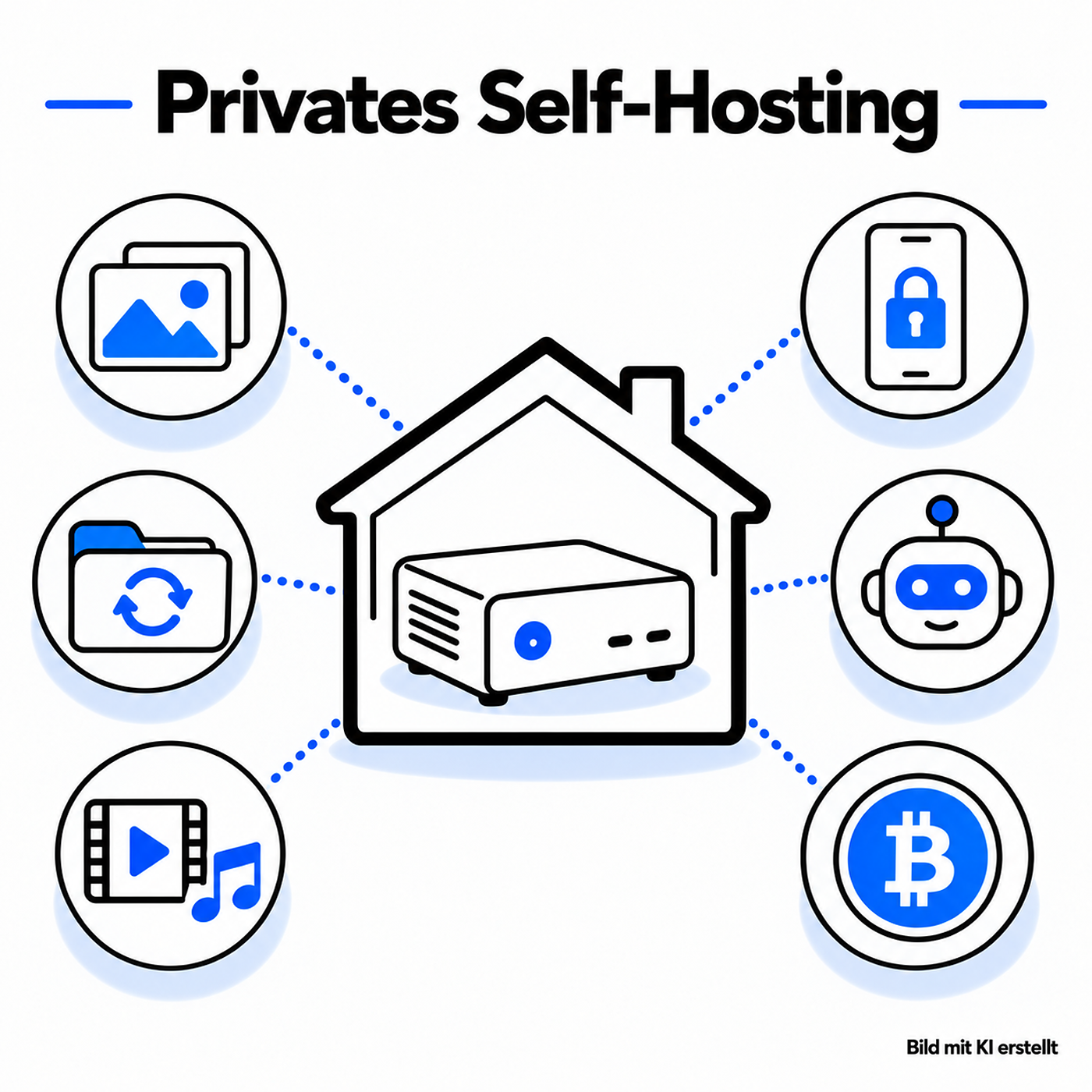 FolgeEpisode#024 Hol dir die Kontrolle über deine Dateien zurück mit deinem eigenen Home-Server

 ArtikelArticleIn Search of Freedom: Life, Death, and Sovereignty in the Himalaya

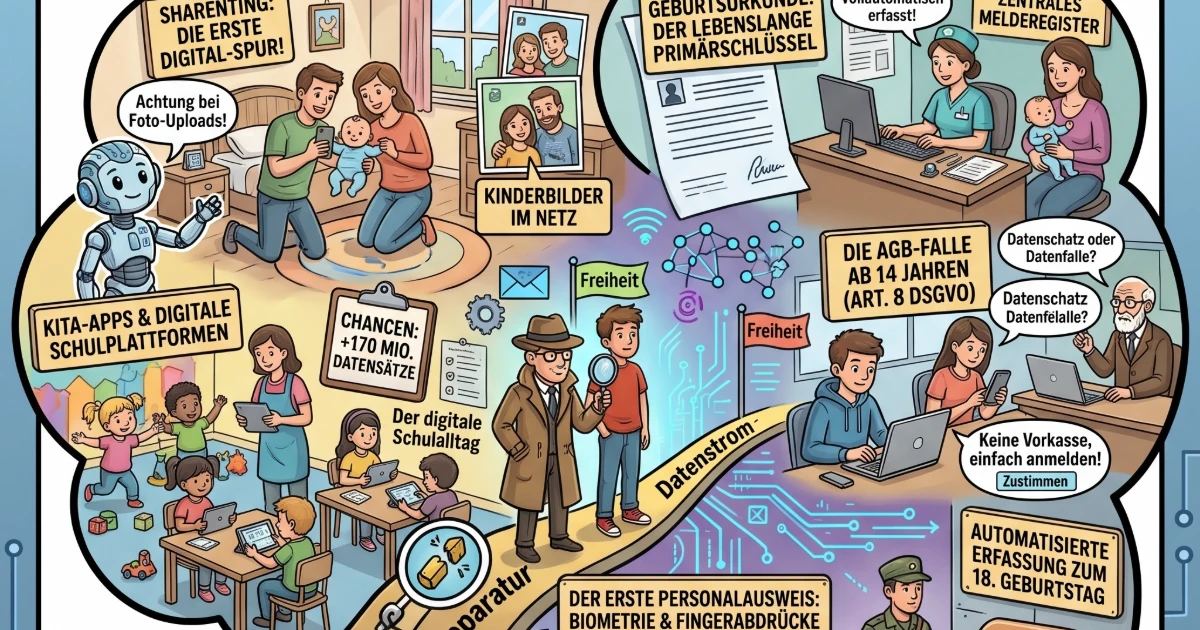 HörbuchAudiobookDer gläserne Mensch - Aza und Avatar - Die Bytes Detektive
 HörbuchAudiobookDas verlorene Bit der Berufung _ Teil-2
GeldMoney



What Bitcoin Taught Me About Patience, Consumption, and True Independence
vor 15 Mon.15 mo ago8 Min.8 min
Neu zum HörenNew to listen
Alles in HörenAll in Listen#023 Deine SIM-Karte verrät dich!
breakfree
#022 Nur so sind deine Bitcoin wirklich privat
breakfree
#021 Dein Vermögen gehört nicht dir (mit einer einzigen Ausnahme)!
breakfree
#020 So bezahlst du, ohne Datenspuren zu hinterlassen
breakfree
#019 Dein Laptop spioniert dich nicht mehr aus, ist dafür aber schneller
breakfree
#018 So entkommst du der Spyware von Microsoft und Apple
breakfree
#017 Der Algorithmus kontrolliert dich!
breakfree
#016 Wie gefährlich sind Updates wirklich?
breakfree
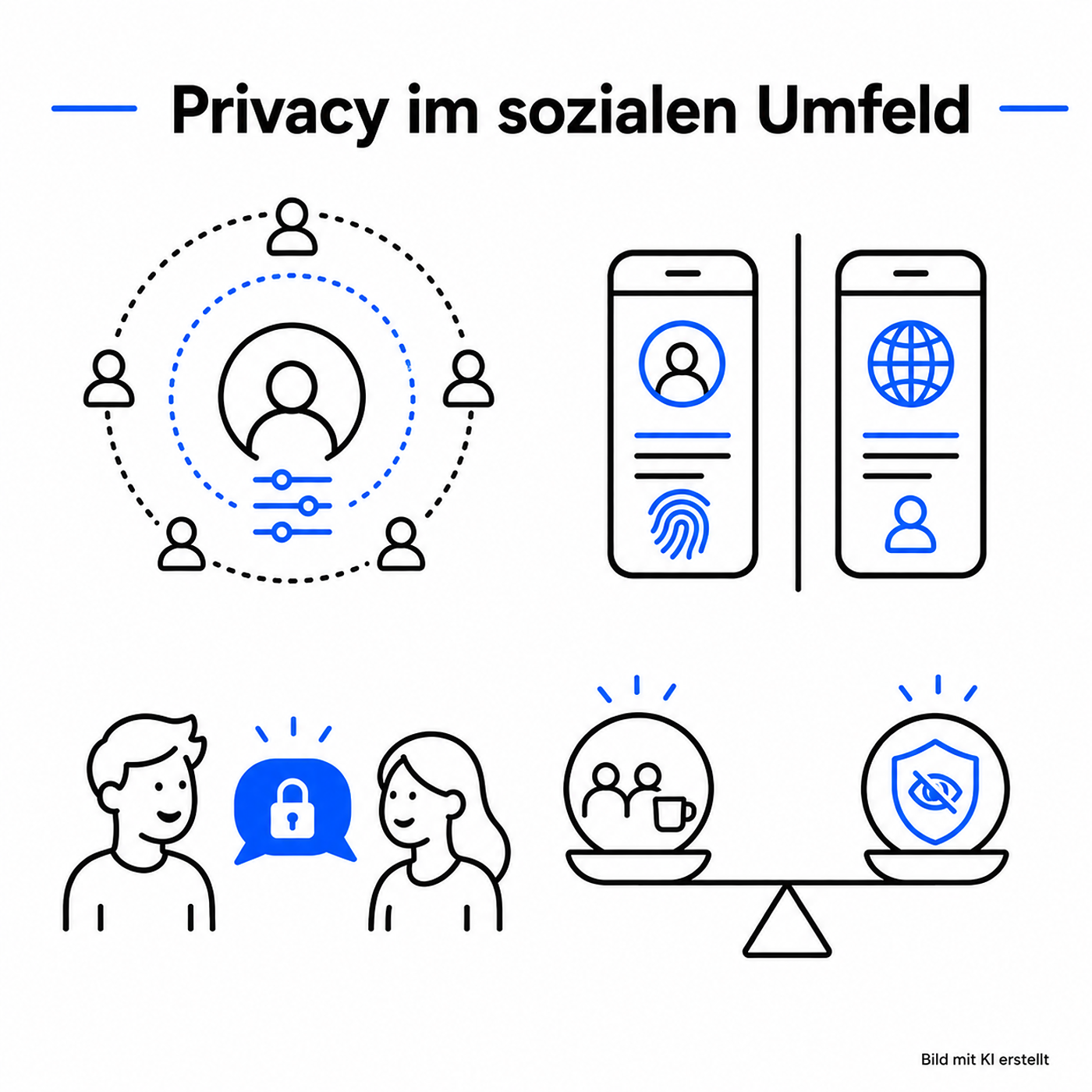
#015 Ist dein soziales Umfeld dein größtes Datenleck?
breakfree
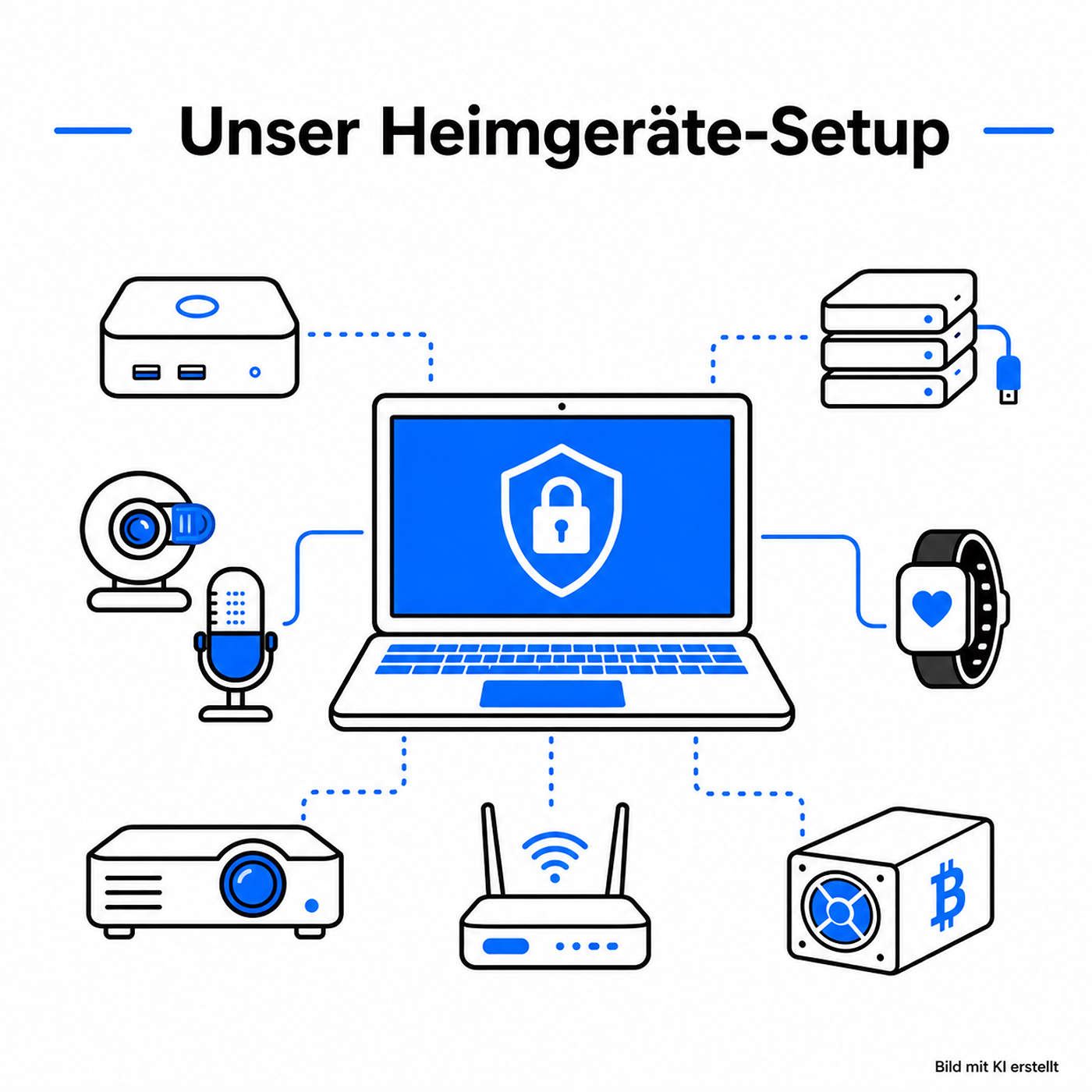
#014 Unsere Wohnungen sind voll mit Technik, aber nicht verwanzt
breakfree










MenschenPeople



PublikationenPublications
Alle ansehenView all


WirtschaftEconomics
Bitcoin Mining Economics in 2026: Who Actually Profits
vor 1 Woche1 w ago3 Min.3 min

Weiter durchs NetzwerkAcross the network
Noch mehr zu entdecken.Keep exploring.
6 Beiträge geladen.6 stories loaded.

Serfs of The Ledger
Every civilization is built on a ledger, a shared record of who owns what, who's owed what, who did the work. For centuries, that ledger has answered to the state first and the individual second, and every empire built on it has eventually turned the ledger against its own people. You cannot build something meant to outlast you on a foundation someone else can erase by decree. Bitcoin isn't just an alternative asset, it's the first ledger in history designed to answer to no one but its holder.

vor 2 Mon.2 mo ago11 Min.11 min
The Algorithm and the Wave: Why Nostr Separates What Life Holds Together

vor 9 Mon.9 mo ago9 Min.9 min

The Hidden War on the Family: Why Peaceful Parenting Needs Sound Money
The collapse of the modern family isn't cultural—it's monetary: fiat money punishes the long-term thinking required to raise children (inflation destroys savings, forces both parents to work, and outsources kids to state institutions), creates generational trauma through financial stress and absent parenting, and even bankrupts families nutritionally by pricing them out of real food while gaslighting them into eating industrial sludge. This article explains how Bitcoin restores the economic foundations families need—enabling single-income households again as purchasing power increases in sats, rewarding low time preference behavior that makes peaceful parenting possible, and giving families the sovereignty to opt out of the state-dependent fiat trap where children are raised by strangers instead of their actual parents.

vor 9 Mon.9 mo ago12 Min.12 min
🔐 The Most Conservative System Wins
Bitcoin’s conservatism is often framed as weakness in a world obsessed with disruption. In reality, conservative systems dominate at the civilizational layer because they preserve trust, memory, and coordination over time. Bitcoin’s restraint is not accidental—it is what makes it uniquely capable of supporting innovation, freedom, and sovereignty across generations.

vor 10 Mon.10 mo ago1 Min.1 min
🔐 The Innovation Paradox: Why Bitcoin Advances by Refusing to Change
Bitcoin is often criticized for moving slowly while alternative blockchains experiment aggressively. This critique misunderstands the nature of innovation at the civilizational layer. Bitcoin is more innovative precisely because it constrains change. By enforcing hard rules rather than chasing features, Bitcoin enables durable, permissionless innovation on top of a stable foundation—something no constantly mutating system can achieve.
vor 10 Mon.10 mo ago1 Min.1 min
🔐 Bitcoin as a Coordination Layer, Not a Technology Trend
Bitcoin is often framed as a technology competing with other technologies. This framing misses its true significance. Bitcoin is not a product, a platform, or a trend—it is a coordination layer. By providing a shared, incorruptible reference point for value, time, and trust, Bitcoin enables large-scale human cooperation without centralized authority. That shift is civilizational, not technological.
vor 10 Mon.10 mo ago1 Min.1 min