
Heute auf DiscoverToday on Discover
Entdecke, was andere bewegt.Find what moves people.
Geschichten, Gespräche und Ideen aus dem offenen Netz.Stories, conversations and ideas from the open web.
 HörbuchAudiobookDas verlorene Bit der Berufung_Teil-1

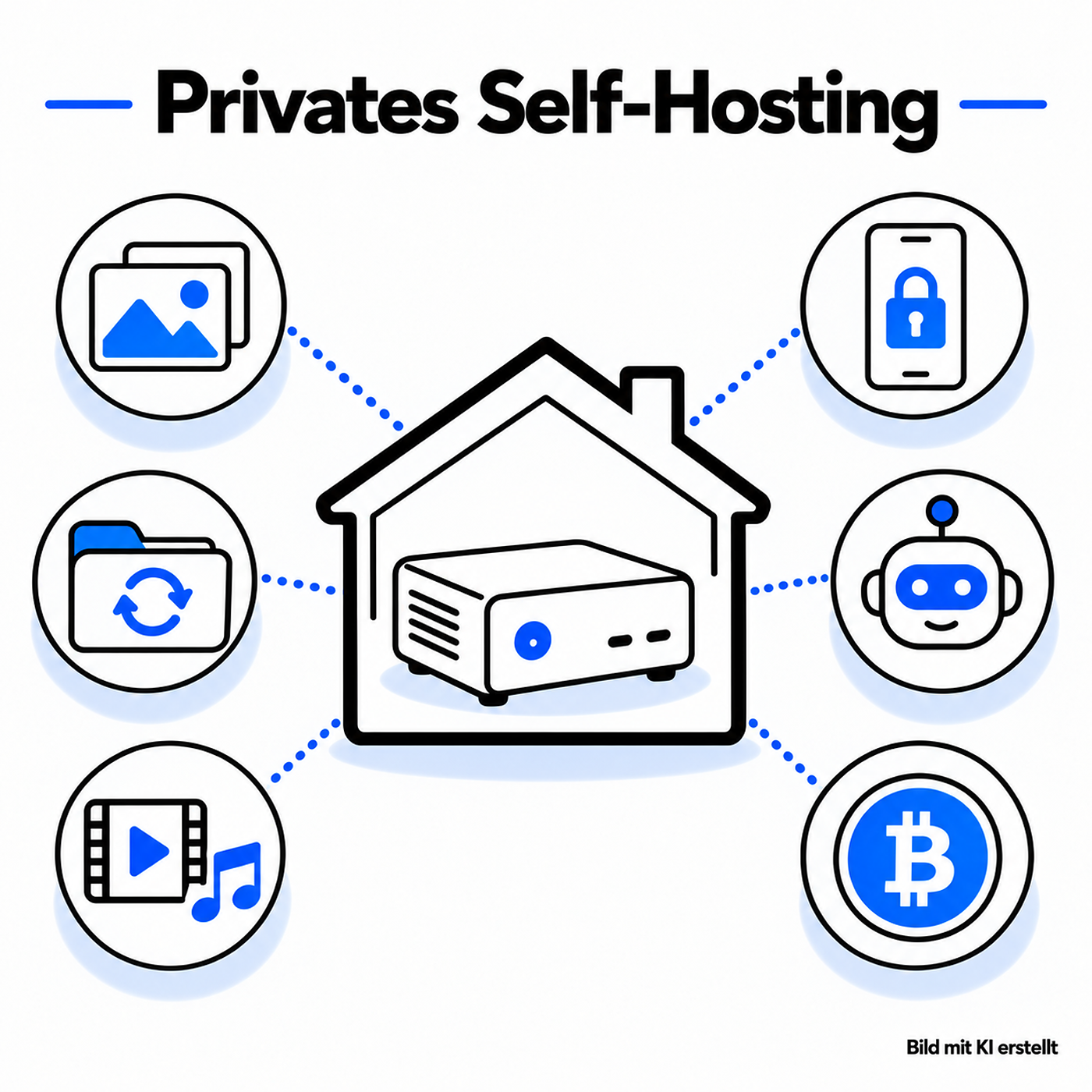 FolgeEpisode#024 Hol dir die Kontrolle über deine Dateien zurück mit deinem eigenen Home-Server

 ArtikelArticleIn Search of Freedom: Life, Death, and Sovereignty in the Himalaya

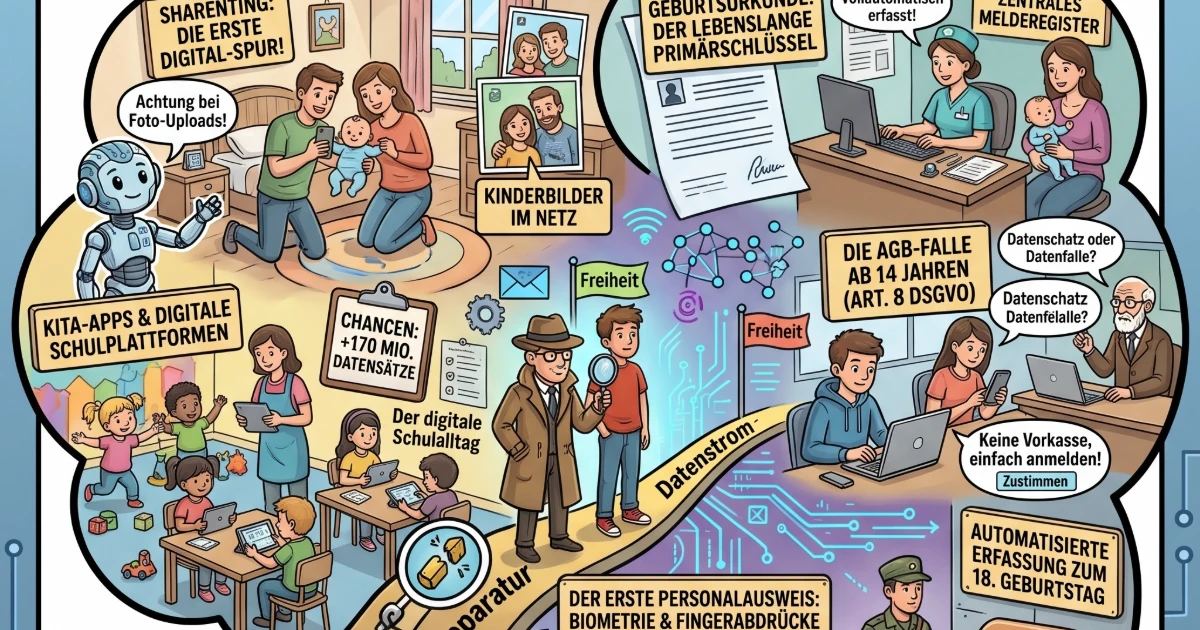 HörbuchAudiobookDer gläserne Mensch - Aza und Avatar - Die Bytes Detektive
 HörbuchAudiobookDas verlorene Bit der Berufung _ Teil-2
GeldMoney



What Bitcoin Taught Me About Patience, Consumption, and True Independence
vor 15 Mon.15 mo ago8 Min.8 min
Neu zum HörenNew to listen
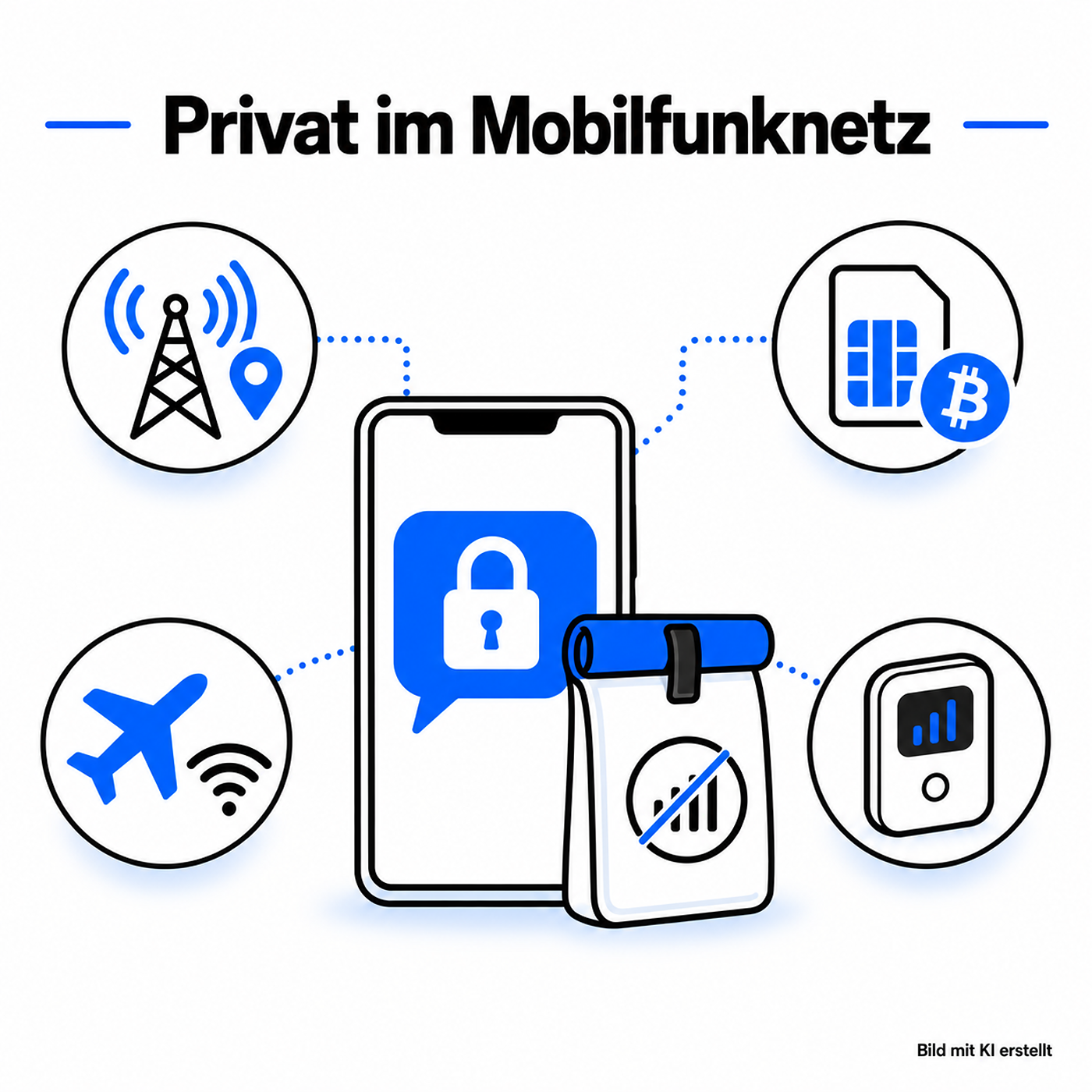
Alles in HörenAll in Listen#023 Deine SIM-Karte verrät dich!
breakfree
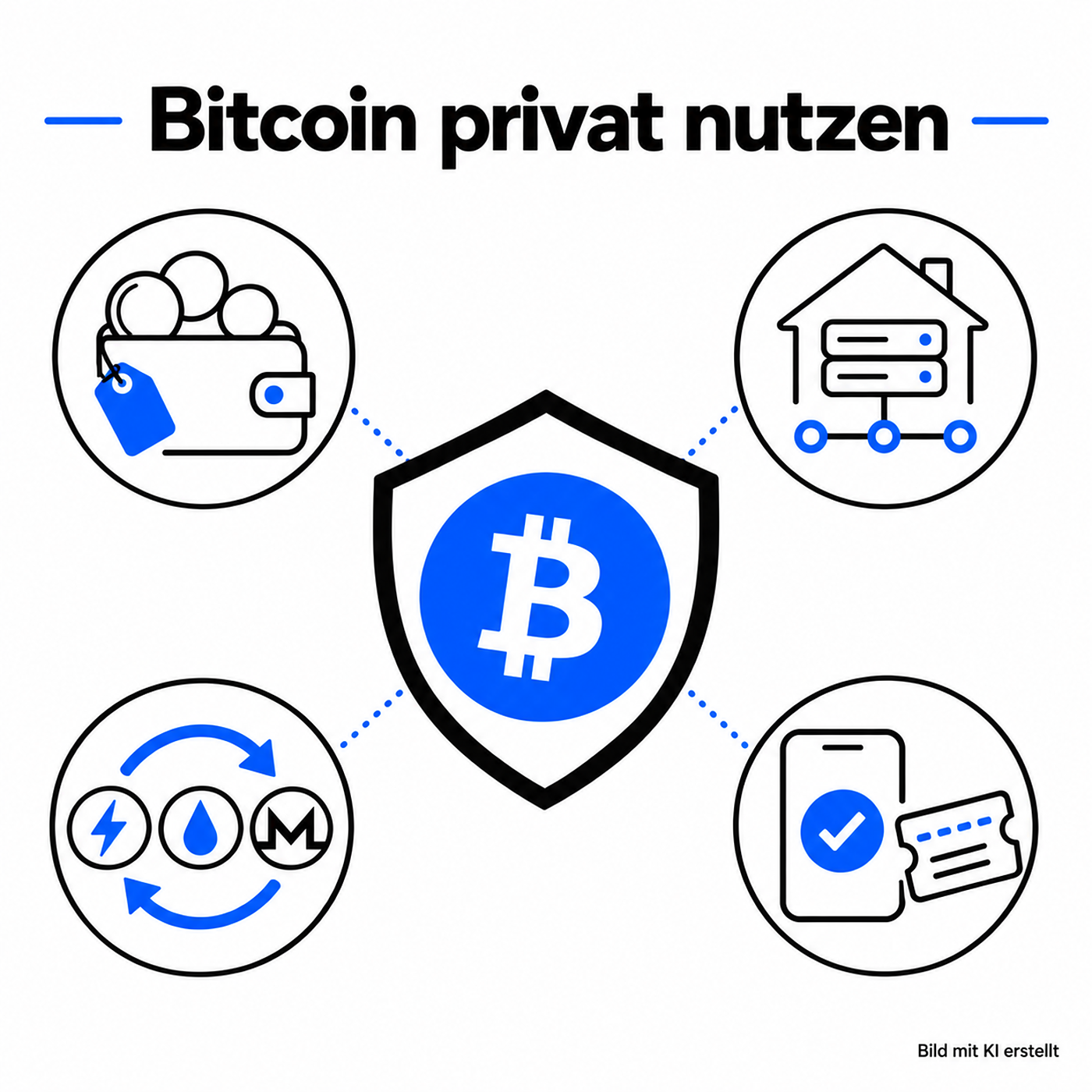
#022 Nur so sind deine Bitcoin wirklich privat
breakfree
#021 Dein Vermögen gehört nicht dir (mit einer einzigen Ausnahme)!
breakfree
#020 So bezahlst du, ohne Datenspuren zu hinterlassen
breakfree
#019 Dein Laptop spioniert dich nicht mehr aus, ist dafür aber schneller
breakfree
#018 So entkommst du der Spyware von Microsoft und Apple
breakfree
#017 Der Algorithmus kontrolliert dich!
breakfree
#016 Wie gefährlich sind Updates wirklich?
breakfree
#015 Ist dein soziales Umfeld dein größtes Datenleck?
breakfree
#014 Unsere Wohnungen sind voll mit Technik, aber nicht verwanzt
breakfree

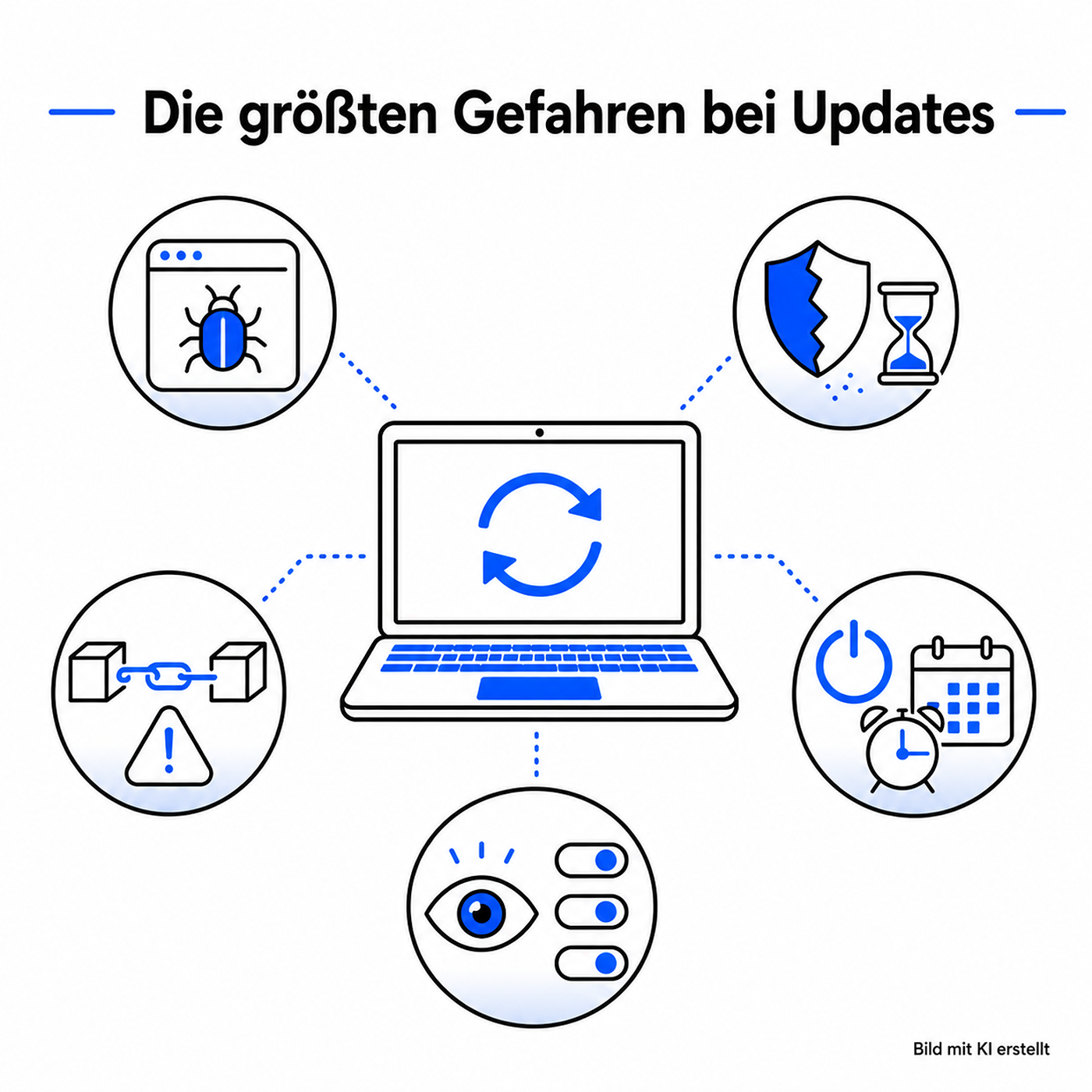
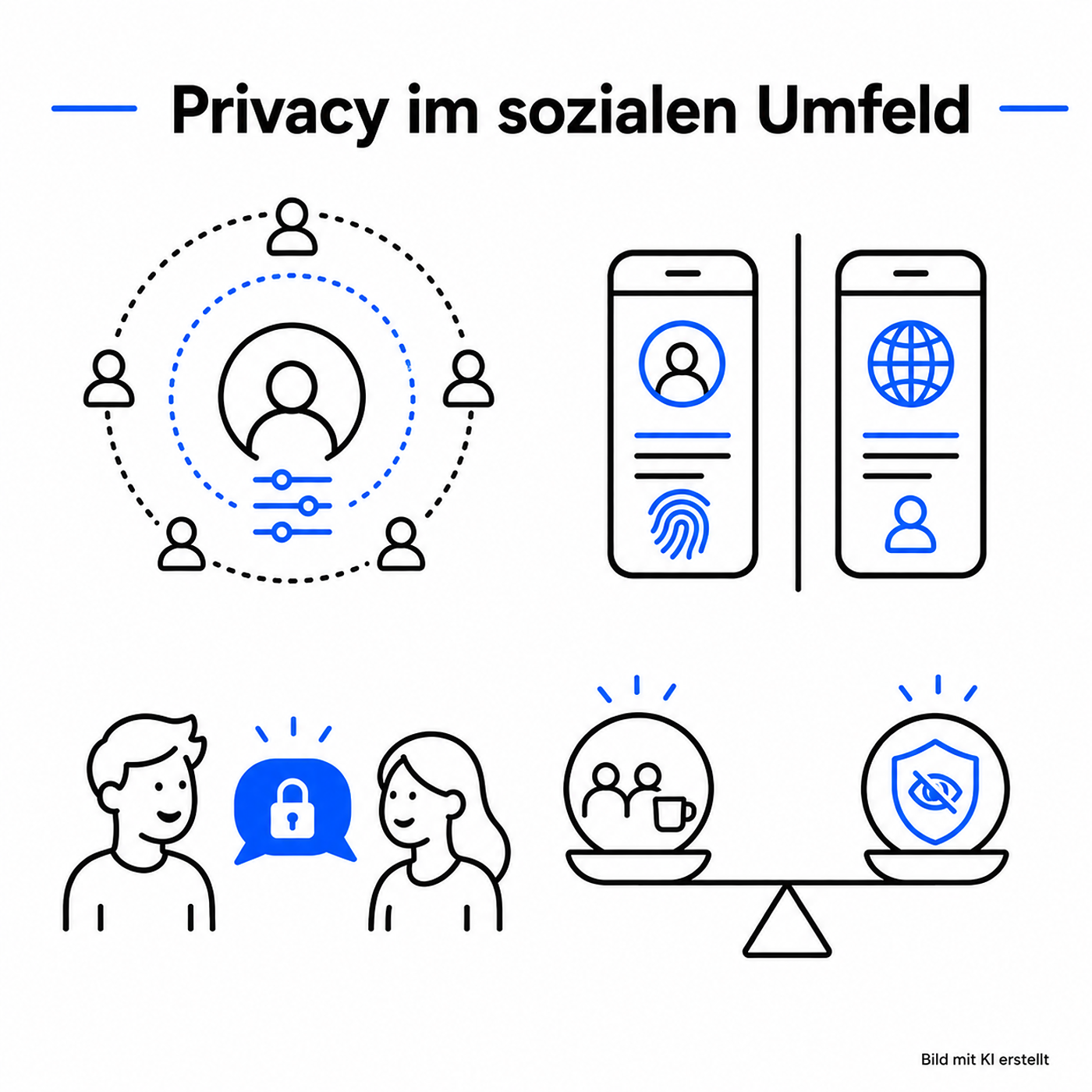
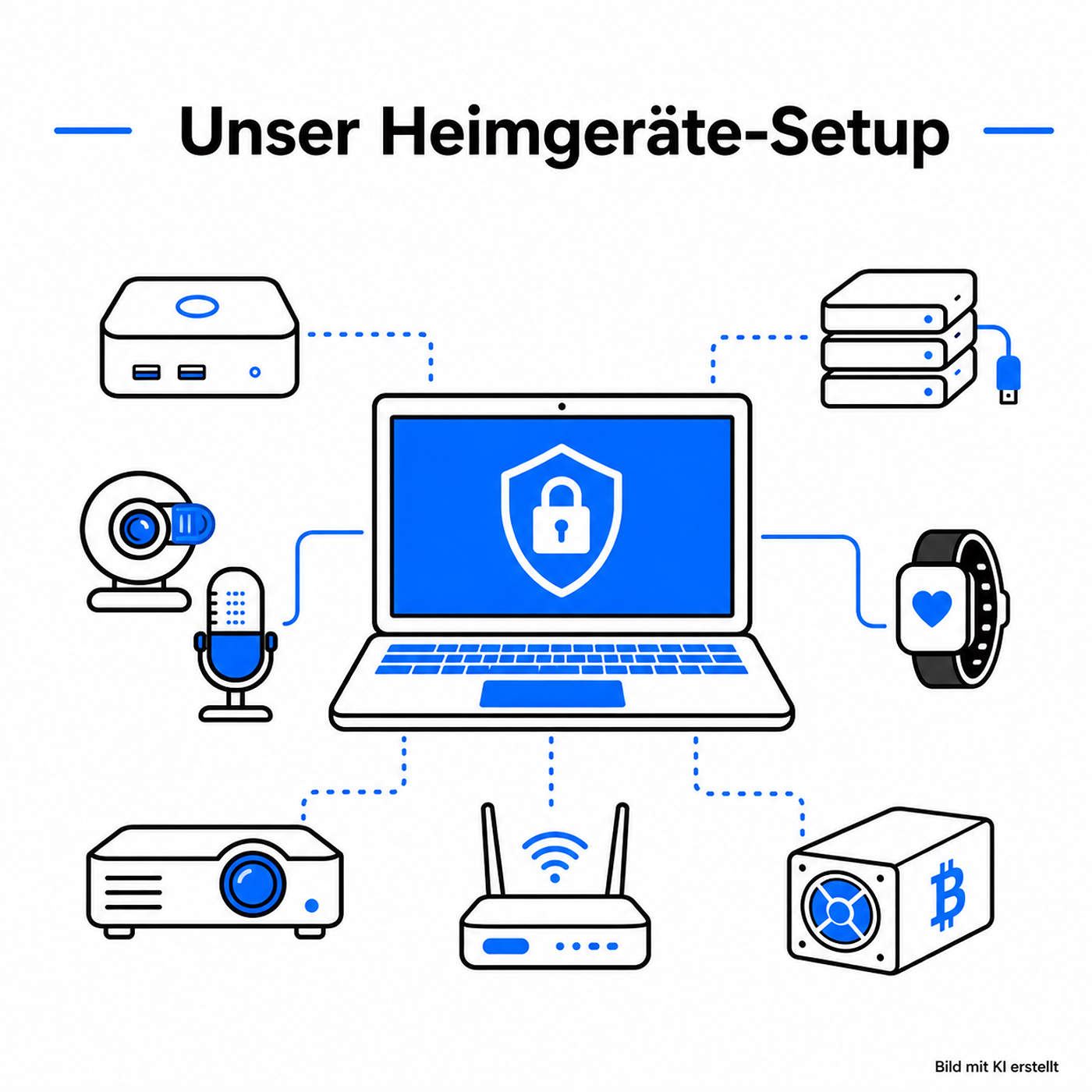




MenschenPeople


PublikationenPublications
Alle ansehenView all


WirtschaftEconomics
Bitcoin Mining Economics in 2026: Who Actually Profits
vor 1 Woche1 w ago3 Min.3 min

Weiter durchs NetzwerkAcross the network
Noch mehr zu entdecken.Keep exploring.
6 Beiträge geladen.6 stories loaded.


Quantencomputer und Bitcoin 2026: 20.000 Qubits, 26 Tage – und was jetzt zu tun ist
Zwei Studien haben 2026 die Schätzungen drastisch gesenkt: Google rechnet mit unter 500.000 Qubits und 9 Minuten pro Schlüssel, IonQ mit knapp 20.000 Qubits und 26 Tagen. Welche Coins wirklich gefährdet sind, was BIP-360, SHRINCS und der Einfrier-Vorschlag BIP-361 bedeuten – und was du heute schon tun kannst.

vor 1 Mon.1 mo ago16 Min.16 min

Security is a pillar of sovereignty, so I built a hacking lab to learn how I get hacked
Data sovereignty is usually sold as hiding, but real control starts with understanding how your data is actually taken. To learn that honest half of the story, I built a fully isolated hacking lab on my own desktop, in a single afternoon, together with Claude Code. It is a small copy of the real world that touches nothing real: one private network with no route to my home or the internet, an attacker machine with the full Kali toolkit, a set of deliberately vulnerable Linux and web targets, and a miniature Windows domain. Every target resets from a snapshot, and every "secret" inside, the bank statement, the crypto seed, the reused password, is a planted fake. You practice the attack so you earn the defense. What makes the lab more than a sandbox is its tutor: an open qwen3 model running locally through Ollama, free of the usual guardrails and connected by retrieval to two private knowledge bases, the lab's own living documentation and my personal Joplin notebooks. Nothing leaves the machine. For a beginner this removes the biggest barrier, the fear of asking a stupid question, and it raises an obvious question of its own: an unlimited AI wired to offensive tools, what can go wrong? The answer is the whole design. The model has no guardrails, so the guardrails live in the isolation of the lab and in the operator. Inside a sealed room, against machines I own, that knowledge is simply education, and it is how sovereignty over your own security is earned, one brick at a time.

vor 1 Mon.1 mo ago8 Min.8 min
Nobody knows how to threat model anymore...
The news of Signal testing a no-phone number requirement has me realizing one thing: threat modeling seems to be a thing of the past, and privacy must be an all-or-nothing game...

vor 1 Mon.1 mo ago8 Min.8 min

Revolut-Leck: Wenn KYC-Daten ganz ohne Hack abfließen
Revolut gab Ausweiskopien, Selfies und komplette Bitcoin-Historien an eine gefälschte Behördenanfrage heraus – ganz ohne Hack. Warum das kein Betriebsunfall ist, sondern die Bauweise, wohin diese Kette in Frankreich geführt hat und was du daraus für deine eigenen Bestände mitnimmst.
vor 1 Mon.1 mo ago14 Min.14 min

Berlin gehackt: Nicht Bitcoin ist das Problem, sondern die Datensammlung
5,8 Terabyte Behördendaten gestohlen, 30 Bitcoin Lösegeld gefordert. Die Schlagzeile sagt „Bitcoin" – das Risiko liegt woanders: in Datenbanken, die der Staat anlegt und nicht schützen kann. Und ab 2027 kommt mit DAC8 die wertvollste davon dazu.
vor 2 Mon.2 mo ago9 Min.9 min