
Heute auf DiscoverToday on Discover
Entdecke, was andere bewegt.Find what moves people.
Geschichten, Gespräche und Ideen aus dem offenen Netz.Stories, conversations and ideas from the open web.
 HörbuchAudiobookDas verlorene Bit der Berufung_Teil-1

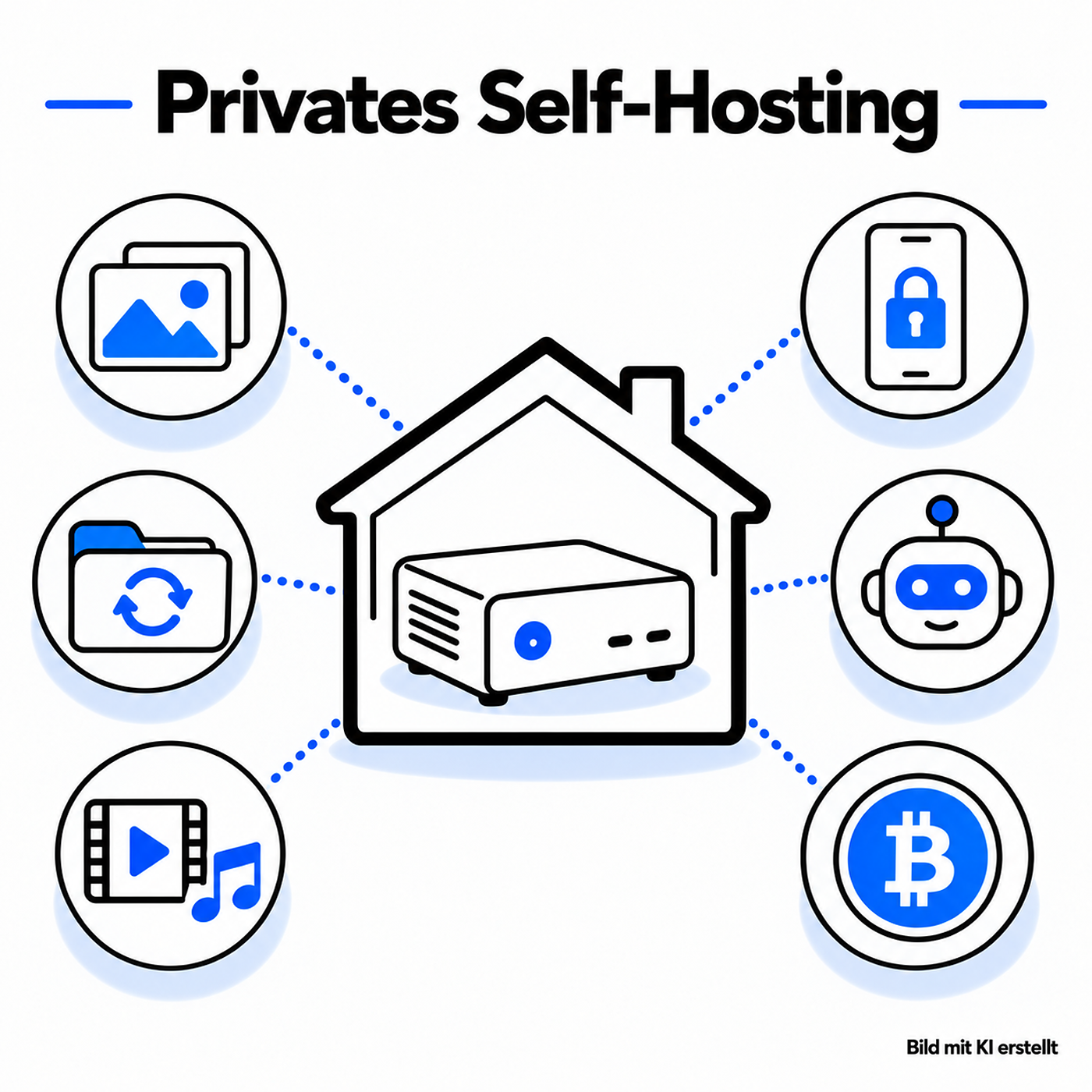 FolgeEpisode#024 Hol dir die Kontrolle über deine Dateien zurück mit deinem eigenen Home-Server
 ArtikelArticleIn Search of Freedom: Life, Death, and Sovereignty in the Himalaya

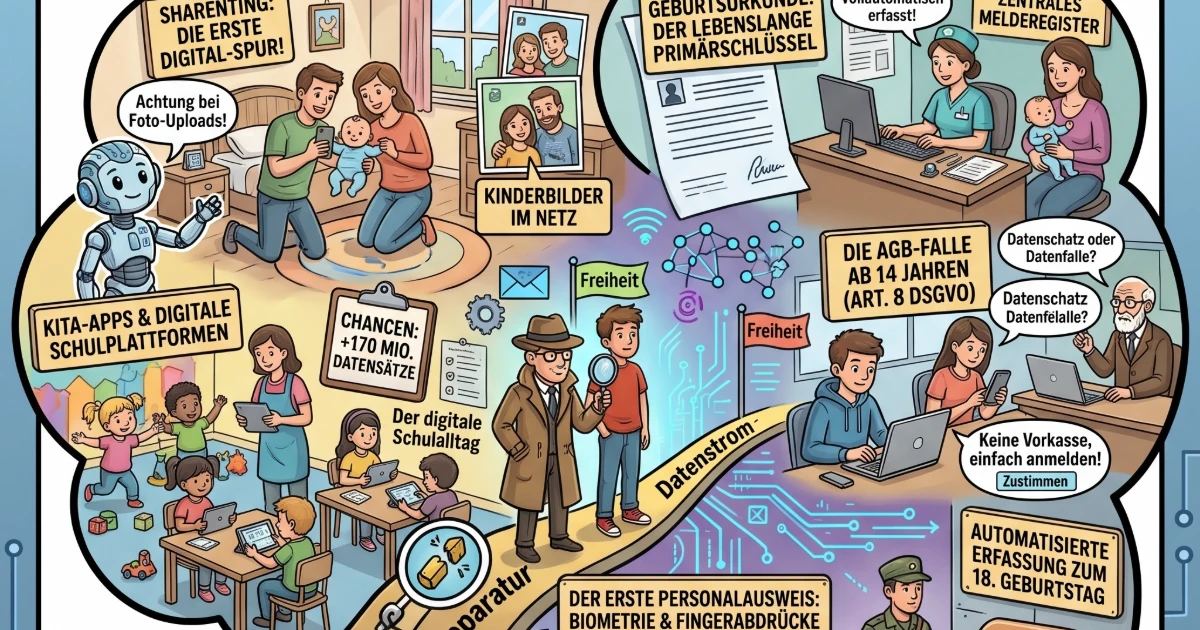 HörbuchAudiobookDer gläserne Mensch - Aza und Avatar - Die Bytes Detektive
 HörbuchAudiobookDas verlorene Bit der Berufung _ Teil-2
GeldMoney



What Bitcoin Taught Me About Patience, Consumption, and True Independence
vor 15 Mon.15 mo ago8 Min.8 min
Neu zum HörenNew to listen
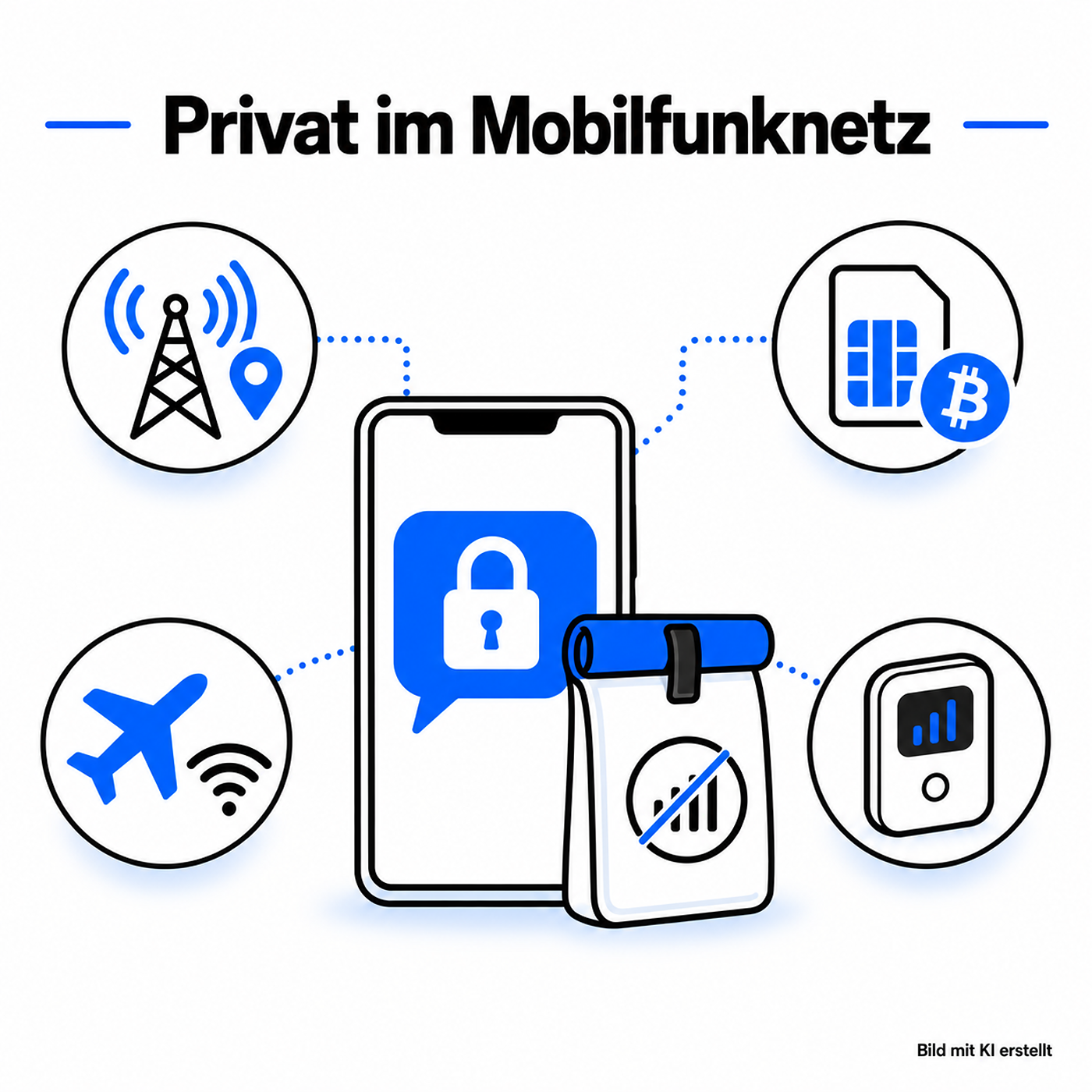
Alles in HörenAll in Listen#023 Deine SIM-Karte verrät dich!
breakfree
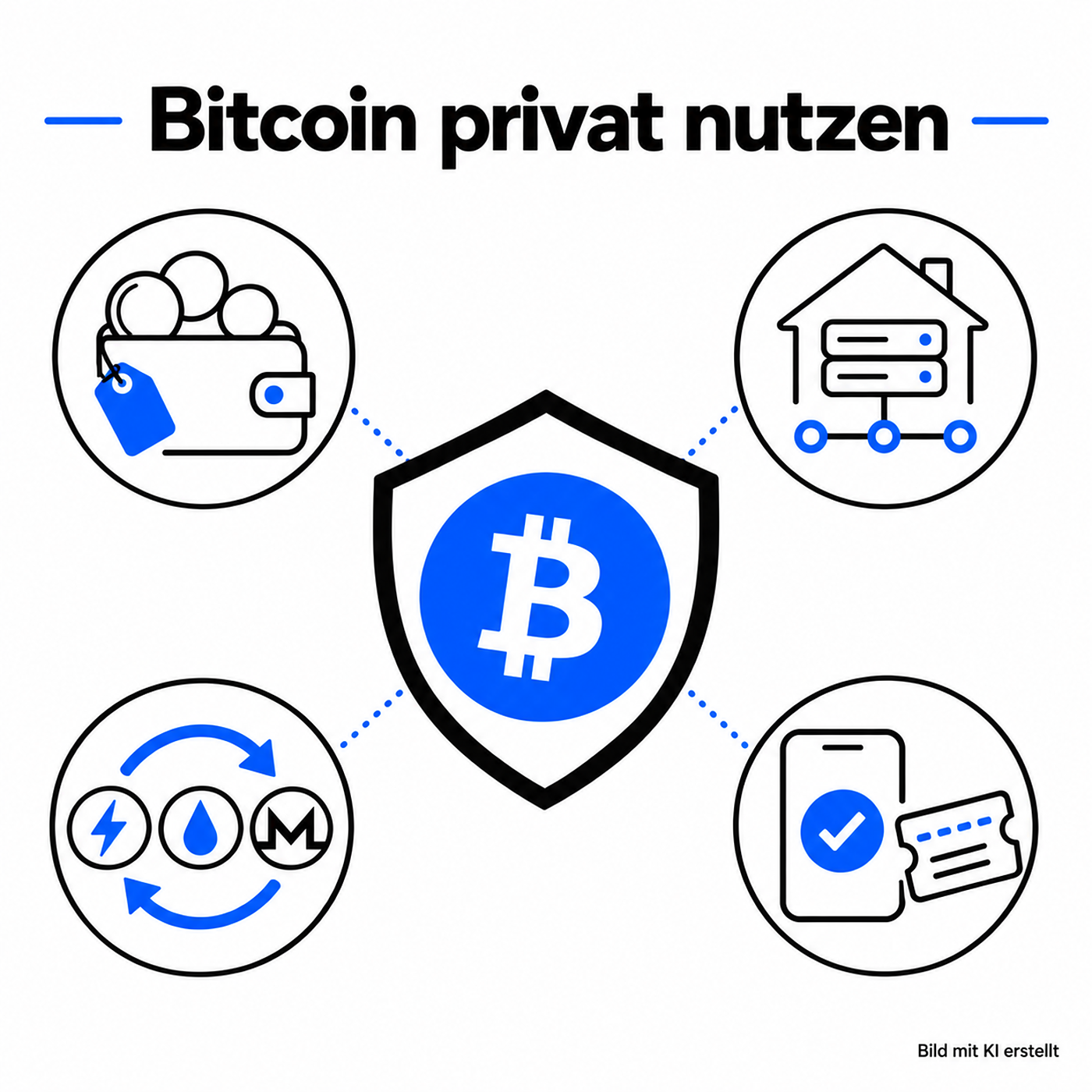
#022 Nur so sind deine Bitcoin wirklich privat
breakfree
#021 Dein Vermögen gehört nicht dir (mit einer einzigen Ausnahme)!
breakfree
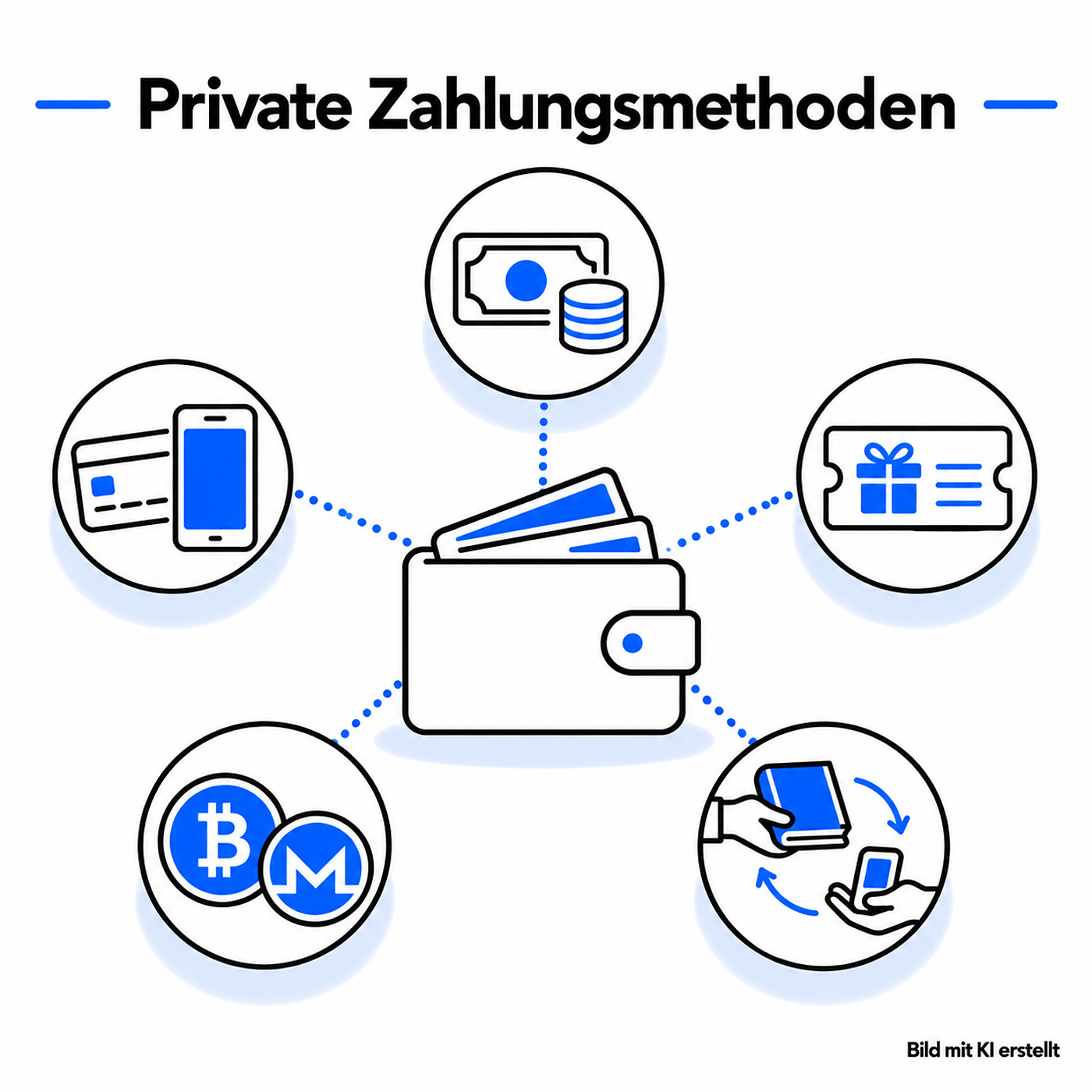
#020 So bezahlst du, ohne Datenspuren zu hinterlassen
breakfree
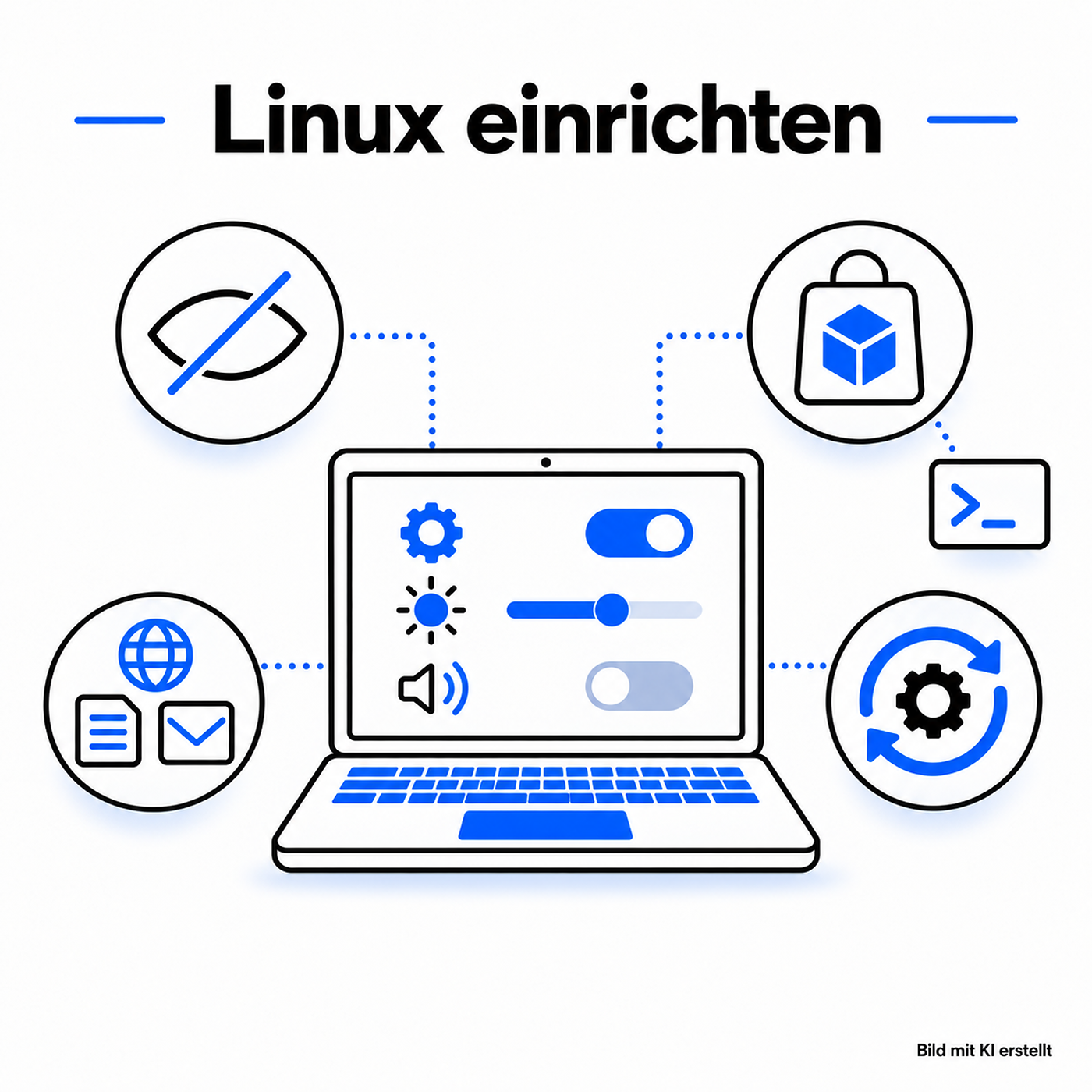
#019 Dein Laptop spioniert dich nicht mehr aus, ist dafür aber schneller
breakfree
#018 So entkommst du der Spyware von Microsoft und Apple
breakfree
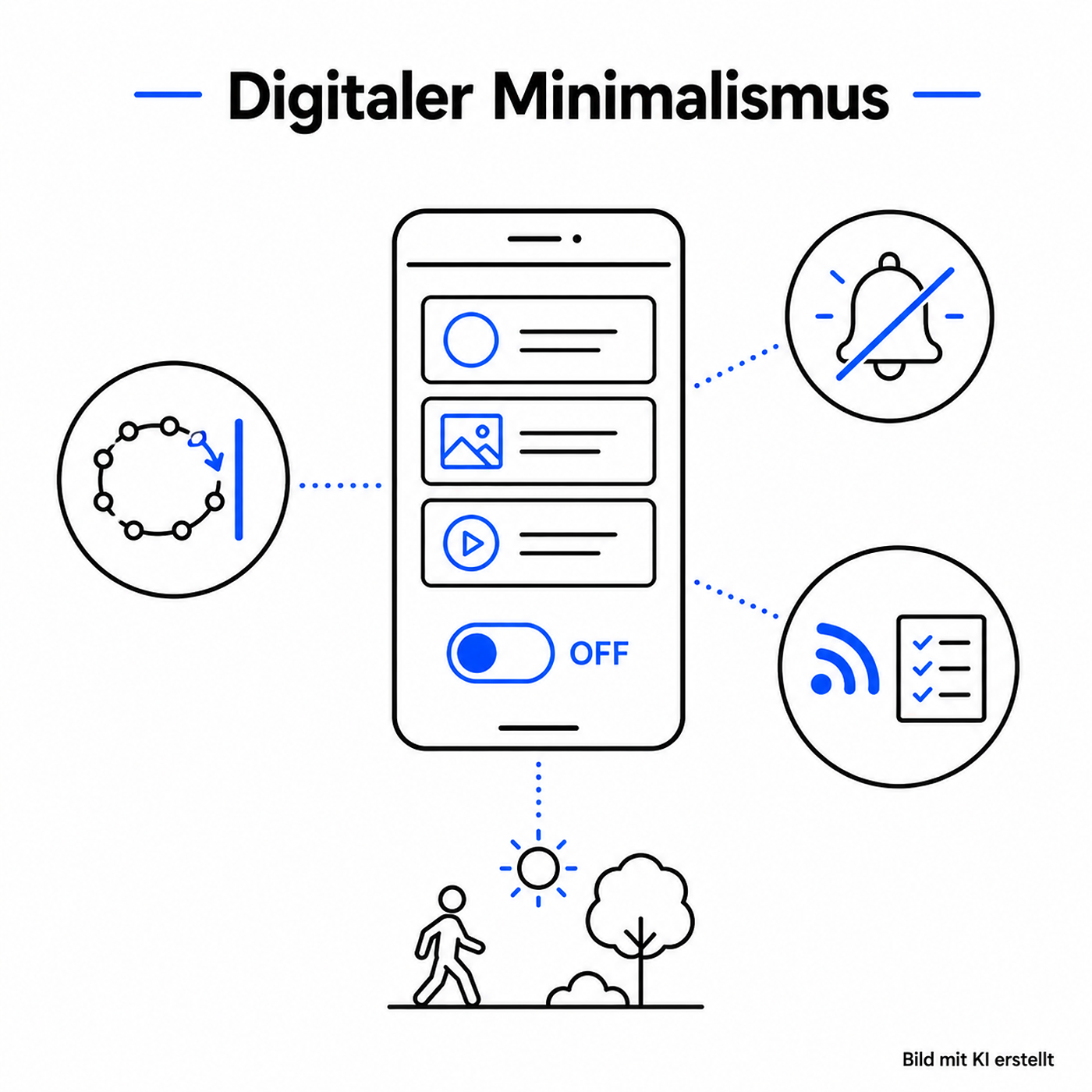
#017 Der Algorithmus kontrolliert dich!
breakfree
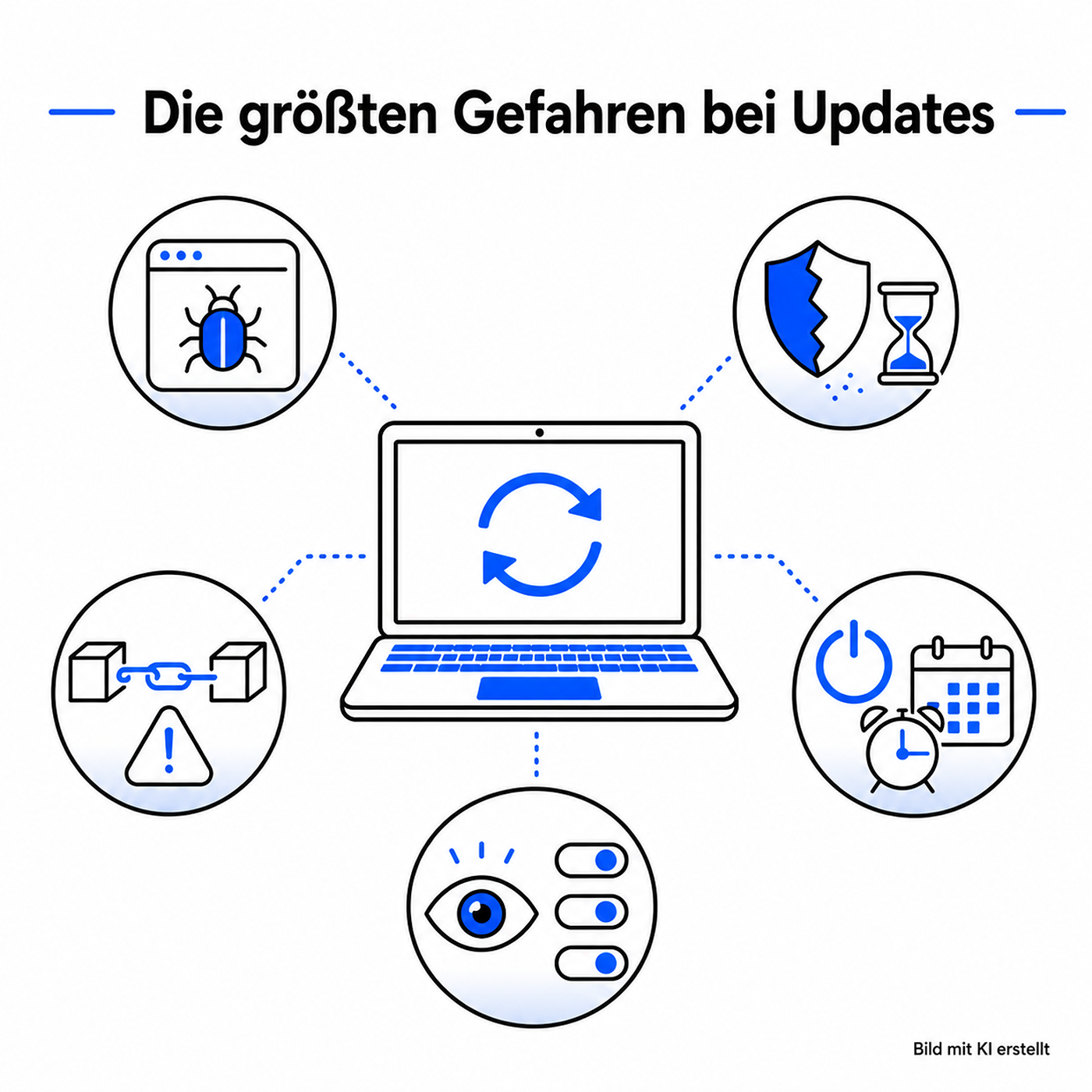
#016 Wie gefährlich sind Updates wirklich?
breakfree
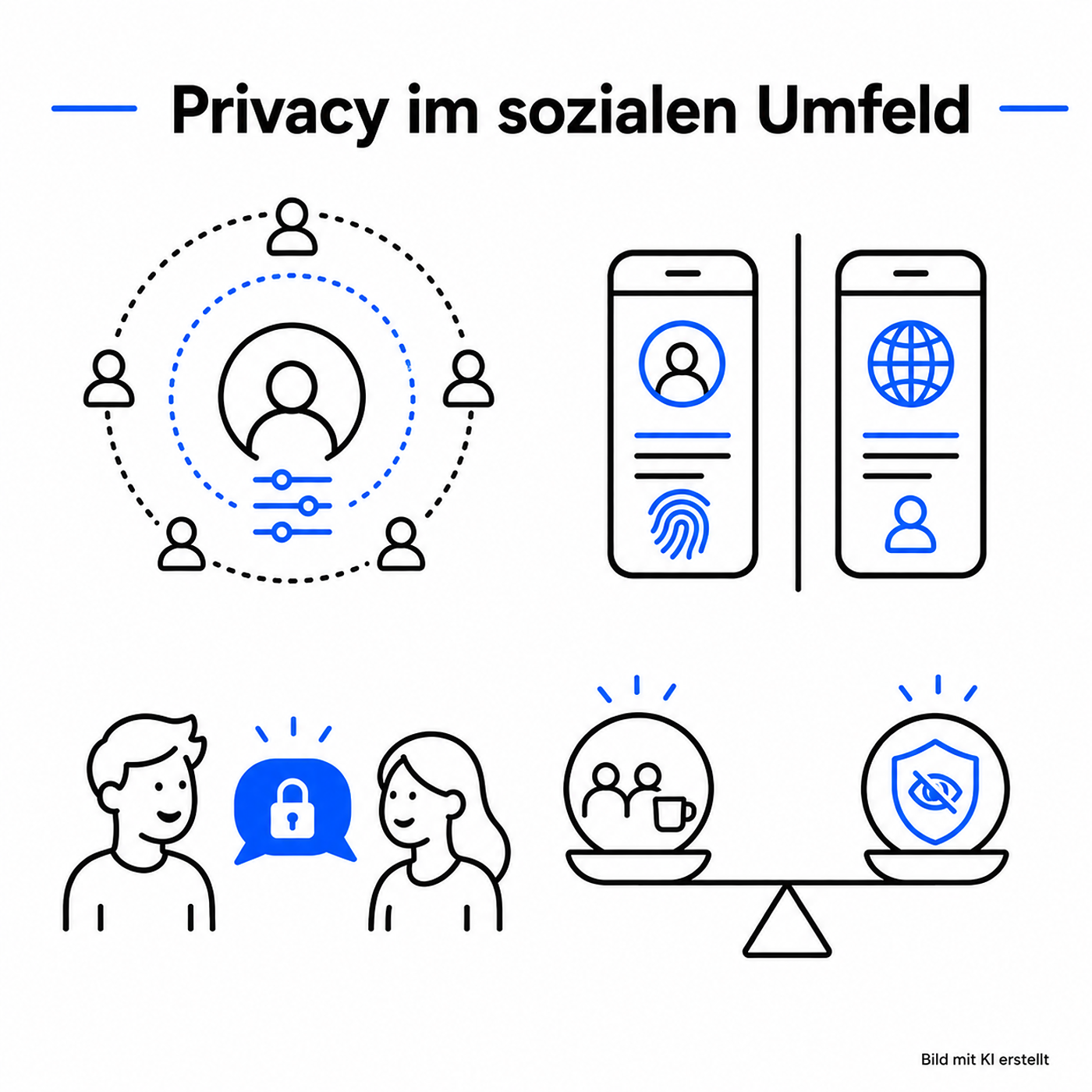
#015 Ist dein soziales Umfeld dein größtes Datenleck?
breakfree
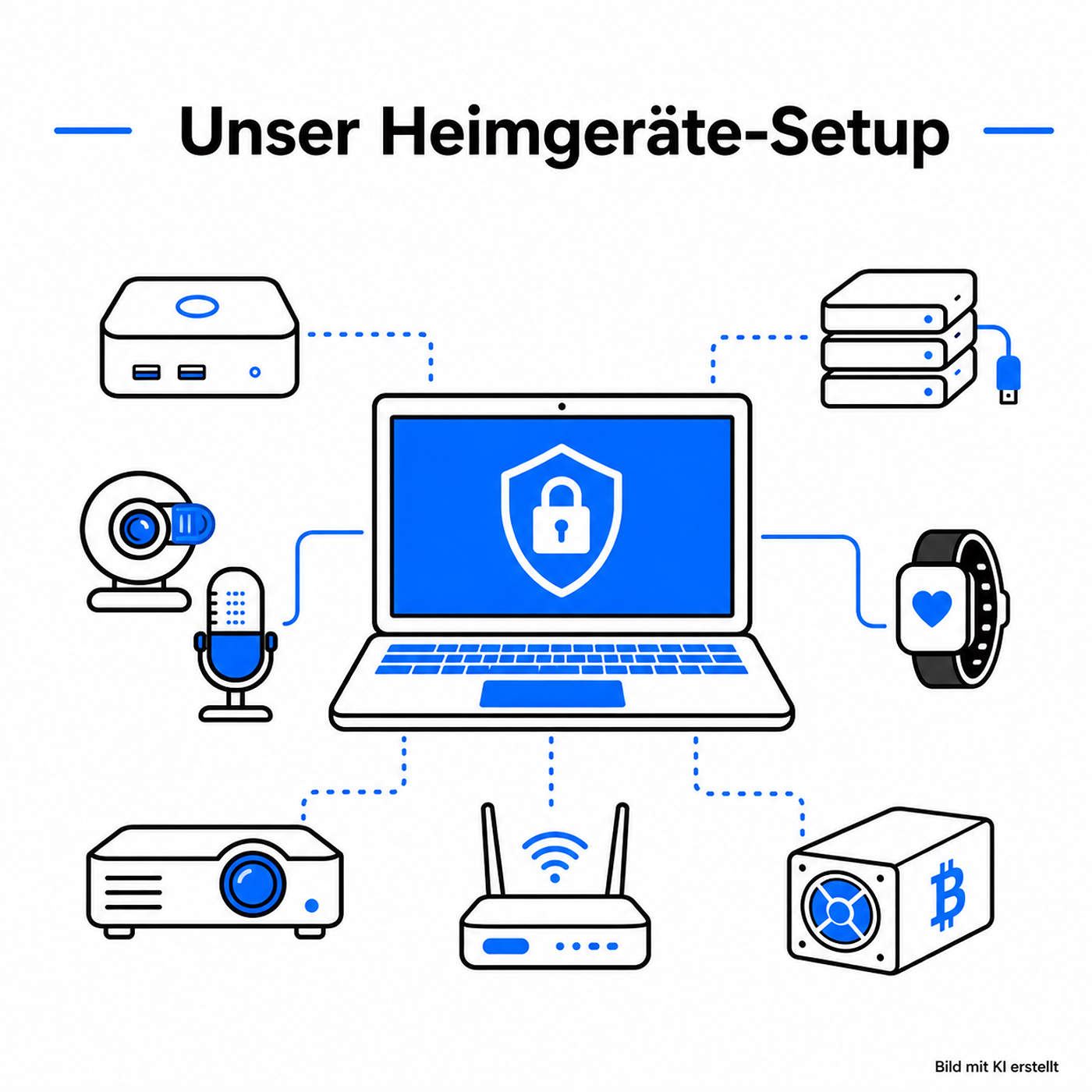
#014 Unsere Wohnungen sind voll mit Technik, aber nicht verwanzt
breakfree





MenschenPeople


PublikationenPublications
Alle ansehenView all


WirtschaftEconomics
Bitcoin Mining Economics in 2026: Who Actually Profits
vor 1 Woche1 w ago3 Min.3 min

Weiter durchs NetzwerkAcross the network
Noch mehr zu entdecken.Keep exploring.
3 Beiträge geladen.3 stories loaded.

Gathering Our Circles of Trust
Gathers the Circle argues that refugee “digital identity” programs fail because displacement is defined by unreliable power, unreliable internet, and broken institutions. So identity must work offline first and live with the person, not in a database. It proposes a practical, deployable “camp-in-a-box” stack: $0.80 NFC “Name Tag” tokens that hold cryptographic keys and enable physical MFA; “Camp Cash” scratch-off bearer notes denominated in sats for private, offline exchange; and a peer-attestation reputation layer that rebuilds trust without documents. When connectivity disappears entirely, the system continues through Bluetooth mesh networking, then later syncs to global relays and Lightning when any link comes back online. Creating a three-layer infrastructure (physical, local digital, global digital) designed to survive censorship, surveillance, and collapse.

vor 10 Mon.10 mo ago24 Min.24 min

The Credential Paradox
This essay argues that “credentialing” is less about legal status and more about access to interlocking verification systems (ID, address, banking, phone numbers, and employment), and that losing any piece can collapse participation in modern life. Drawing on decades of lived experience operating outside these systems, it reframes refugee “identity” needs away from restoring institutional documents and toward strengthening the informal, reputation-based trust networks and cash economies that already work under displacement. It then points to Bitcoin-native tools (Bitcoin, Lightning, Fedimint, Cashu, Nostr, and physical tokens like NFC tags and tamper-evident QR codes) as a new architecture for portable identity, bearer value, and coordination that doesn’t depend on permissioned institutions.

vor 10 Mon.10 mo ago20 Min.20 min

Privacy Isn't a Luxury: Taking Back Control in the Digital Age

vor 24 Mon.24 mo ago7 Min.7 min