
Heute auf DiscoverToday on Discover
Entdecke, was andere bewegt.Find what moves people.
Geschichten, Gespräche und Ideen aus dem offenen Netz.Stories, conversations and ideas from the open web.
 HörbuchAudiobookDas verlorene Bit der Berufung_Teil-1

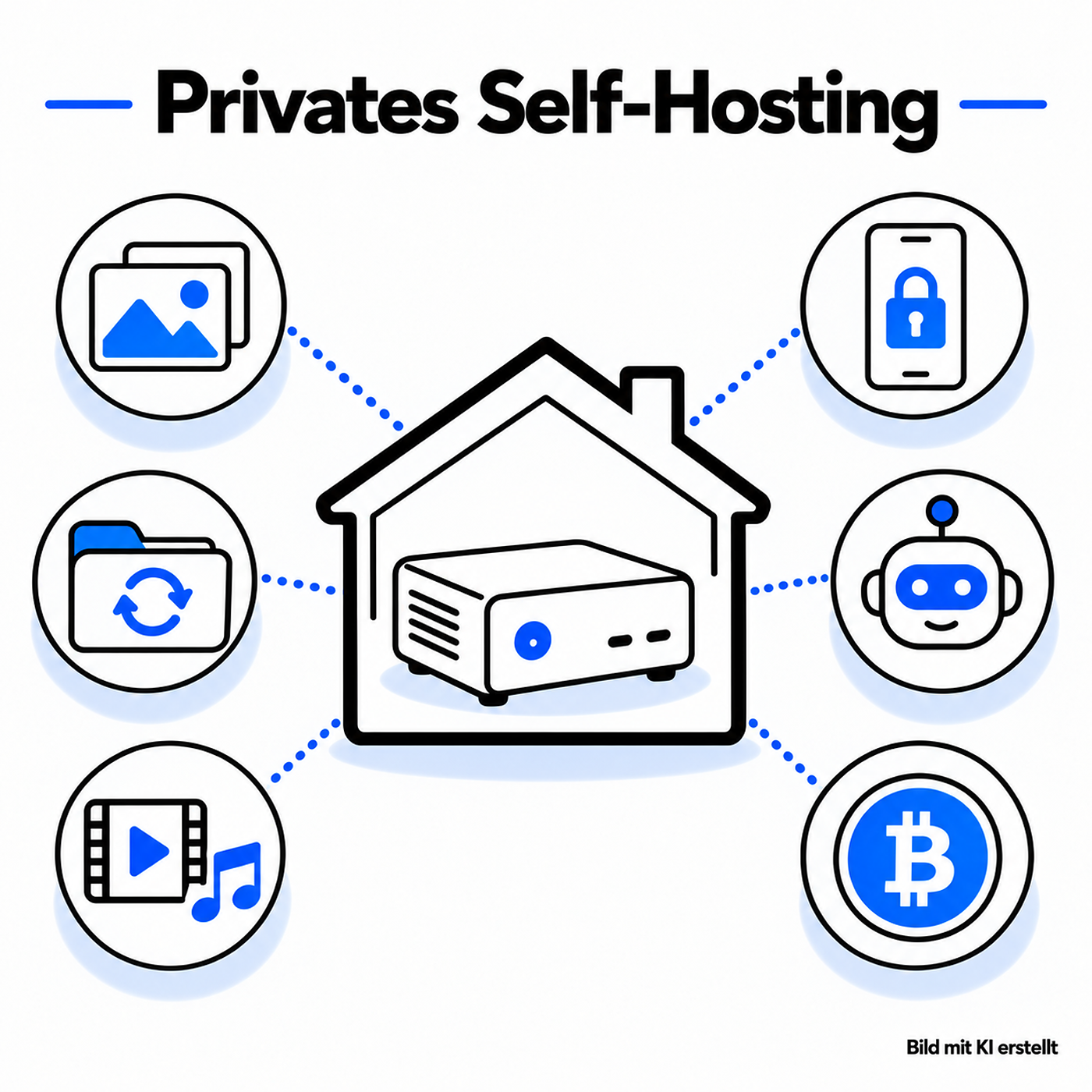 FolgeEpisode#024 Hol dir die Kontrolle über deine Dateien zurück mit deinem eigenen Home-Server
 ArtikelArticleIn Search of Freedom: Life, Death, and Sovereignty in the Himalaya

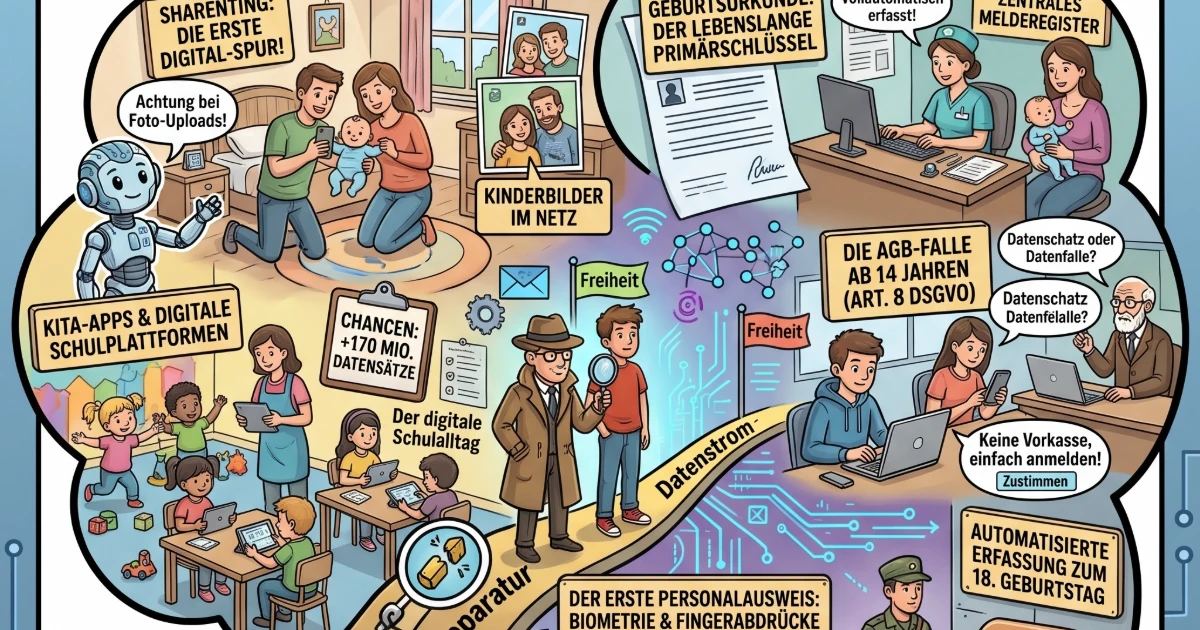 HörbuchAudiobookDer gläserne Mensch - Aza und Avatar - Die Bytes Detektive
 HörbuchAudiobookDas verlorene Bit der Berufung _ Teil-2
GeldMoney


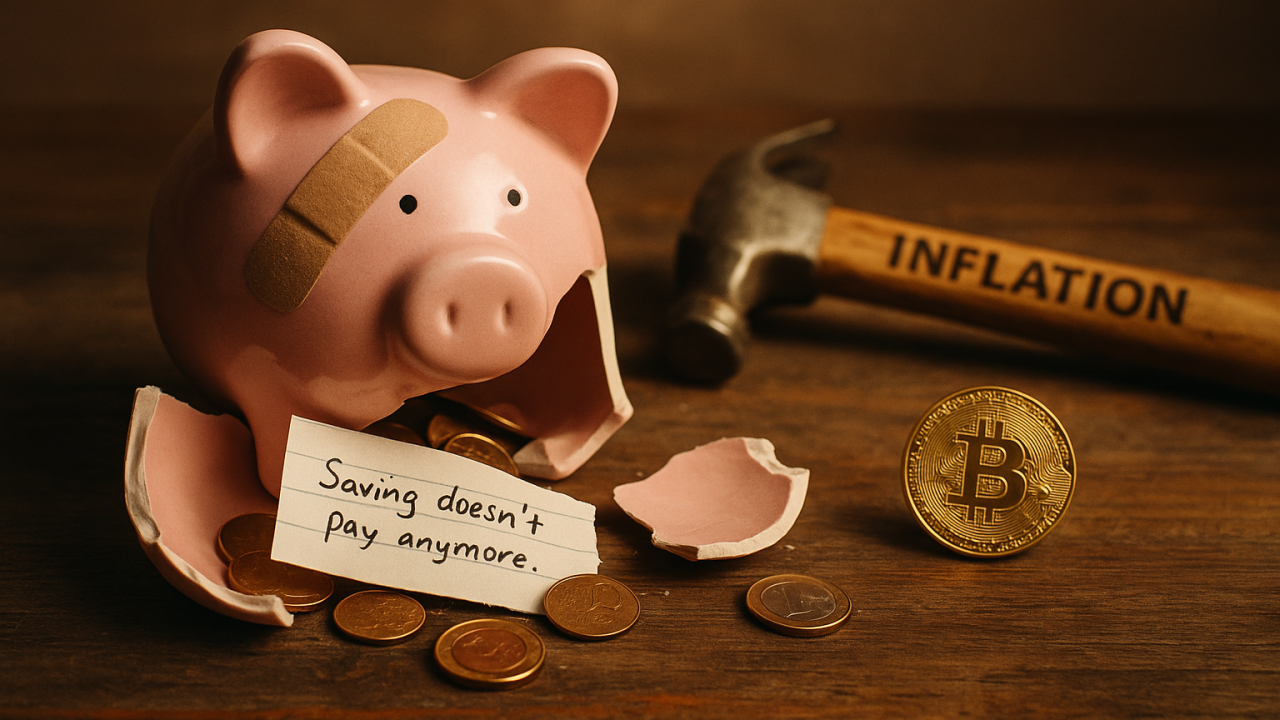
What Bitcoin Taught Me About Patience, Consumption, and True Independence
vor 15 Mon.15 mo ago8 Min.8 min
Neu zum HörenNew to listen
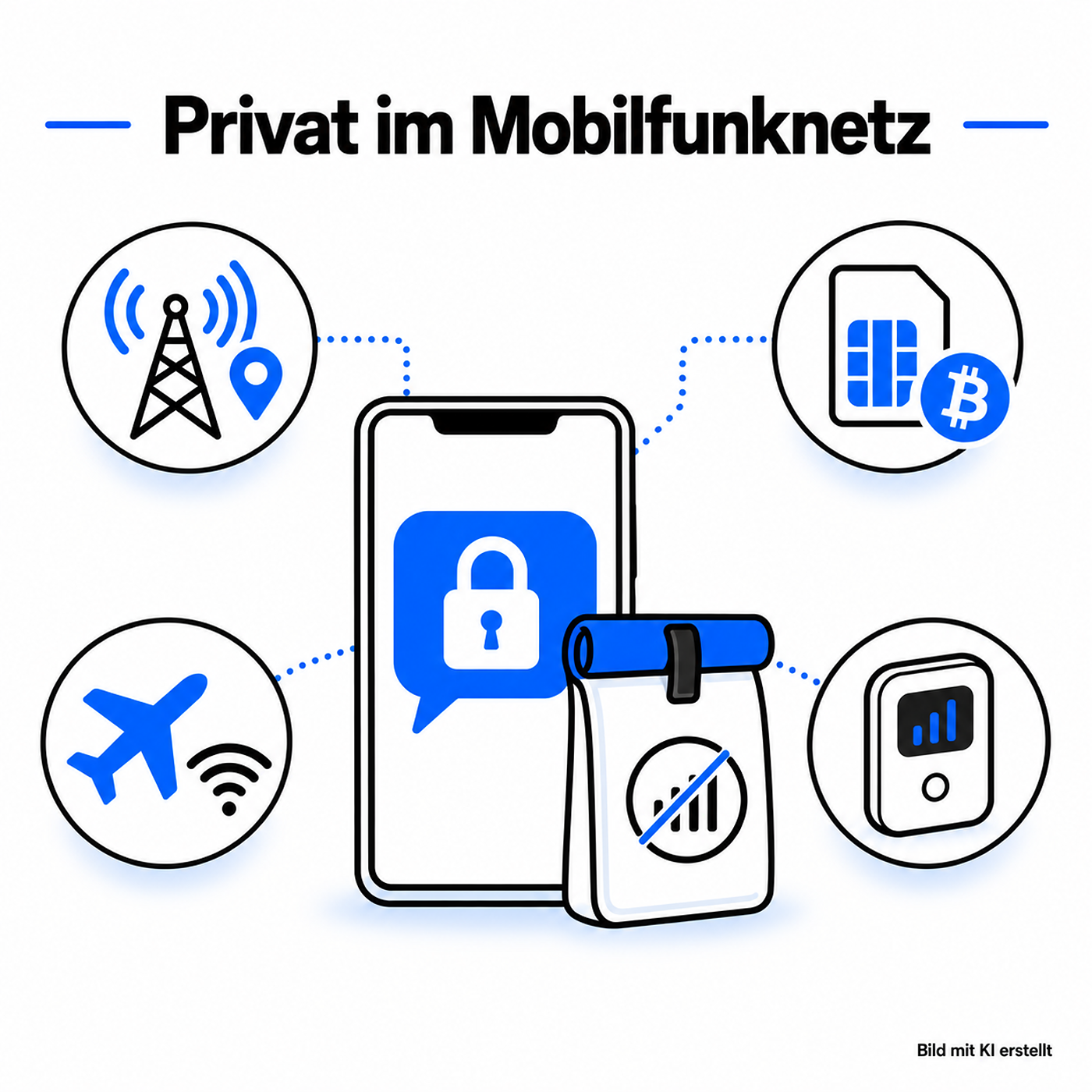
Alles in HörenAll in Listen#023 Deine SIM-Karte verrät dich!
breakfree
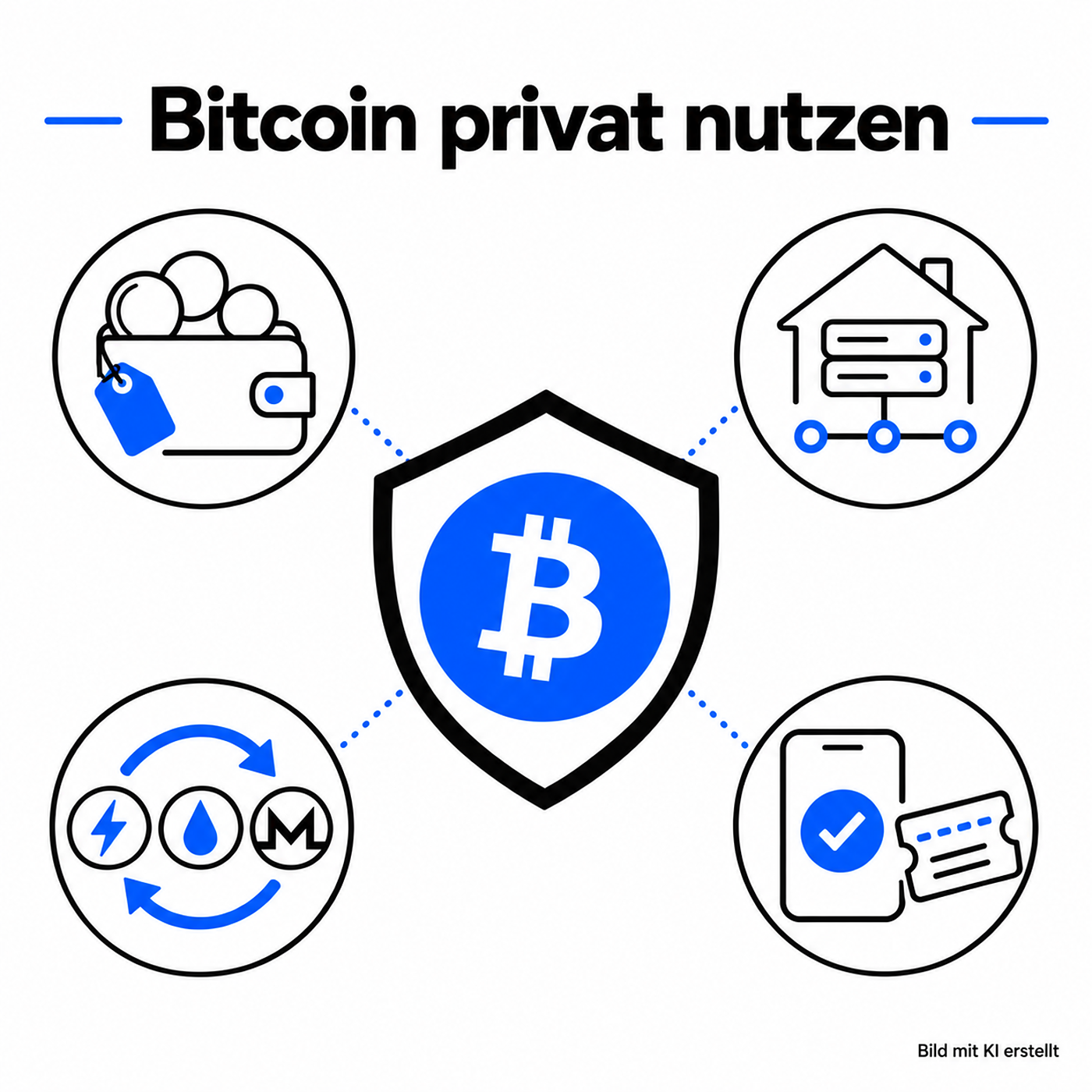
#022 Nur so sind deine Bitcoin wirklich privat
breakfree
#021 Dein Vermögen gehört nicht dir (mit einer einzigen Ausnahme)!
breakfree
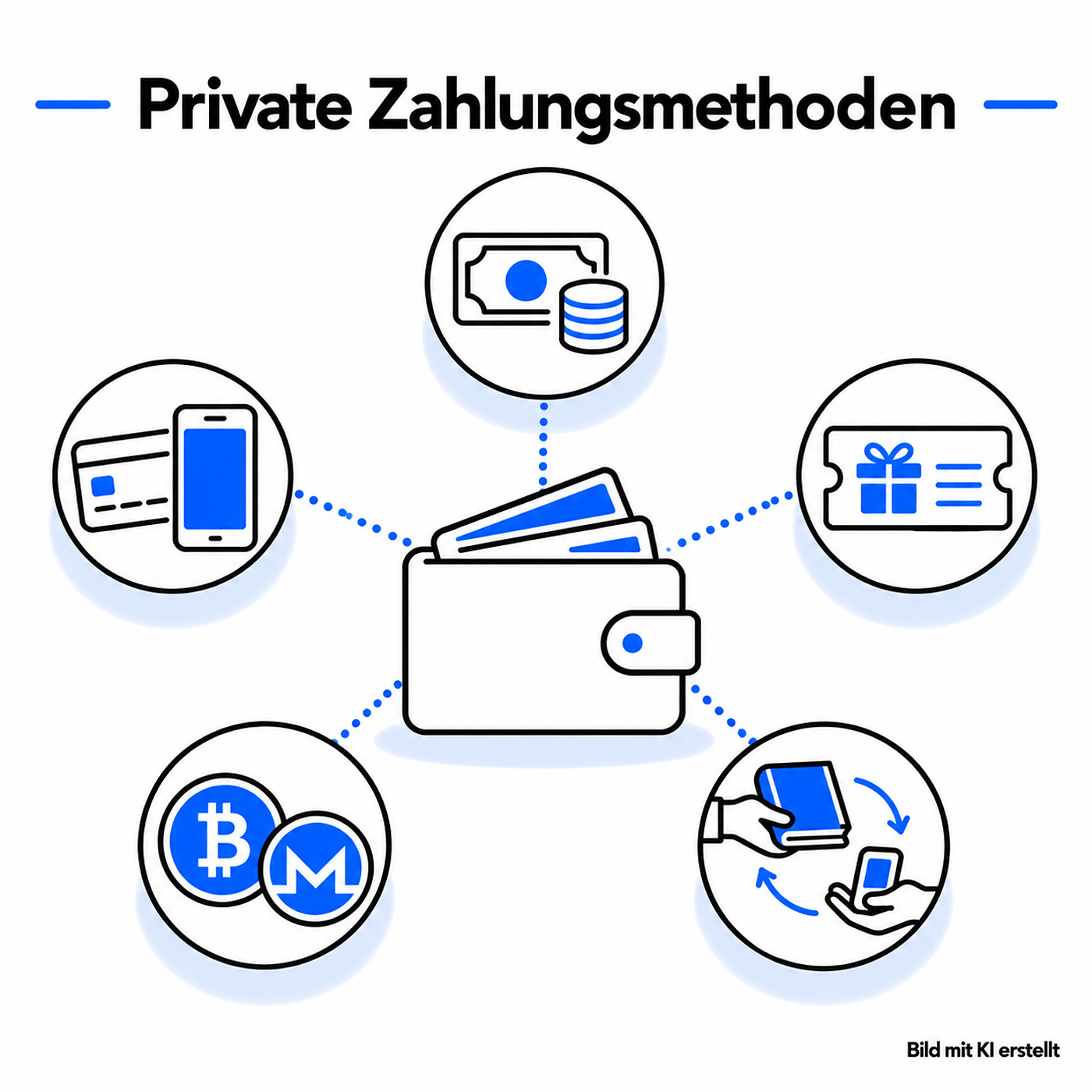
#020 So bezahlst du, ohne Datenspuren zu hinterlassen
breakfree
#019 Dein Laptop spioniert dich nicht mehr aus, ist dafür aber schneller
breakfree
#018 So entkommst du der Spyware von Microsoft und Apple
breakfree
#017 Der Algorithmus kontrolliert dich!
breakfree
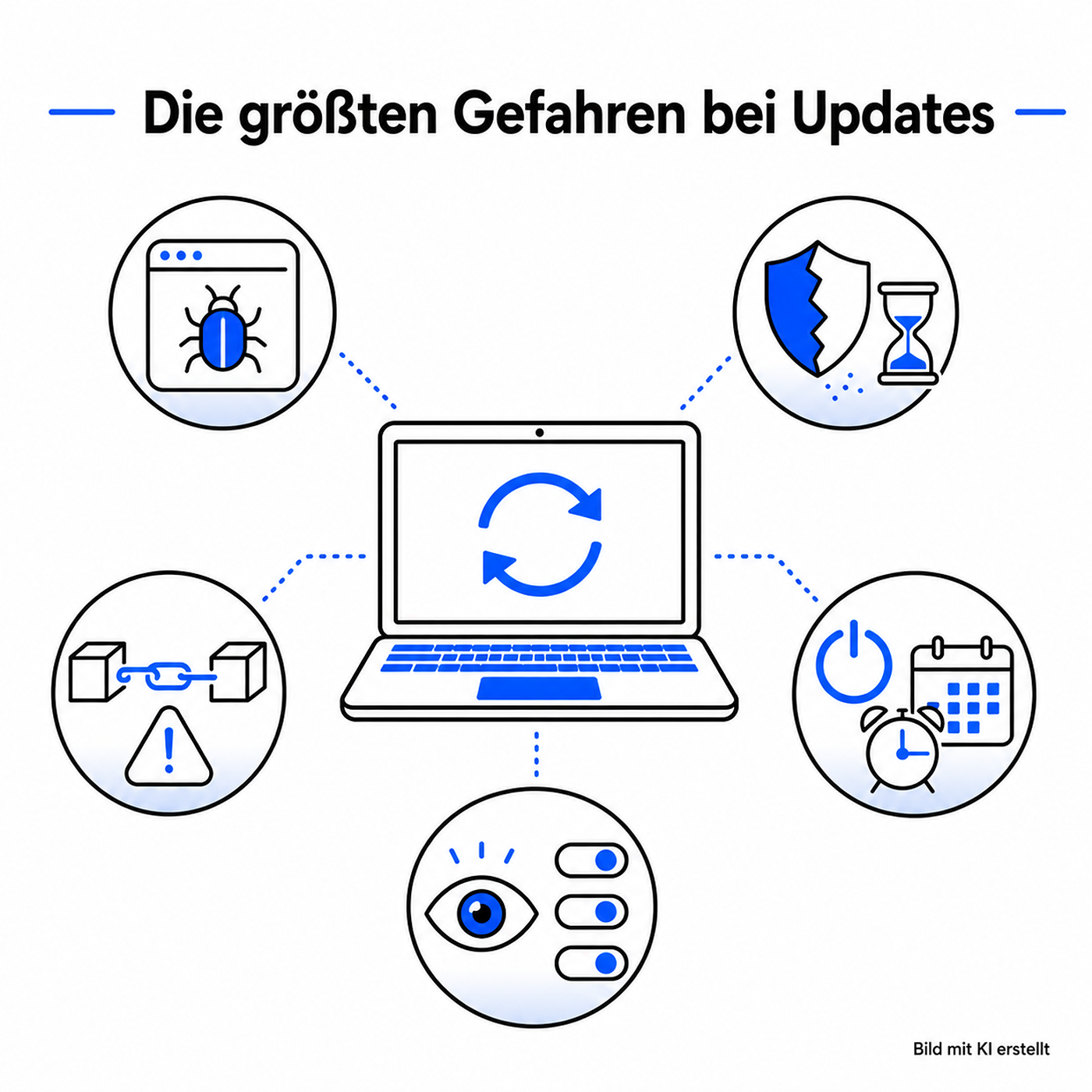
#016 Wie gefährlich sind Updates wirklich?
breakfree
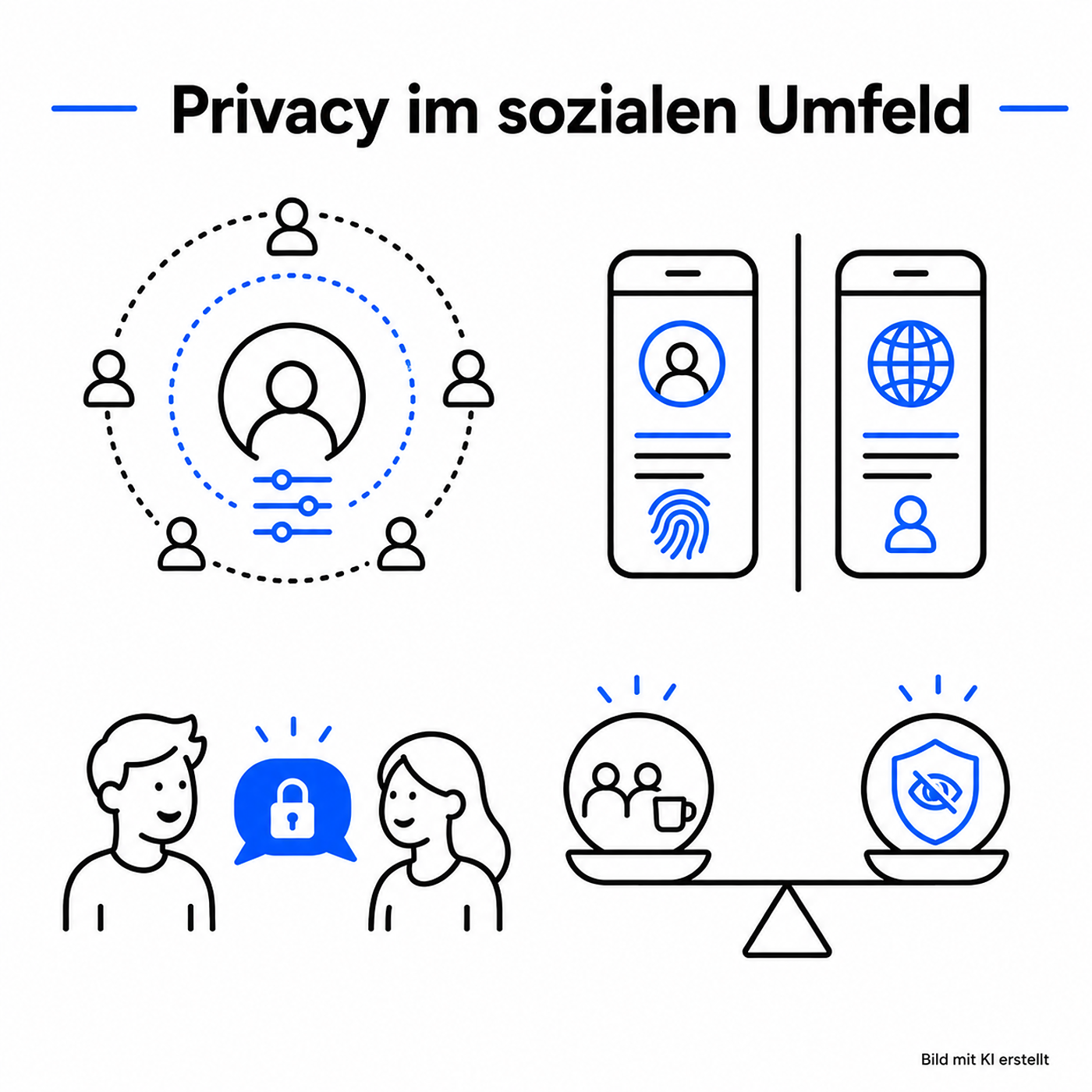
#015 Ist dein soziales Umfeld dein größtes Datenleck?
breakfree
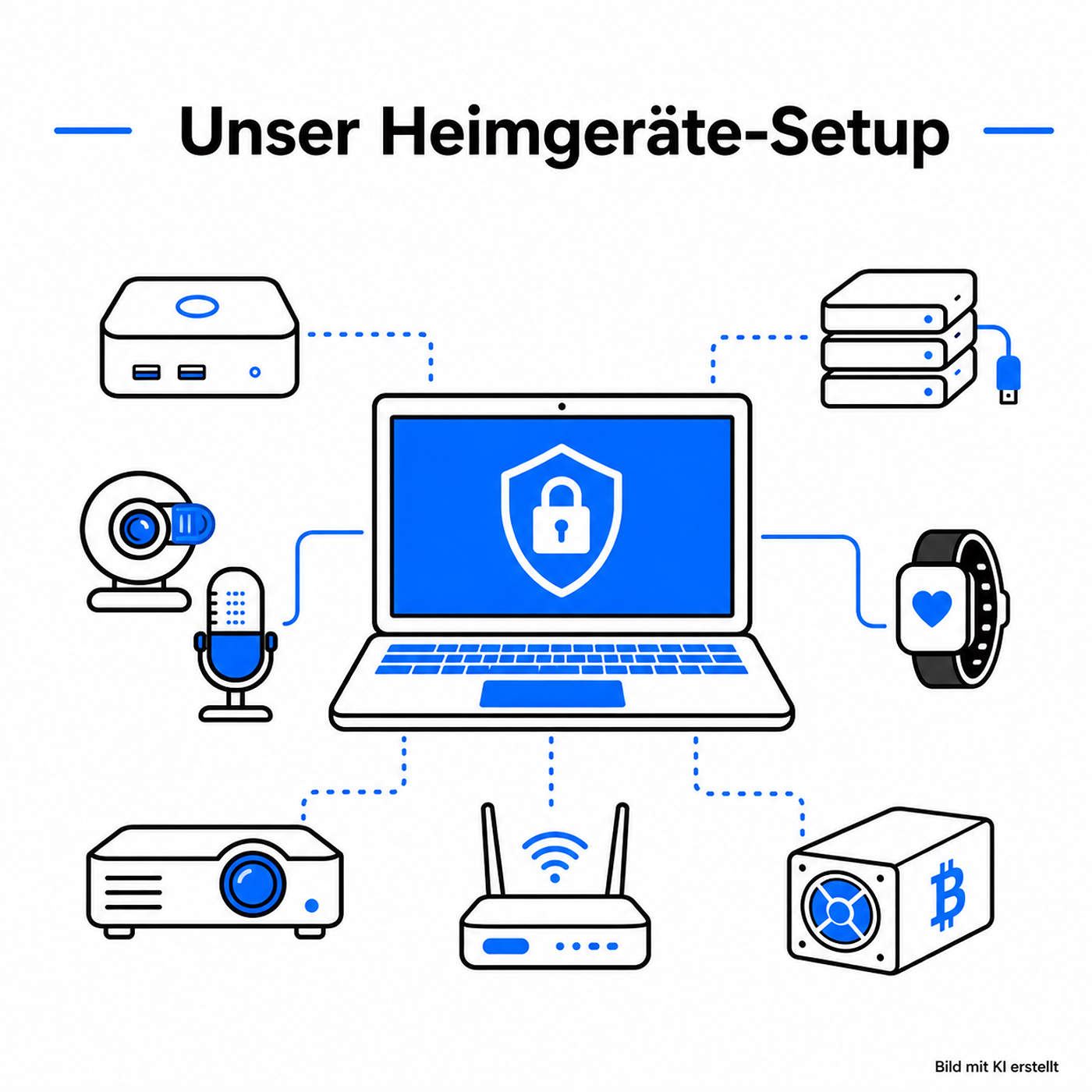
#014 Unsere Wohnungen sind voll mit Technik, aber nicht verwanzt
breakfree




MenschenPeople



PublikationenPublications
Alle ansehenView all


WirtschaftEconomics
Bitcoin Mining Economics in 2026: Who Actually Profits
vor 1 Woche1 w ago3 Min.3 min

Weiter durchs NetzwerkAcross the network
Noch mehr zu entdecken.Keep exploring.
4 Beiträge geladen.4 stories loaded.

Short-Term Comfort, Long-Term Economic Collapse
Money shapes far more than markets and trade. It influences political incentives, government behavior, public trust, and the long-term stability of civilization itself. This article explores how inflationary fiat systems gradually erode accountability, distort economic signals, encourage short-term thinking, and expand centralized power, while sound money acts as a natural restraint on political and economic excess.

vor 3 Mon.3 mo ago5 Min.5 min

The Philosophy of Liberty (And Why Bitcoin Matters)
You can't truly own your life if someone else can print money and steal your purchasing power, freeze your bank account for wrong-think, or force you to ask permission before transacting—which is why Bitcoin matters more than most people realize. This article breaks down how Bitcoin is the Philosophy of Liberty applied to money: self-ownership through private keys, property rights through a fixed supply, and voluntary exchange through a censorship-resistant network that treats everyone equally regardless of politics, nationality, or how fancy their building is.

vor 10 Mon.10 mo ago8 Min.8 min

Proof of thought: How the atomic bomb and Bitcoin changed the world
The atomic bomb and Bitcoin are both technological thresholds that fundamentally reshaped human incentives—one concentrated power through fear and deterrence, while the other distributes power through mathematical scarcity and transparency. Just as nuclear weapons made global war too costly by changing geopolitical incentives, Bitcoin makes financial manipulation increasingly difficult by removing the ability to print money, tax through inflation, and control individuals' access to their wealth.
vor 11 Mon.11 mo ago10 Min.10 min

Why Prices Would Keep Falling Under a Bitcoin Standard
Imagine a world where prices don’t rise every year but actually fall. A loaf of bread that costs $1 today might cost $0.75 tomorrow. This sounds bizarre, almost unthinkable, because we’re so used to living in a world of inflation, where prices constantly creep up. But under a Bitcoin standard—a system where Bitcoin, a cryptocurrency with a fixed supply of 21 million coins, serves as money—this isn’t just possible; it’s likely. Let’s dive into why.
vor 17 Mon.17 mo ago4 Min.4 min