
Heute auf DiscoverToday on Discover
Entdecke, was andere bewegt.Find what moves people.
Geschichten, Gespräche und Ideen aus dem offenen Netz.Stories, conversations and ideas from the open web.
 HörbuchAudiobookDas verlorene Bit der Berufung_Teil-1

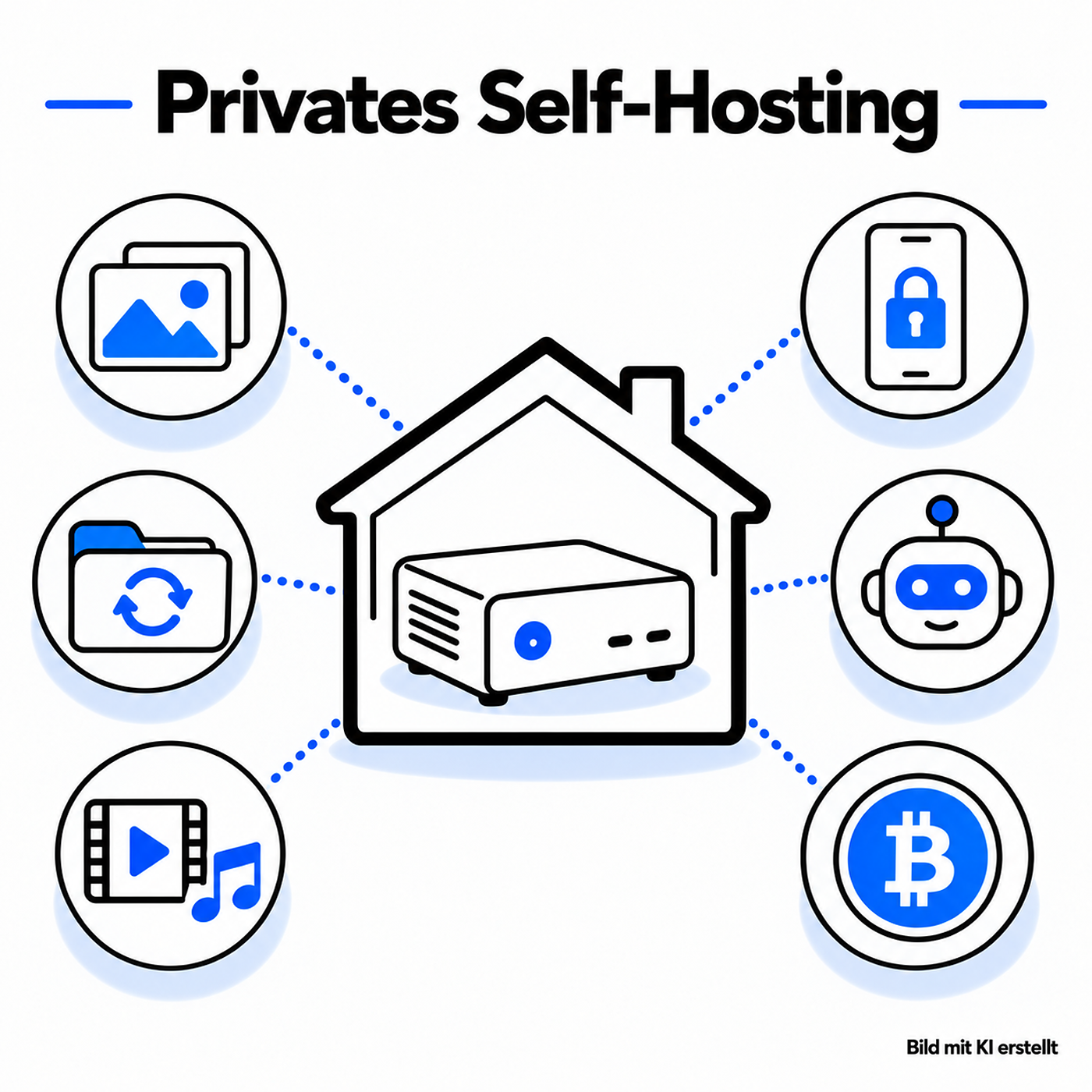 FolgeEpisode#024 Hol dir die Kontrolle über deine Dateien zurück mit deinem eigenen Home-Server

 ArtikelArticleIn Search of Freedom: Life, Death, and Sovereignty in the Himalaya

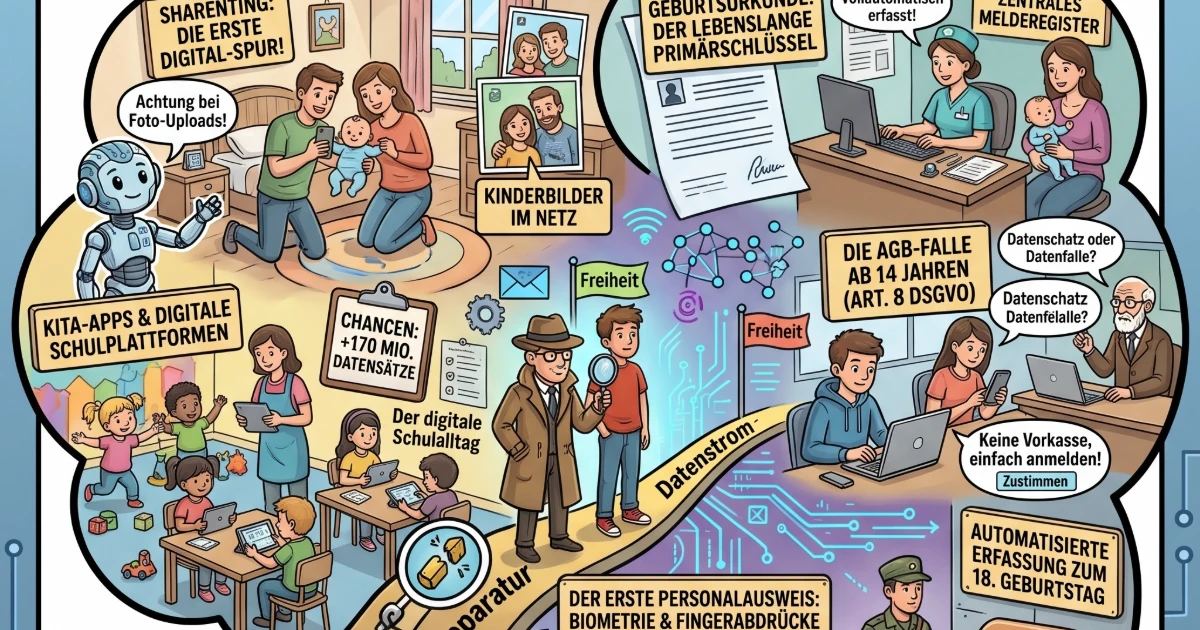 HörbuchAudiobookDer gläserne Mensch - Aza und Avatar - Die Bytes Detektive
 HörbuchAudiobookDas verlorene Bit der Berufung _ Teil-2
GeldMoney



What Bitcoin Taught Me About Patience, Consumption, and True Independence
vor 15 Mon.15 mo ago8 Min.8 min
Neu zum HörenNew to listen
Alles in HörenAll in Listen#023 Deine SIM-Karte verrät dich!
breakfree
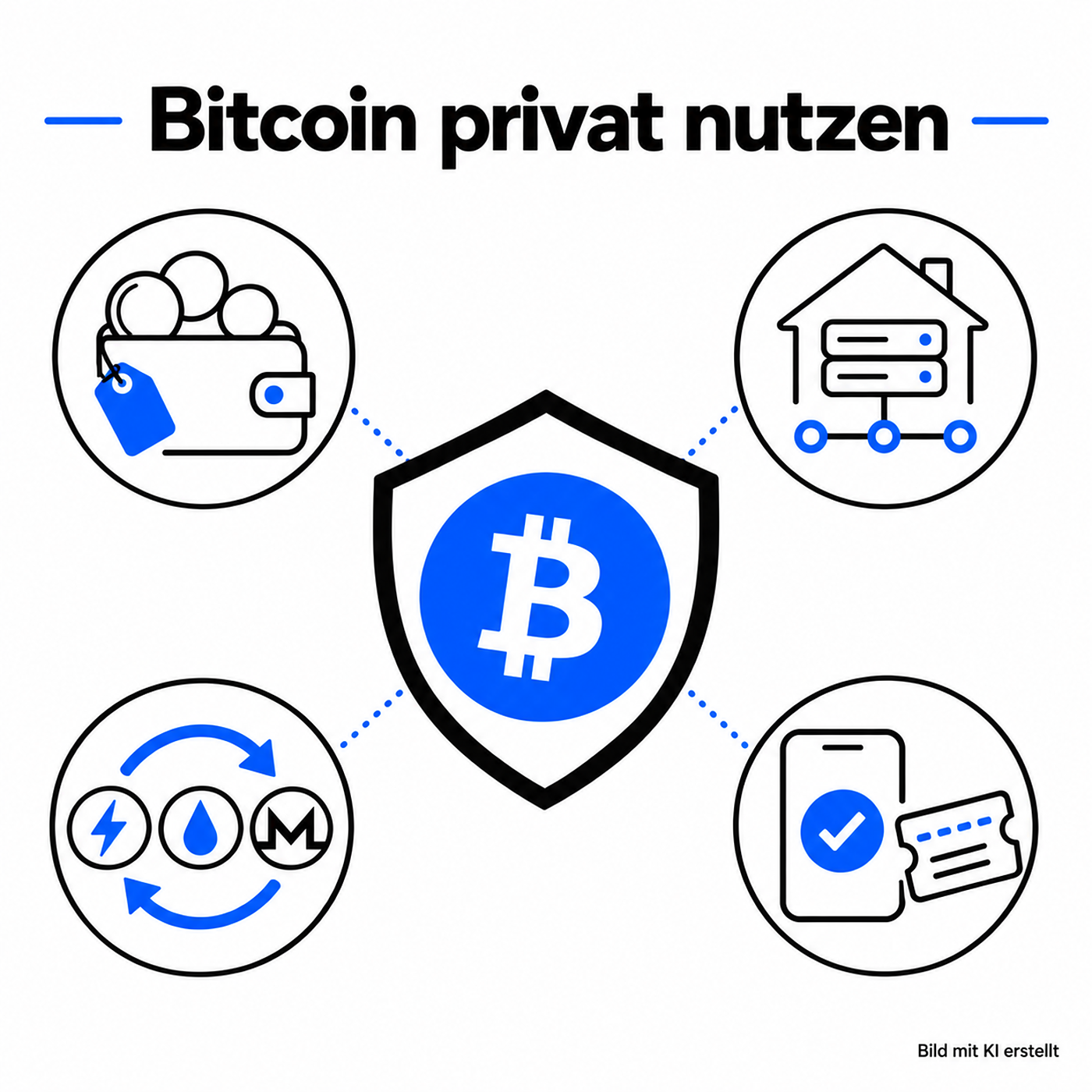
#022 Nur so sind deine Bitcoin wirklich privat
breakfree
#021 Dein Vermögen gehört nicht dir (mit einer einzigen Ausnahme)!
breakfree
#020 So bezahlst du, ohne Datenspuren zu hinterlassen
breakfree
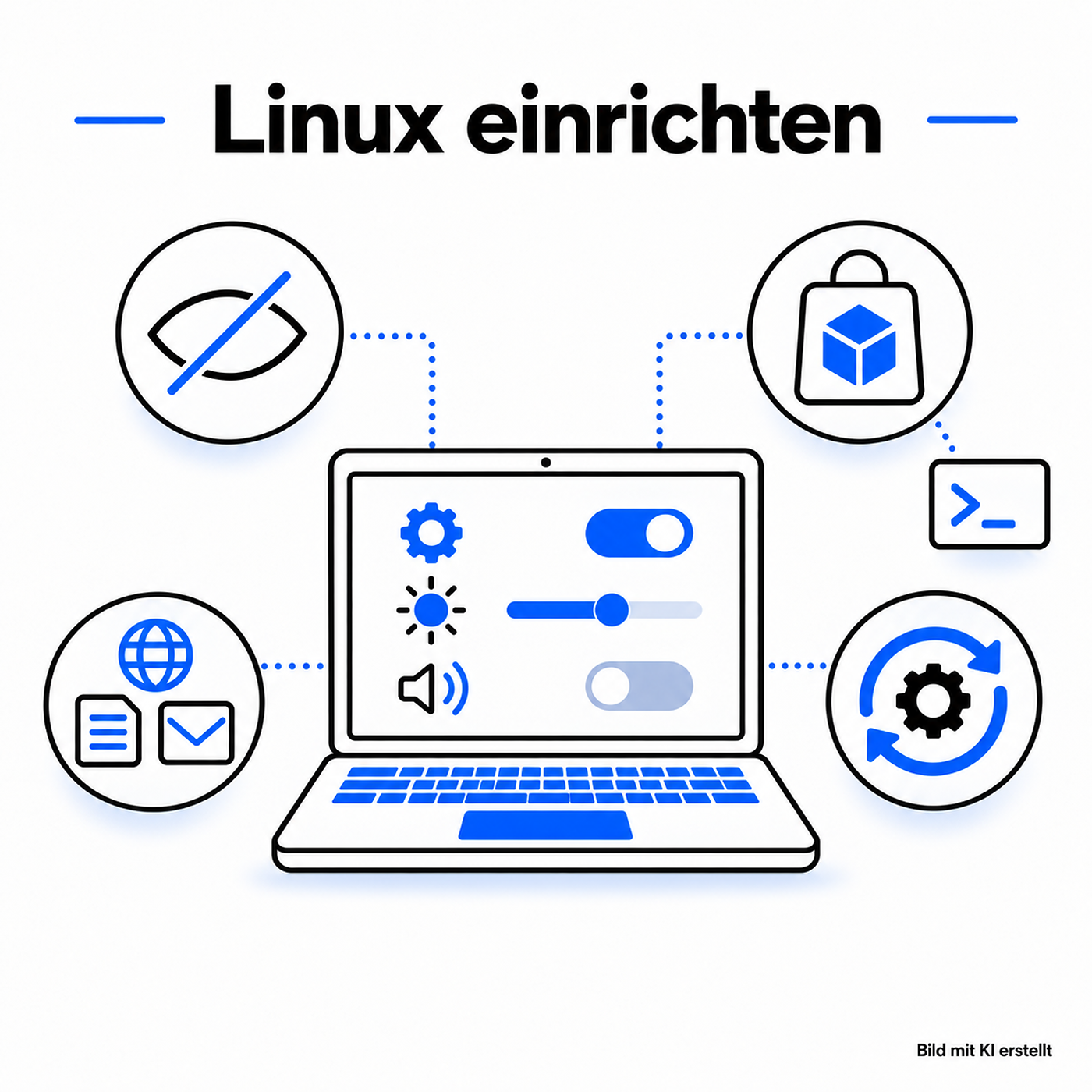
#019 Dein Laptop spioniert dich nicht mehr aus, ist dafür aber schneller
breakfree
#018 So entkommst du der Spyware von Microsoft und Apple
breakfree
#017 Der Algorithmus kontrolliert dich!
breakfree
#016 Wie gefährlich sind Updates wirklich?
breakfree
#015 Ist dein soziales Umfeld dein größtes Datenleck?
breakfree
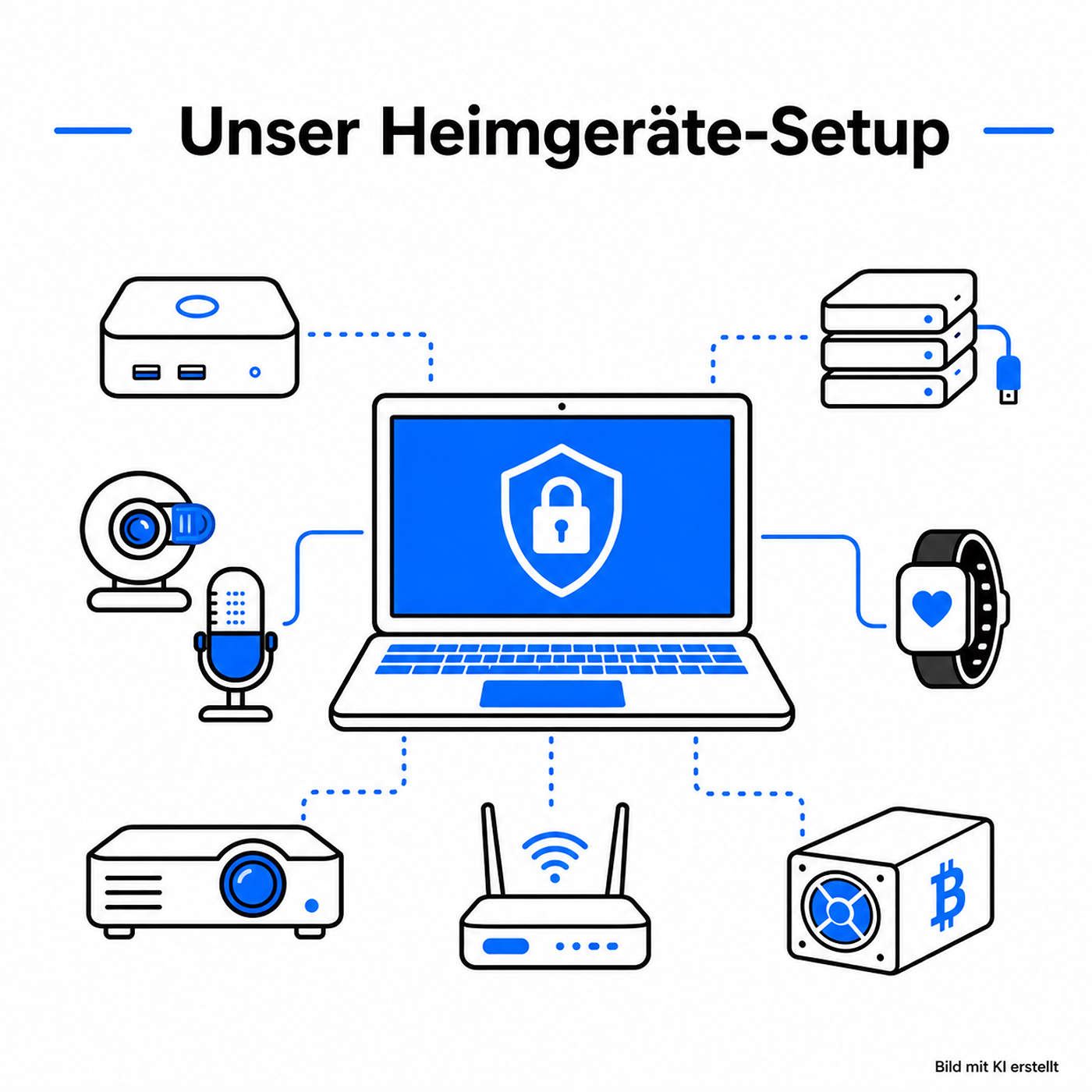
#014 Unsere Wohnungen sind voll mit Technik, aber nicht verwanzt
breakfree







MenschenPeople



PublikationenPublications
Alle ansehenView all


WirtschaftEconomics
Bitcoin Mining Economics in 2026: Who Actually Profits
vor 1 Woche1 w ago3 Min.3 min

Weiter durchs NetzwerkAcross the network
Noch mehr zu entdecken.Keep exploring.
6 Beiträge geladen.6 stories loaded.

Liana 16.0 brings taproot by default, 41 releases total
A heavy Wednesday across every beat, with AI and Privacy each posting a dozen-plus releases but little that changes operator behavior. The one security item is a Qubes OS bulletin on a grant-copy vulnerability tied to XSA-523, worth reading even outside the Xen crowd. Bitcoin's notable move is structural rather than urgent: Liana ships taproot-by-default in its installer alongside a UI rework, and Liana Business adds encrypted descriptor export. Everything else on the wire, from Ollama's model support bump to the StartOS registry-signing tools, reads as incremental maintenance rather than signal.

vor 22 Std.22 h ago5 Min.5 min

AI volume day, Tor Browser lands a real iOS plan
Fifteen of today's 33 releases come from AI tooling, almost all maintenance and compatibility work: llama.cpp, vLLM, Ollama, langchain and agent-SDK point bumps, no new model weights. Privacy posts the heaviest news item of the day outside the AI pile: Guardian Project's announcement of Project Cider, a plan to bring a full Tor Browser to iOS rather than the current workaround ecosystem. Bitcoin and self-hosting stay quiet, with Cashu's mint migration the one release worth flagging for operators before upgrading.
gesternyesterday4 Min.4 min

A Lightning CVE and the Tor Browser 16.0 jump
The dominant signal this week was a Lightning and Bitcoin wallet patch wave running in parallel with the tail end of the CA-compromise cleanup. Lightning Terminal shipped CVE-2026-98432 alongside bundled lnd, taproot-assets, loop, pool, and faraday updates, while Eclair, Ride The Lightning, and Envoy all pushed security-hardening releases in the same window. Sparrow Wallet's 2.5.6 release explicitly removed the eMudhra root certificates from its bundled store, confirming that cleanup is still working through the Bitcoin wallet layer a week after it first surfaced. The secondary signal was volume: AI again dominated story count at 62, driven by routine llama.cpp, langchain, and Hugging Face Transformers churn rather than anything structural. Self-hosting held steady with CalDAV and monitoring tooling (Radicale, DAVx5, Uptime Kuma, ntfy) shipping security-flagged point releases. Nostr stayed the quietest beat at 7 stories, mostly client patch releases with no CVEs. Bitcoin Core also shipped parallel 29.5 and 30.4 minor releases, keeping both maintained branches current. Unlike last week's single shared dependency failure, this week reads as normal maintenance cadence with one genuine CVE at the Lightning application layer.
vor 3 Tagen3 d ago8 Min.8 min

Two security patches, umbrelOS and Vaultwarden
Two disclosures anchor an otherwise routine Monday. umbrelOS 2.0.1 patches a kernel-level networking CVE and Vaultwarden 1.37.5 ships its own advisory fixes, both demanding prompt upgrades for self-hosters. The remaining nineteen releases are point updates and incremental features across AI, Nostr, Bitcoin and self-hosting tooling, with no new protocol changes or model launches. AI leads the volume with seven releases, all maintenance or compatibility work rather than new weights. Nostr clients post five updates, mostly UI and privacy tweaks.
vor 2 Tagen2 d ago2 Min.2 min

Quiet Sunday: eleven patch releases, nothing structural
A low-signal Sunday. Eleven items cross the wire, split across AI, Privacy and Self-hosting, and almost all of them are point releases or beta builds rather than new capability. Qwen Code ships both CLI and desktop builds at the same version, llama.cpp and Open Interpreter post routine internal updates, and the Privacy beat covers Yattee, SimpleX Chat and KeePassDX bug fixes. Self-hosting gets two maintenance releases from Uptime Kuma and ntfy. Bitcoin and Nostr each contribute a single alpha or patch release. Nothing here carries a security disclosure or protocol change worth flagging; it reads as routine upkeep across the stack.
vor 3 Tagen3 d ago2 Min.2 min

Maintenance day: 21 releases, no new capability
A high-volume but low-drama day. Twenty-one releases cross the wire, led by AI coding-agent tooling and Self-hosting point updates, but almost none of it ships new user-facing capability. AI's seven items are patch and internal-build notes from opencode, llama.cpp, and the Claude/MiniMax/Kimi coding SDKs, not model drops. Bitcoin sees Lightning Terminal roll up lnd, loop, pool and faraday into one bundled release, flagged for a security fix, alongside wallet polish from Bitcoin Keeper, Cake Wallet and Nunchuk Desktop. Privacy's showing is a Tor Browser 16.0 inherited by Tails, plus routine Signal and Cryptomator builds. Bitcoin Optech's newsletter is the one item carrying real protocol substance, covering a multiparty silent-payments proposal and a disclosed Core Lightning DoS bug.
vor 4 Tagen4 d ago3 Min.3 min