
Heute auf DiscoverToday on Discover
Entdecke, was andere bewegt.Find what moves people.
Geschichten, Gespräche und Ideen aus dem offenen Netz.Stories, conversations and ideas from the open web.
 HörbuchAudiobookDas verlorene Bit der Berufung_Teil-1

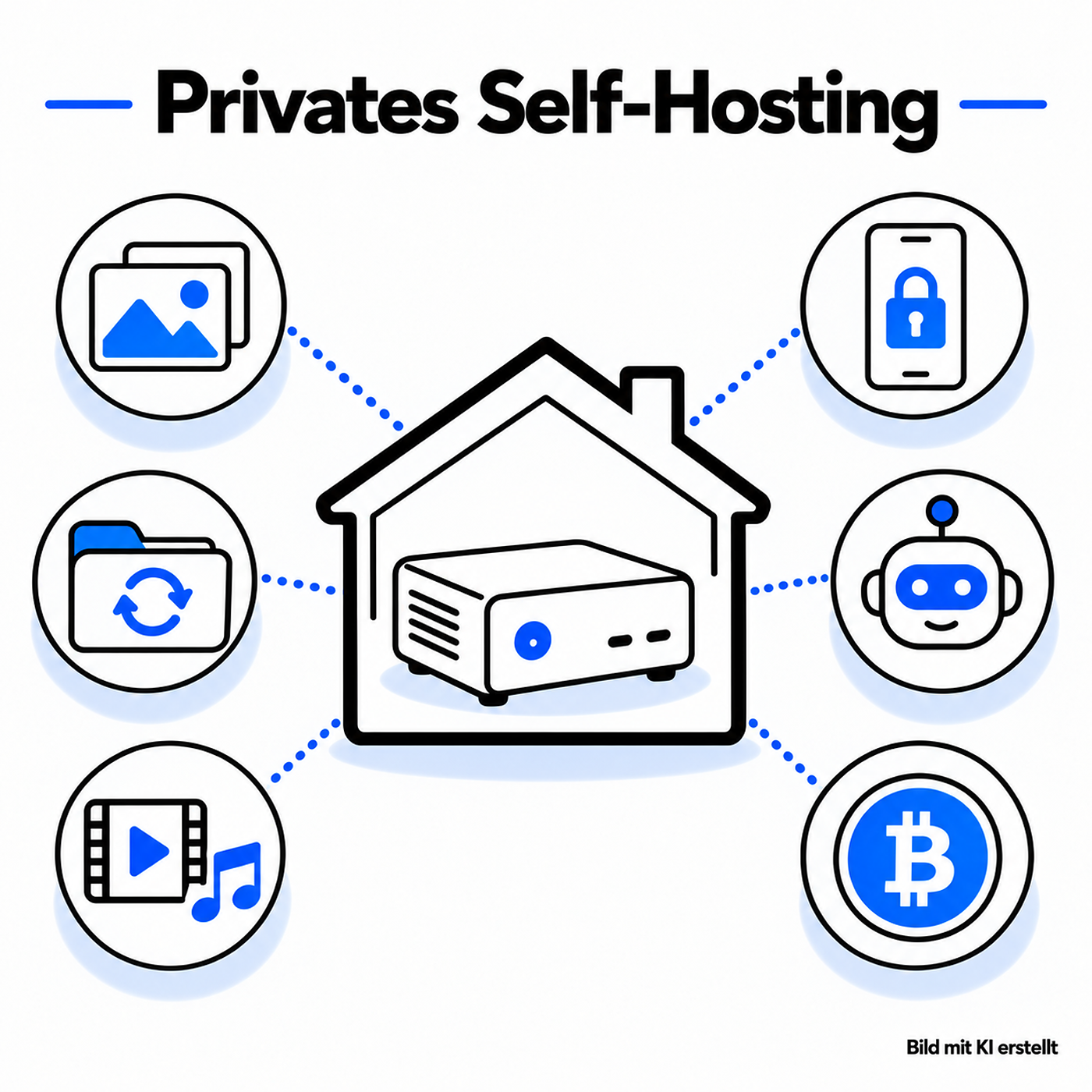 FolgeEpisode#024 Hol dir die Kontrolle über deine Dateien zurück mit deinem eigenen Home-Server
 ArtikelArticleIn Search of Freedom: Life, Death, and Sovereignty in the Himalaya

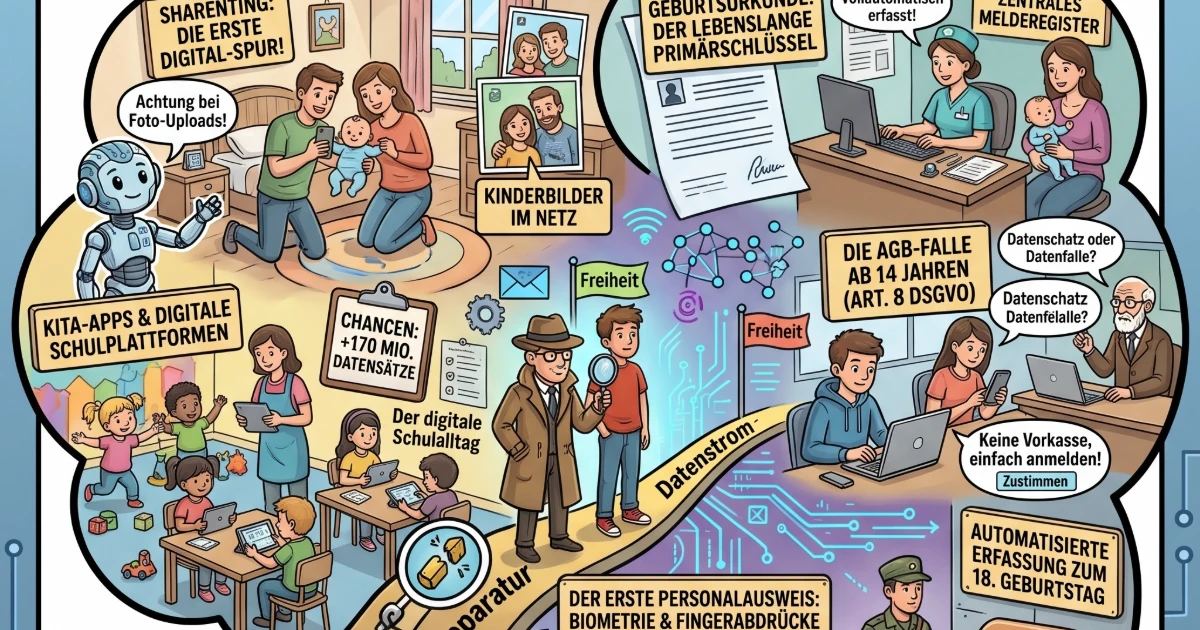 HörbuchAudiobookDer gläserne Mensch - Aza und Avatar - Die Bytes Detektive
 HörbuchAudiobookDas verlorene Bit der Berufung _ Teil-2
GeldMoney


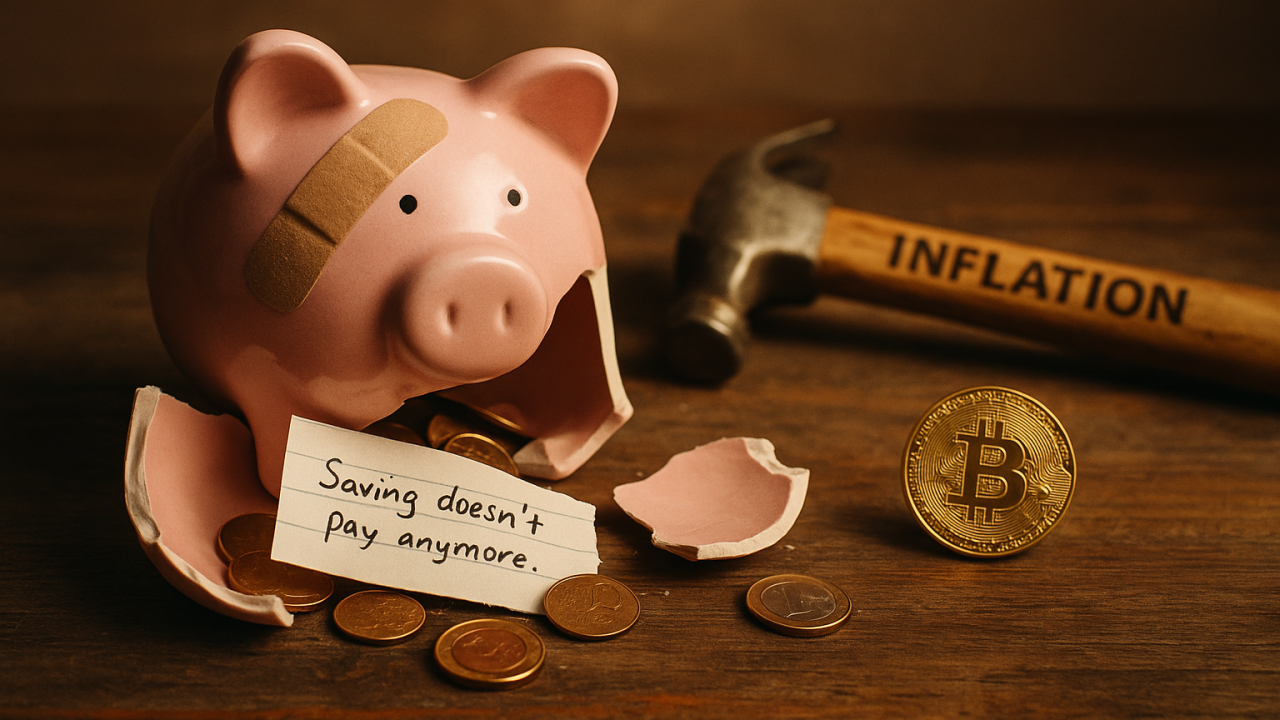
What Bitcoin Taught Me About Patience, Consumption, and True Independence
vor 15 Mon.15 mo ago8 Min.8 min
Neu zum HörenNew to listen
Alles in HörenAll in Listen#023 Deine SIM-Karte verrät dich!
breakfree
#022 Nur so sind deine Bitcoin wirklich privat
breakfree
#021 Dein Vermögen gehört nicht dir (mit einer einzigen Ausnahme)!
breakfree
#020 So bezahlst du, ohne Datenspuren zu hinterlassen
breakfree
#019 Dein Laptop spioniert dich nicht mehr aus, ist dafür aber schneller
breakfree
#018 So entkommst du der Spyware von Microsoft und Apple
breakfree
#017 Der Algorithmus kontrolliert dich!
breakfree
#016 Wie gefährlich sind Updates wirklich?
breakfree
#015 Ist dein soziales Umfeld dein größtes Datenleck?
breakfree
#014 Unsere Wohnungen sind voll mit Technik, aber nicht verwanzt
breakfree












MenschenPeople


PublikationenPublications
Alle ansehenView all


WirtschaftEconomics
Bitcoin Mining Economics in 2026: Who Actually Profits
vor 1 Woche1 w ago3 Min.3 min

Weiter durchs NetzwerkAcross the network
Noch mehr zu entdecken.Keep exploring.
6 Beiträge geladen.6 stories loaded.

The M2M Endgame: Why Recursive AI Could Make Europe Structurally Irrelevant
Recursive AI, robotics, and machine-to-machine systems are not just automating work. They are changing the speed and architecture of the economy itself. As AI increasingly helps build better AI, development cycles can compress and technological progress can compound. In that environment, Europe’s main risk is not technological extinction, but structural irrelevance: institutions that move in years attempting to govern systems that evolve in months and operate in seconds. The deeper problem is economic. If machines generate more output while human labor becomes less central, the wage → consumption → tax loop that finances modern welfare states begins to weaken. At the same time, strategic power shifts toward energy, compute, chips, infrastructure, robotics, and ownership. Europe does not need to collapse overnight to lose relevance. It only needs to compound more slowly than the systems defining the next economy.

vor 1 Mon.1 mo ago5 Min.5 min

The Mathematical Collapse: Why Europe Cannot Survive the Exponential AI Curve
How near-zero-cost cognitive labor collides with a welfare state built around taxing human work.
vor 1 Mon.1 mo ago4 Min.4 min
Shaun Rein on China and the Chaotic World Order, Compared With Our Own Reading
A China analyst with three decades on the ground makes his case at full strength — the chaotic rather than new world order, the K-shaped economy, the chip boom the export controls created — and then meets this series' own document-built verdict. Where the two converge, the conclusions get stronger; where they part, one forecast is missing the variable that decides the decade.

vor 1 Mon.1 mo ago24 Min.24 min

Der Energiekrieg, der nicht zu gewinnen ist: Amerika kehrt 1973 um
Washington führt einen Energiekrieg gegen Chinas Rohöllieferanten — und hat damit selbst die Straße von Hormus gelähmt, die Golfverbündeten verbrannt und Europa in einen Krieg getrieben, den es sich nicht leisten kann. 1973 drehten die Produzenten den Hahn zu; 2026 ist der Konsument der Aggressor — und am Ende legt ein anderer das neue Fundament.

vor 1 Mon.1 mo ago8 Min.8 min

The Energy War That Cannot Be Won: America Inverts 1973
Washington is waging an energy war — blockading China's crude suppliers — that has instead paralyzed the Strait of Hormuz, burned its Gulf allies and left Europe funding a conflict it cannot afford. In 1973 the producers turned the tap; in 2026 the consumer is the aggressor, and when the taps turn again it will not be America that lays the new foundation.
vor 1 Mon.1 mo ago8 Min.8 min

The Grammar of Annihilation: What Trump's Iran Threat Actually Signals
Trump's threat to annihilate the Islamic Republic, delivered at the UN, is not the language of supreme confidence — it is the language of a power that has exhausted every other register. Read against the geometry of the conflict — chokepoints, tanker counts, an undeclared war — the ultimatum signals weakness, not strength.
vor 1 Mon.1 mo ago8 Min.8 min