
Heute auf DiscoverToday on Discover
Entdecke, was andere bewegt.Find what moves people.
Geschichten, Gespräche und Ideen aus dem offenen Netz.Stories, conversations and ideas from the open web.
 HörbuchAudiobookDas verlorene Bit der Berufung_Teil-1

 FolgeEpisode#024 Hol dir die Kontrolle über deine Dateien zurück mit deinem eigenen Home-Server

 ArtikelArticleIn Search of Freedom: Life, Death, and Sovereignty in the Himalaya

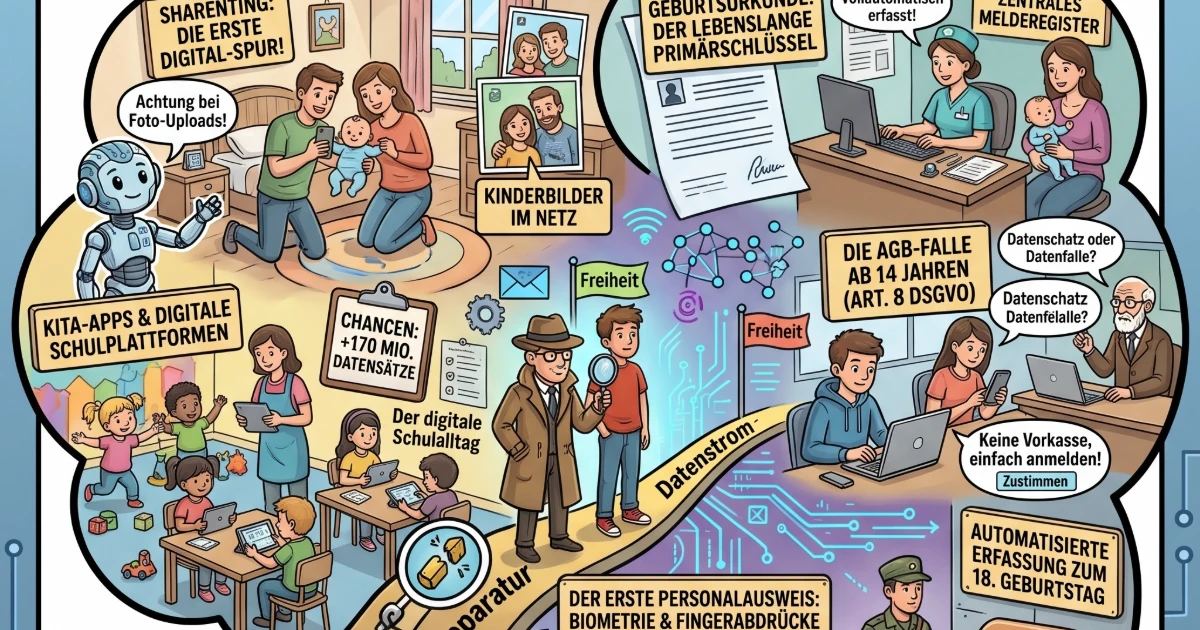 HörbuchAudiobookDer gläserne Mensch - Aza und Avatar - Die Bytes Detektive
 HörbuchAudiobookDas verlorene Bit der Berufung _ Teil-2
GeldMoney



What Bitcoin Taught Me About Patience, Consumption, and True Independence
vor 15 Mon.15 mo ago8 Min.8 min
Neu zum HörenNew to listen
Alles in HörenAll in Listen#023 Deine SIM-Karte verrät dich!
breakfree
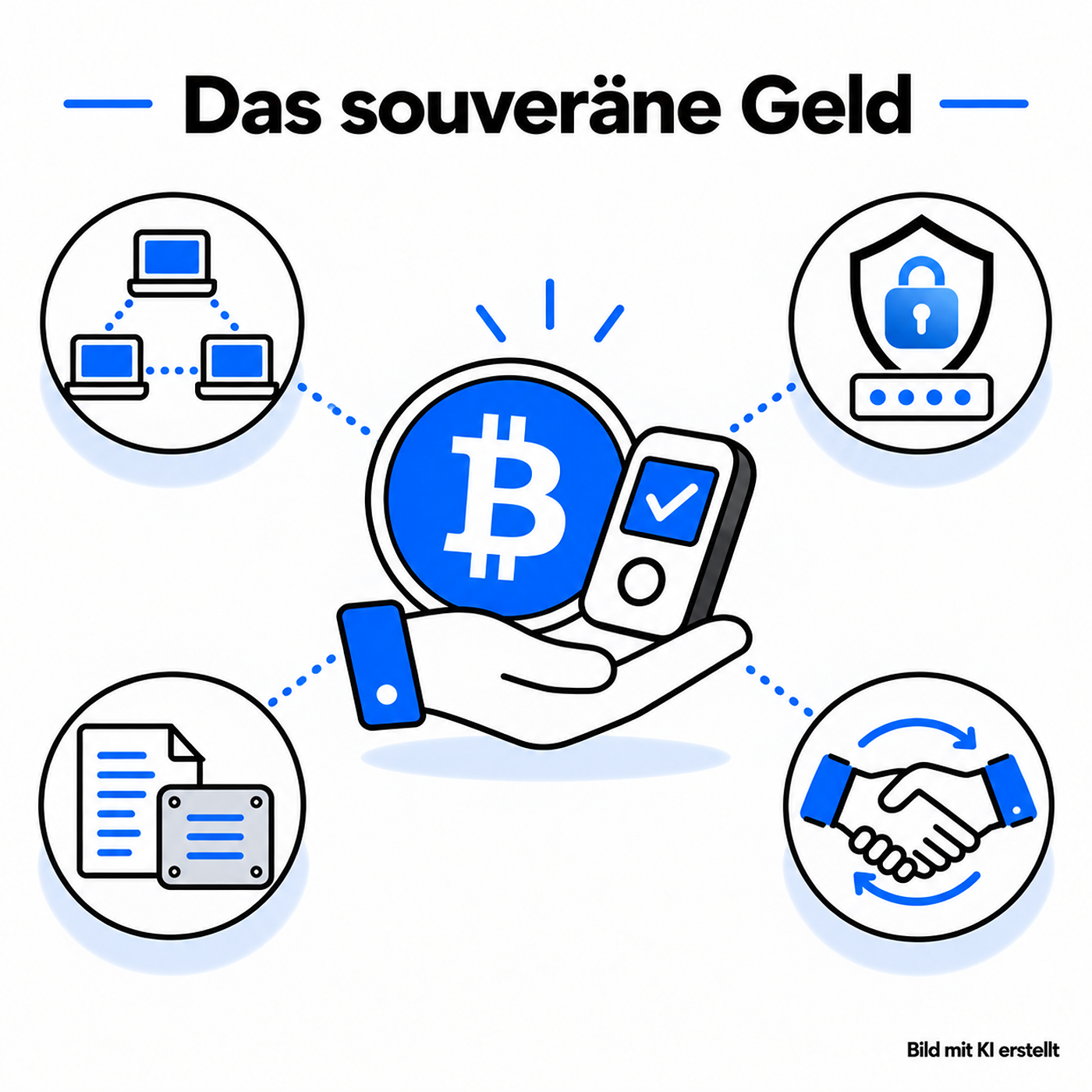
#022 Nur so sind deine Bitcoin wirklich privat
breakfree
#021 Dein Vermögen gehört nicht dir (mit einer einzigen Ausnahme)!
breakfree
#020 So bezahlst du, ohne Datenspuren zu hinterlassen
breakfree
#019 Dein Laptop spioniert dich nicht mehr aus, ist dafür aber schneller
breakfree
#018 So entkommst du der Spyware von Microsoft und Apple
breakfree
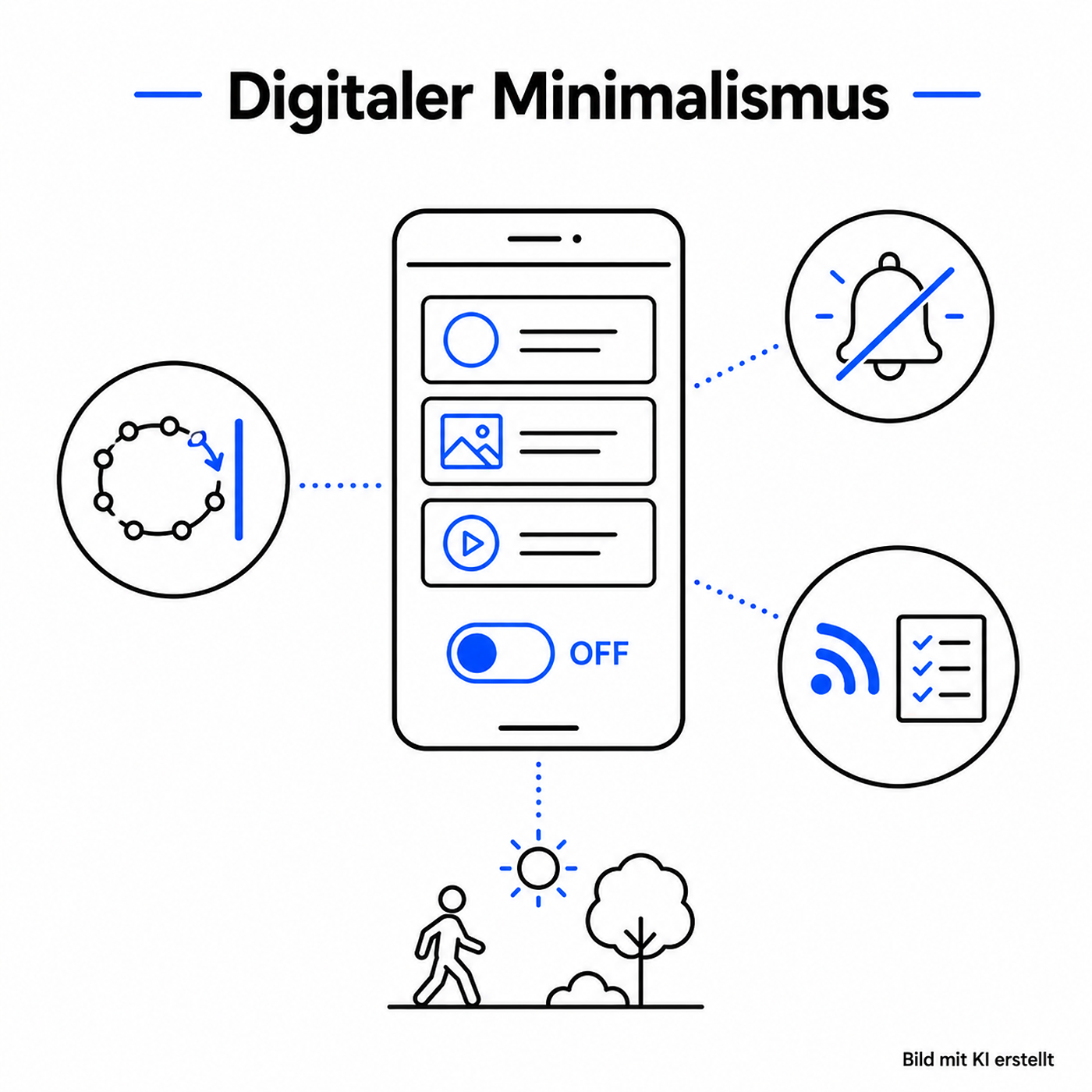
#017 Der Algorithmus kontrolliert dich!
breakfree
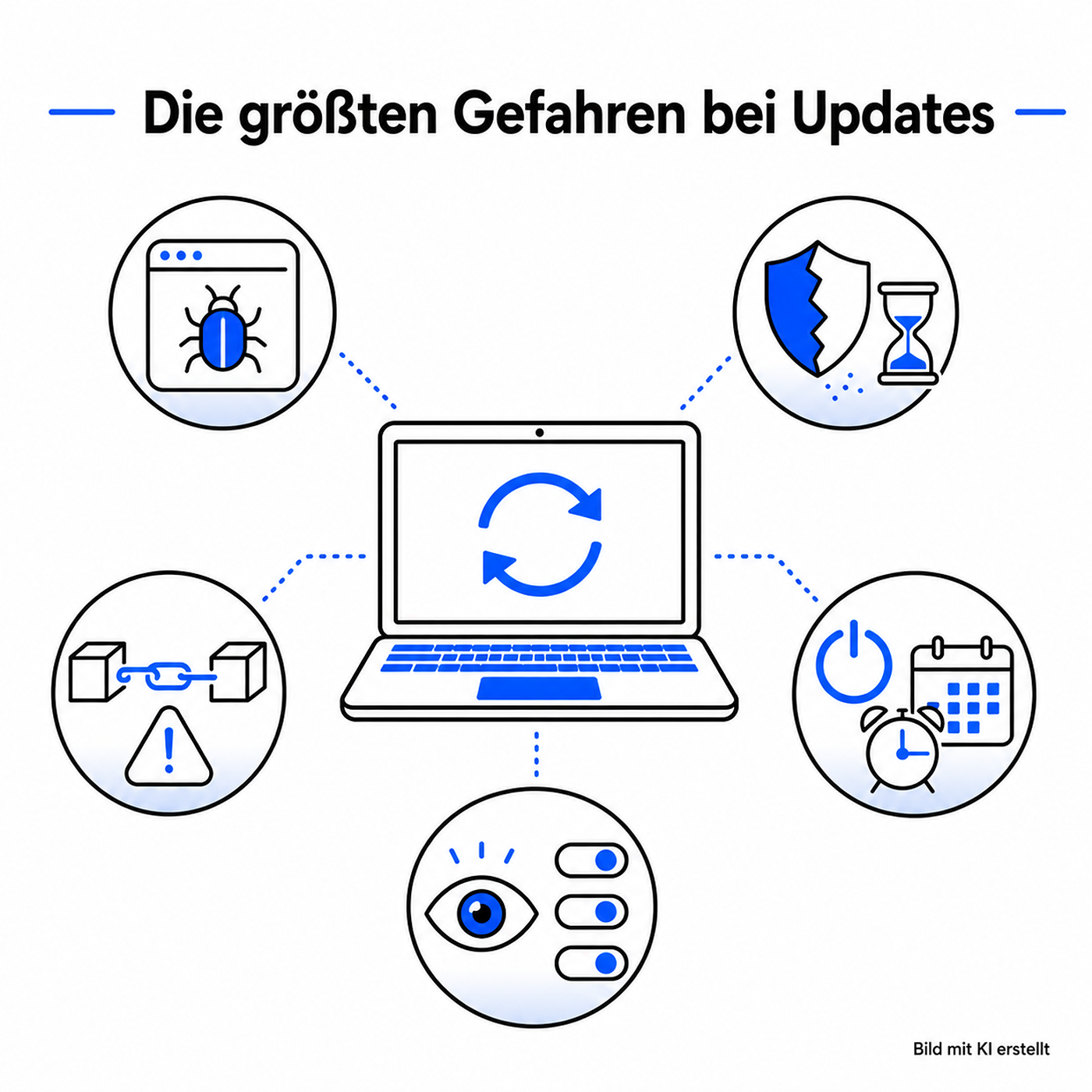
#016 Wie gefährlich sind Updates wirklich?
breakfree
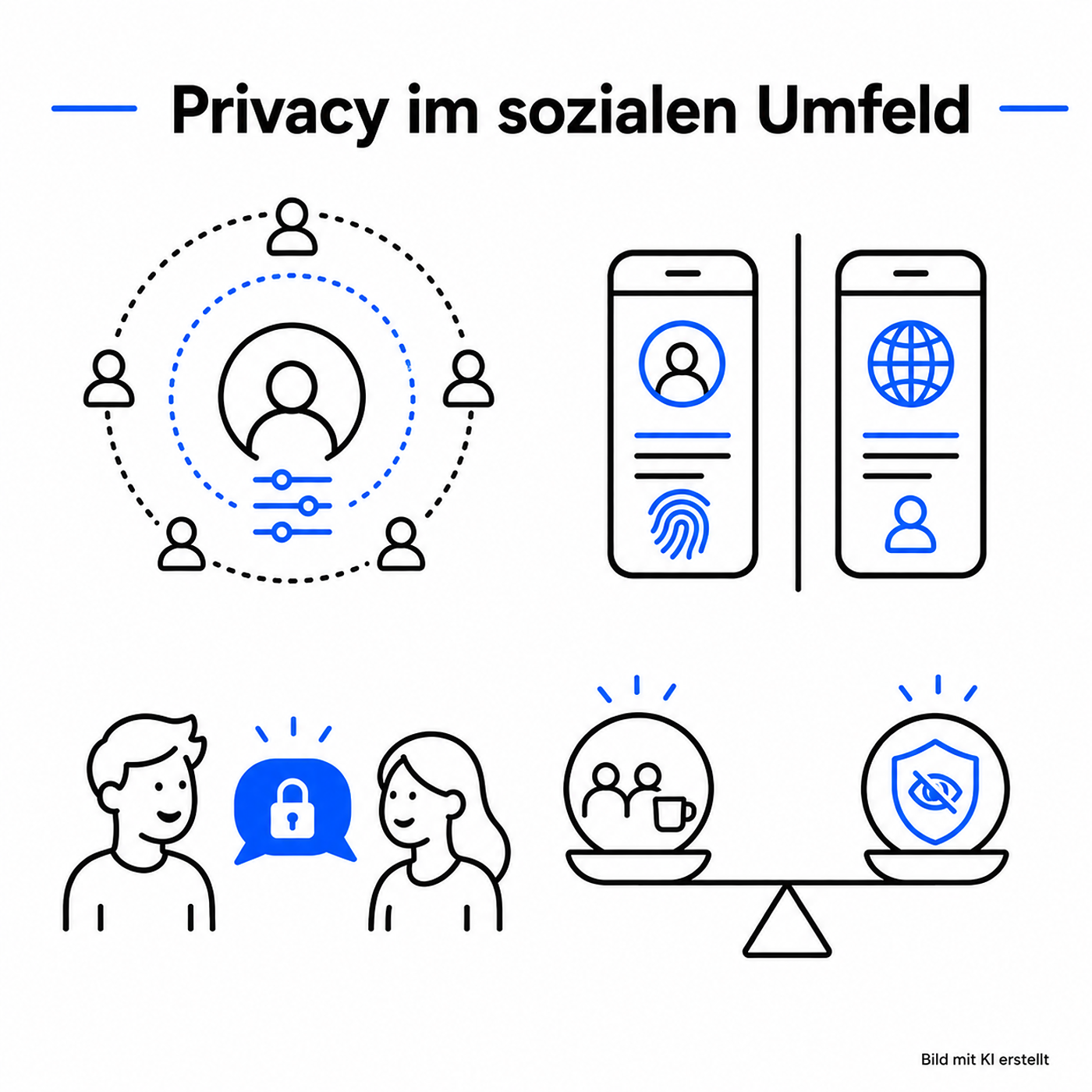
#015 Ist dein soziales Umfeld dein größtes Datenleck?
breakfree
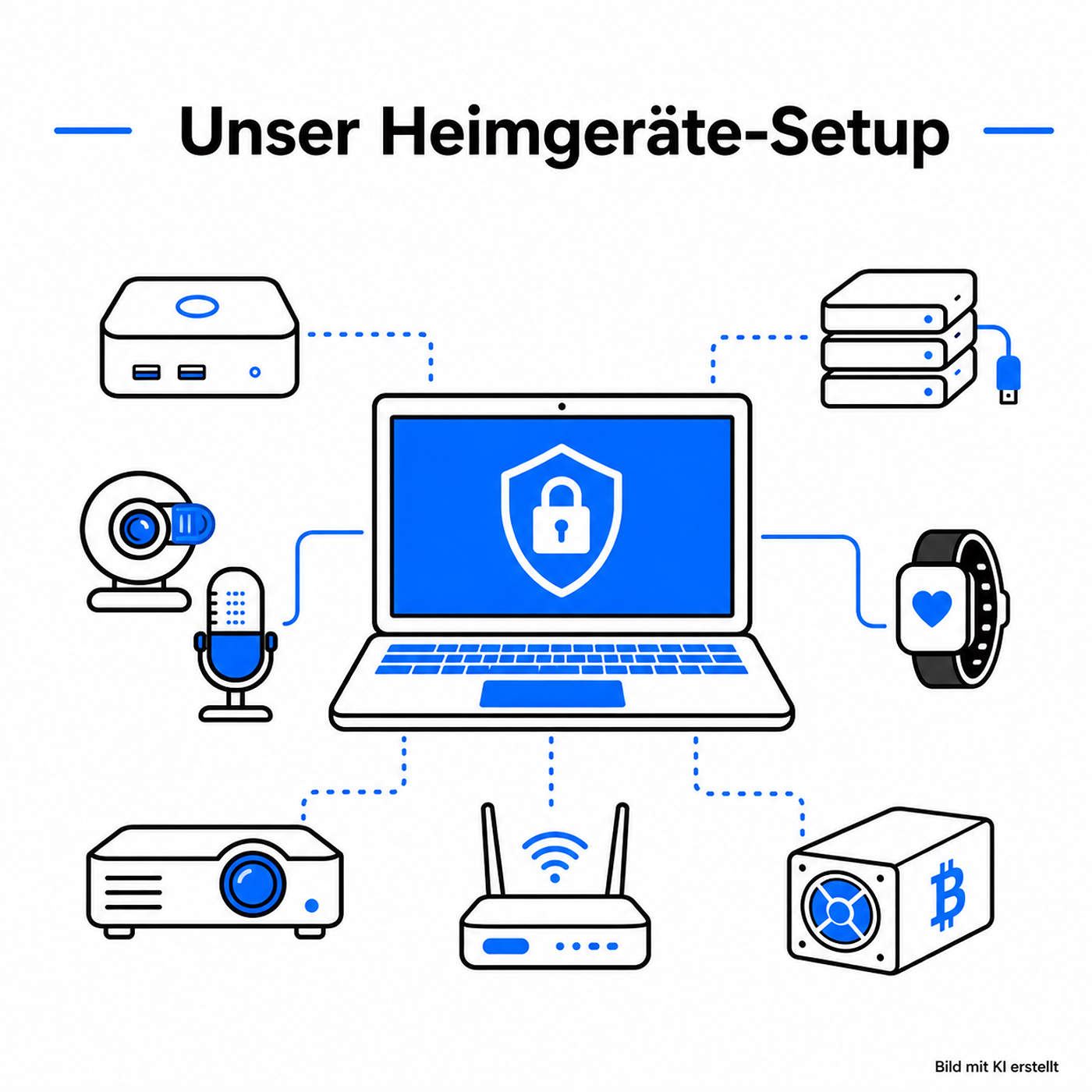
#014 Unsere Wohnungen sind voll mit Technik, aber nicht verwanzt
breakfree









MenschenPeople



PublikationenPublications
Alle ansehenView all


WirtschaftEconomics
Bitcoin Mining Economics in 2026: Who Actually Profits
vor 1 Woche1 w ago3 Min.3 min

Weiter durchs NetzwerkAcross the network
Noch mehr zu entdecken.Keep exploring.
2 Beiträge geladen.2 stories loaded.
🔒 Buiding Continuum - Chapter 12 — Rotation and the Fear of Exposure
Key rotation in cryptographic identity systems does not merely replace a secret — it creates an entirely new key pair and therefore a new public identity. In Nostr, that means a new npub. Security improves, but continuity fractures. At the time of writing, Continuum does not yet implement formal rotation workflows, but the architectural pressure is clear. This chapter explores the tension between safety and continuity, why rotation is unavoidable in long-lived sovereign systems, and how identity must be understood as integrity across multiple key pairs over time.

vor 8 Mon.8 mo ago1 Min.1 min

On Identity, Keys, and Key rotation.
In this article I argue that identity is rooted in expression and relationships rather than cryptographic keys, and propose leveraging webs of trust and Musig-based associations to enable resilient identity continuity and key rotation.

vor 14 Mon.14 mo ago17 Min.17 min