
Heute auf DiscoverToday on Discover
Entdecke, was andere bewegt.Find what moves people.
Geschichten, Gespräche und Ideen aus dem offenen Netz.Stories, conversations and ideas from the open web.
 HörbuchAudiobookDas verlorene Bit der Berufung_Teil-1

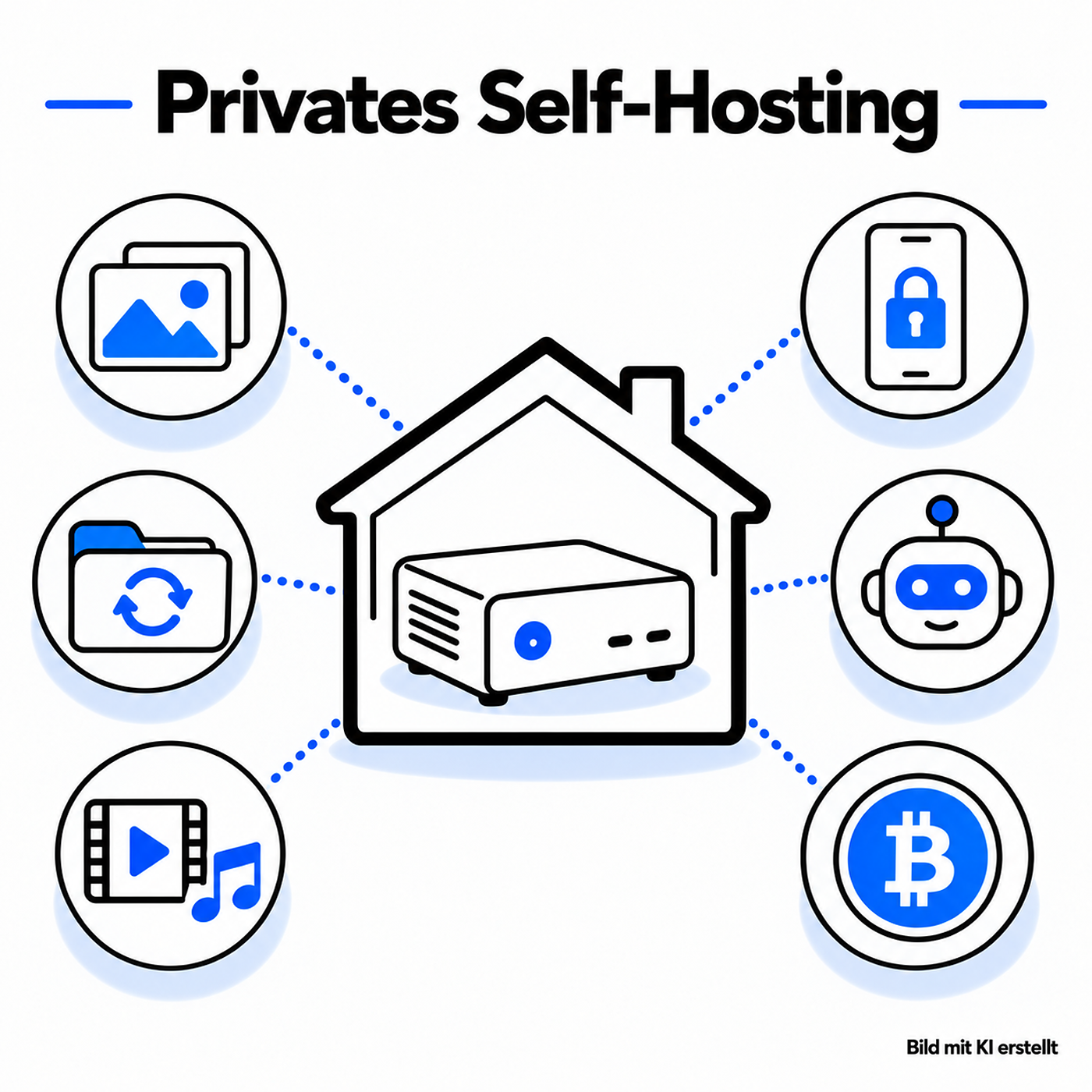 FolgeEpisode#024 Hol dir die Kontrolle über deine Dateien zurück mit deinem eigenen Home-Server

 ArtikelArticleIn Search of Freedom: Life, Death, and Sovereignty in the Himalaya

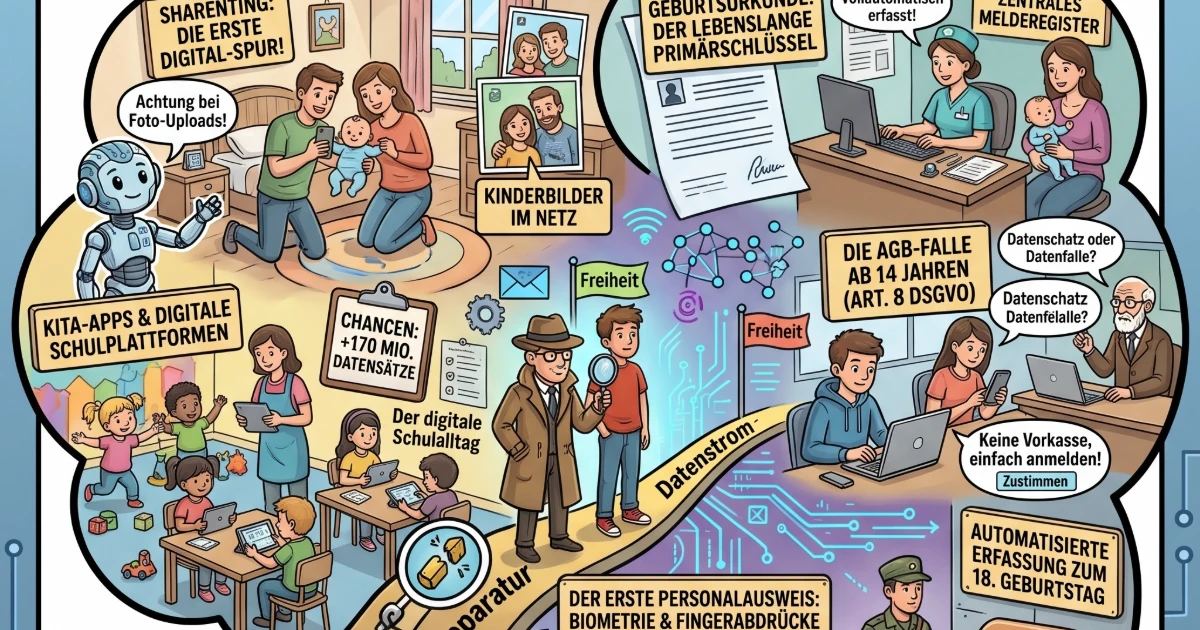 HörbuchAudiobookDer gläserne Mensch - Aza und Avatar - Die Bytes Detektive
 HörbuchAudiobookDas verlorene Bit der Berufung _ Teil-2
GeldMoney



What Bitcoin Taught Me About Patience, Consumption, and True Independence
vor 15 Mon.15 mo ago8 Min.8 min
Neu zum HörenNew to listen
Alles in HörenAll in Listen#023 Deine SIM-Karte verrät dich!
breakfree
#022 Nur so sind deine Bitcoin wirklich privat
breakfree
#021 Dein Vermögen gehört nicht dir (mit einer einzigen Ausnahme)!
breakfree
#020 So bezahlst du, ohne Datenspuren zu hinterlassen
breakfree
#019 Dein Laptop spioniert dich nicht mehr aus, ist dafür aber schneller
breakfree
#018 So entkommst du der Spyware von Microsoft und Apple
breakfree
#017 Der Algorithmus kontrolliert dich!
breakfree
#016 Wie gefährlich sind Updates wirklich?
breakfree
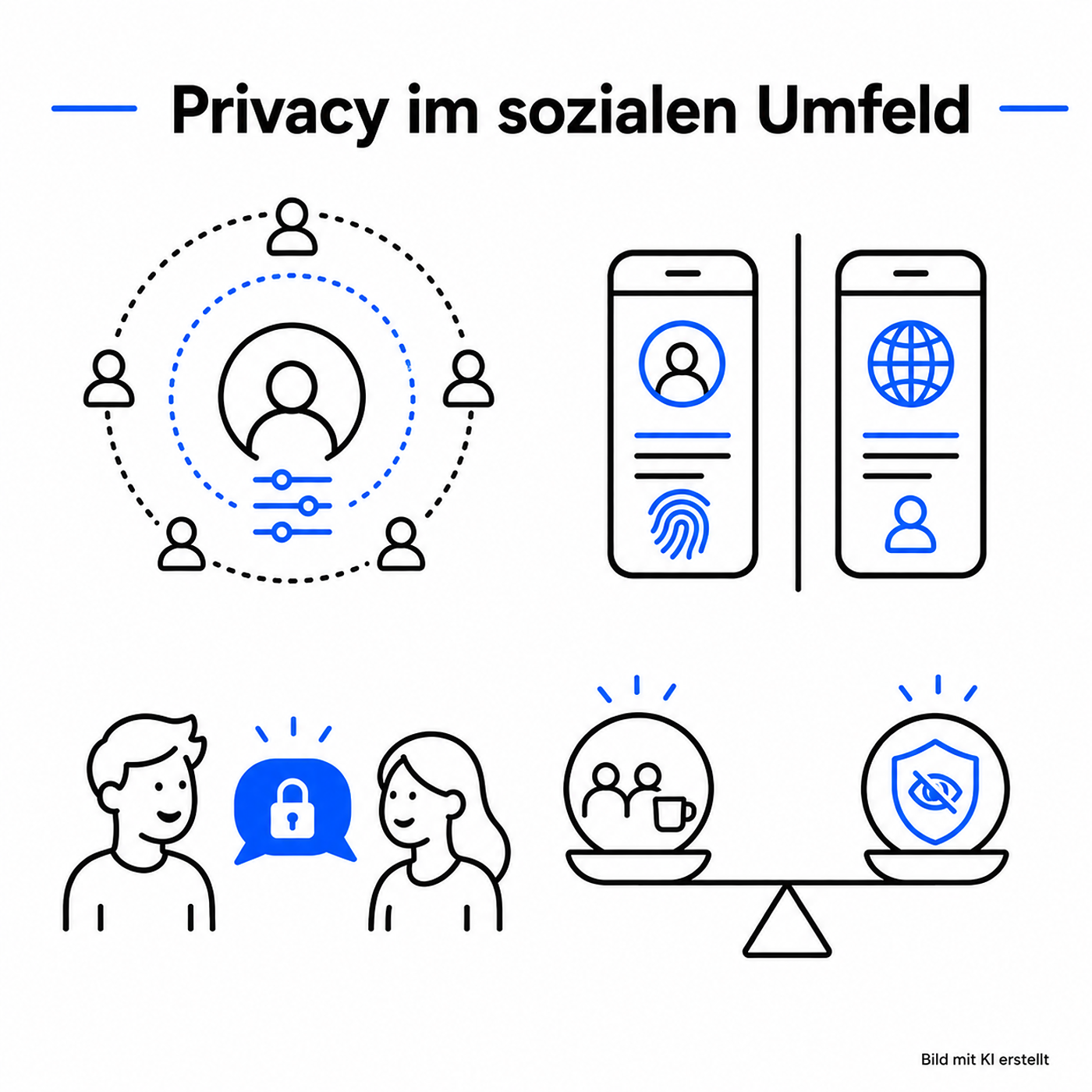
#015 Ist dein soziales Umfeld dein größtes Datenleck?
breakfree
#014 Unsere Wohnungen sind voll mit Technik, aber nicht verwanzt
breakfree










MenschenPeople



PublikationenPublications
Alle ansehenView all


WirtschaftEconomics
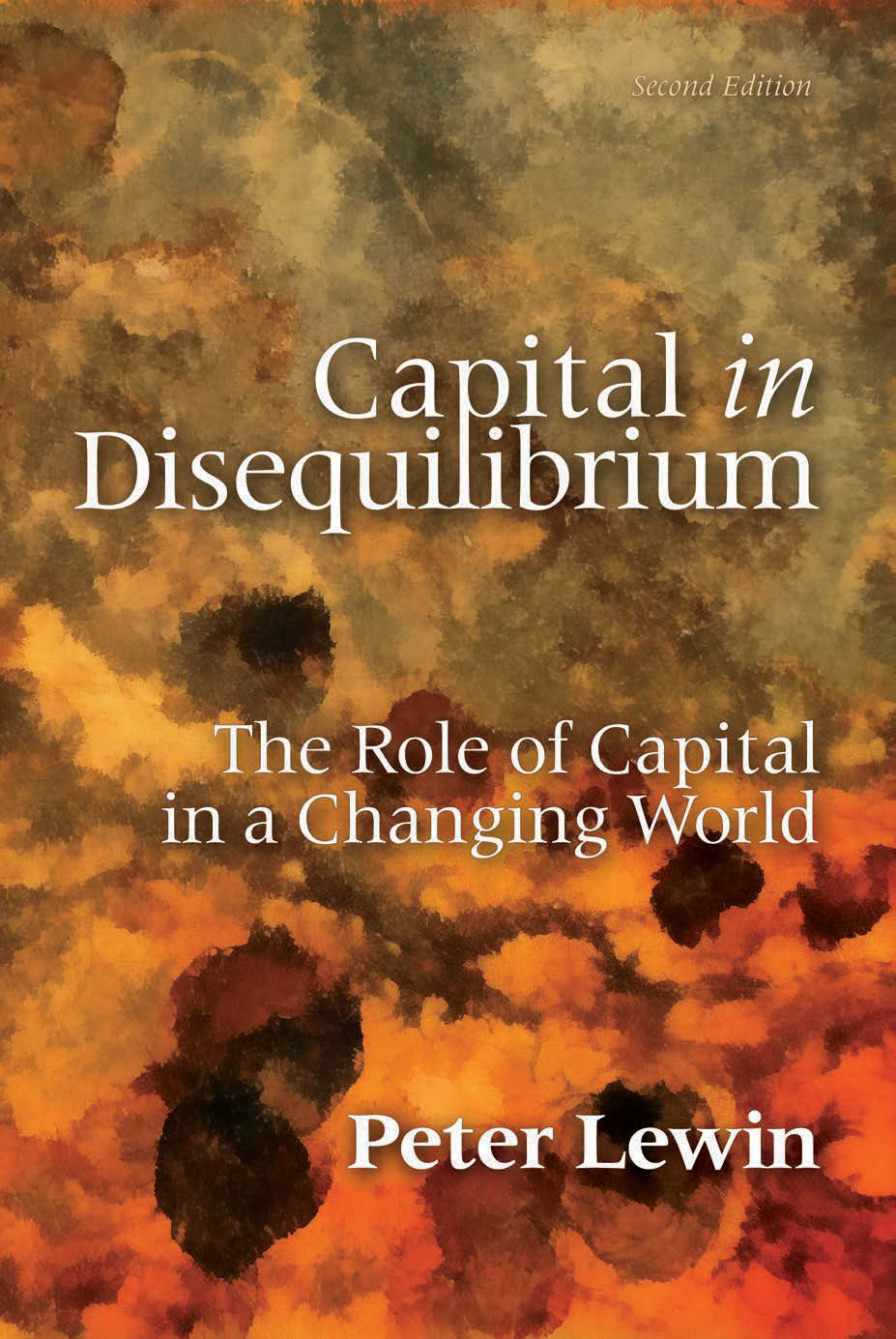
Bitcoin Mining Economics in 2026: Who Actually Profits
vor 1 Woche1 w ago3 Min.3 min

Weiter durchs NetzwerkAcross the network
Noch mehr zu entdecken.Keep exploring.
6 Beiträge geladen.6 stories loaded.

THE LIFE OF AN INDUSTRIALISED PROGRAMMER
The Life of an Industrialised Programmer From women's work to disposable human infrastructure. 1843: Ada Lovelace imagines a world of computation before the machine even exists. 1940s: Programming is often classified as women's work. Women develop algorithms, operate early computers and solve problems nobody has solved before. Management frequently treats it as clerical labour. 1950s–60s: Grace Hopper helps revolutionise programming languages. Margaret Hamilton helps put humans on the Moon. Software is suddenly recognised as critical engineering. The profession gains prestige. The gatekeepers arrive. 1970s–80s: Computing becomes institutionalised. The programmer becomes a professional identity. Computers are increasingly marketed to boys. 1990s: The great object-oriented industrial revolution. Objects need factories. Factories need interfaces. Interfaces need architects. Architects need managers. Managers need meetings. Somewhere in the process, the original problem disappears beneath the abstractions. 2000s: The software factory. Agile. Scrum. Stand-ups. Sprints. Story points. Velocity. The programmer becomes an interchangeable unit of delivery capacity. Human intelligence, measured in Jira tickets. 2010s: The cloud cathedral. Microservices. Containers. Kubernetes. YAML. DevOps. Entire teams maintain infrastructure for software nobody fully understands anymore. Production fails at 3 AM. The programmer wakes up. Management calls it ownership. 2020s: The final industrial insult. After decades of reducing programmers to mechanical units of production, the industry announces that machines can now perform their mechanical tasks. The executives celebrate. The programmer develops back pain. The AI generates code. The enterprise generates meetings. The production incident still requires a human. And somewhere, another Jira ticket is born. THEN COMES THE REVELATION. An exhausted programmer discovers Erlang. A language developed back in the 1980s. Processes. Message passing. Isolation. Supervision. Recovery. He reads Joe Armstrong. "Let it crash." Twenty years of enterprise architecture suddenly flash before his eyes. It was there all along. The alternative wasn't waiting to be invented. It was waiting to be understood. And that's the tragedy. The pioneers of computing were exploring the foundations of computation itself. The industrialised programmer inherited factories, frameworks, methodologies and an infinite backlog. We confused industrialising software production with advancing computer science. Now we're industrialising intelligence itself. Perhaps it's time we returned to the foundations. The programmer closes Jira. Opens Erlang. And begins again. The supervision tree is alive. The realm is locked. THE VERIFIED SURVIVE. #Programming #SoftwareEngineering #WomenInComputing #Erlang #JoeArmstrong #BEAM #AI #ComputerScience #DistributedSystems #DamageBDD

vor 6 Tagen6 d ago3 Min.3 min
The soft-lock I could not tune away
A shipped game froze 2.2s in. Density sweeps were non-monotonic, so every tuning attempt was a lottery ticket. The fix was an inequality, not a value. Harness published and re-runnable.
vor 1 Mon.1 mo ago7 Min.7 min
How to Fine-Tune an AI Model - LoRA, Datasets & Cost (2026)
A practical guide to fine-tuning an open AI model: what LoRA and QLoRA do, how to build a training dataset, the hardware you need, and when…

vor 3 Mon.3 mo ago4 Min.4 min
How to Create Your Own Cryptocurrency - Token vs Coin (2026)
How to create your own cryptocurrency in 2026: the real difference between a token and a coin, how to issue an ERC-20 or BEP-20 token, what…
vor 3 Mon.3 mo ago4 Min.4 min
How to Build Your Own Blockchain From Scratch (2026 Guide)
Build a blockchain from scratch to truly understand it: blocks, hashing, proof-of-work, and a peer-to-peer network, explained step by step,…
vor 3 Mon.3 mo ago4 Min.4 min
How to Run Your Own Bitcoin Node (And Why It Matters) (2026)
Running your own Bitcoin node lets you verify transactions yourself instead of trusting anyone. A beginner guide to what a node does, the…
vor 3 Mon.3 mo ago4 Min.4 min