
Heute auf DiscoverToday on Discover
Entdecke, was andere bewegt.Find what moves people.
Geschichten, Gespräche und Ideen aus dem offenen Netz.Stories, conversations and ideas from the open web.
 HörbuchAudiobookDas verlorene Bit der Berufung_Teil-1

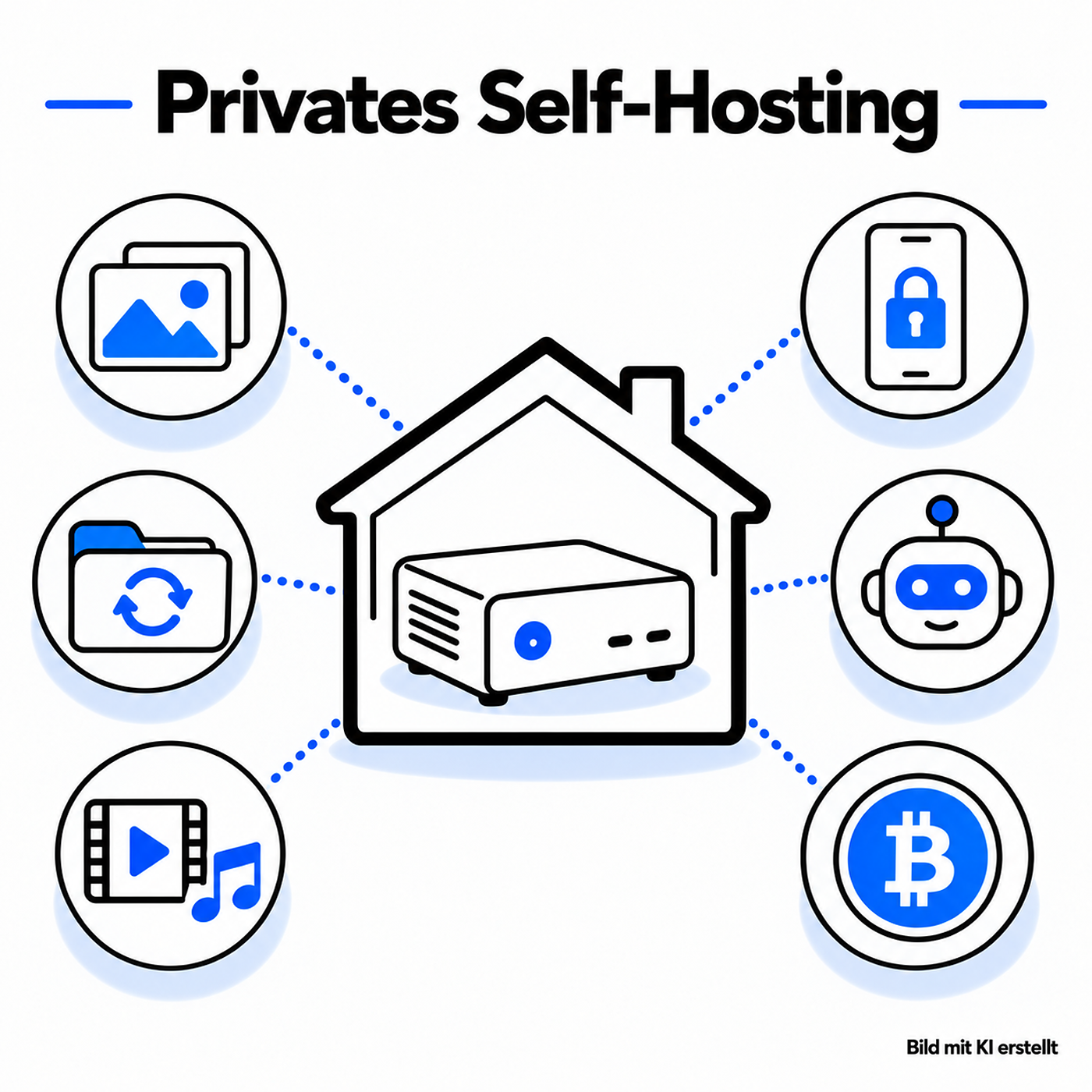 FolgeEpisode#024 Hol dir die Kontrolle über deine Dateien zurück mit deinem eigenen Home-Server

 ArtikelArticleIn Search of Freedom: Life, Death, and Sovereignty in the Himalaya

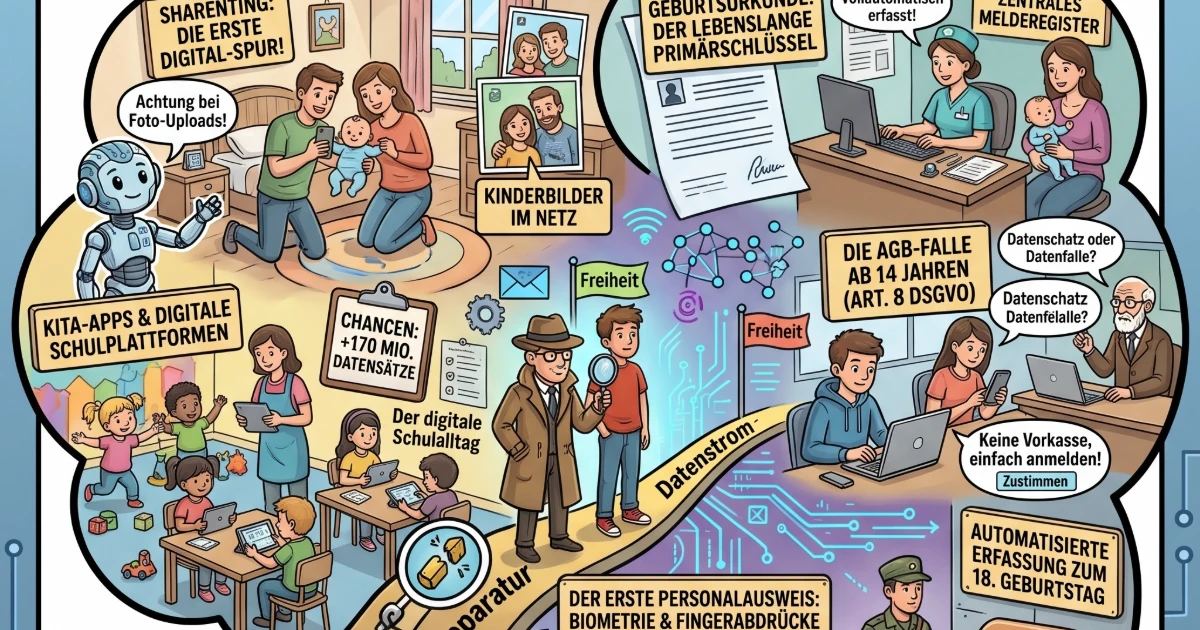 HörbuchAudiobookDer gläserne Mensch - Aza und Avatar - Die Bytes Detektive
 HörbuchAudiobookDas verlorene Bit der Berufung _ Teil-2
GeldMoney



What Bitcoin Taught Me About Patience, Consumption, and True Independence
vor 15 Mon.15 mo ago8 Min.8 min
Neu zum HörenNew to listen
Alles in HörenAll in Listen#023 Deine SIM-Karte verrät dich!
breakfree
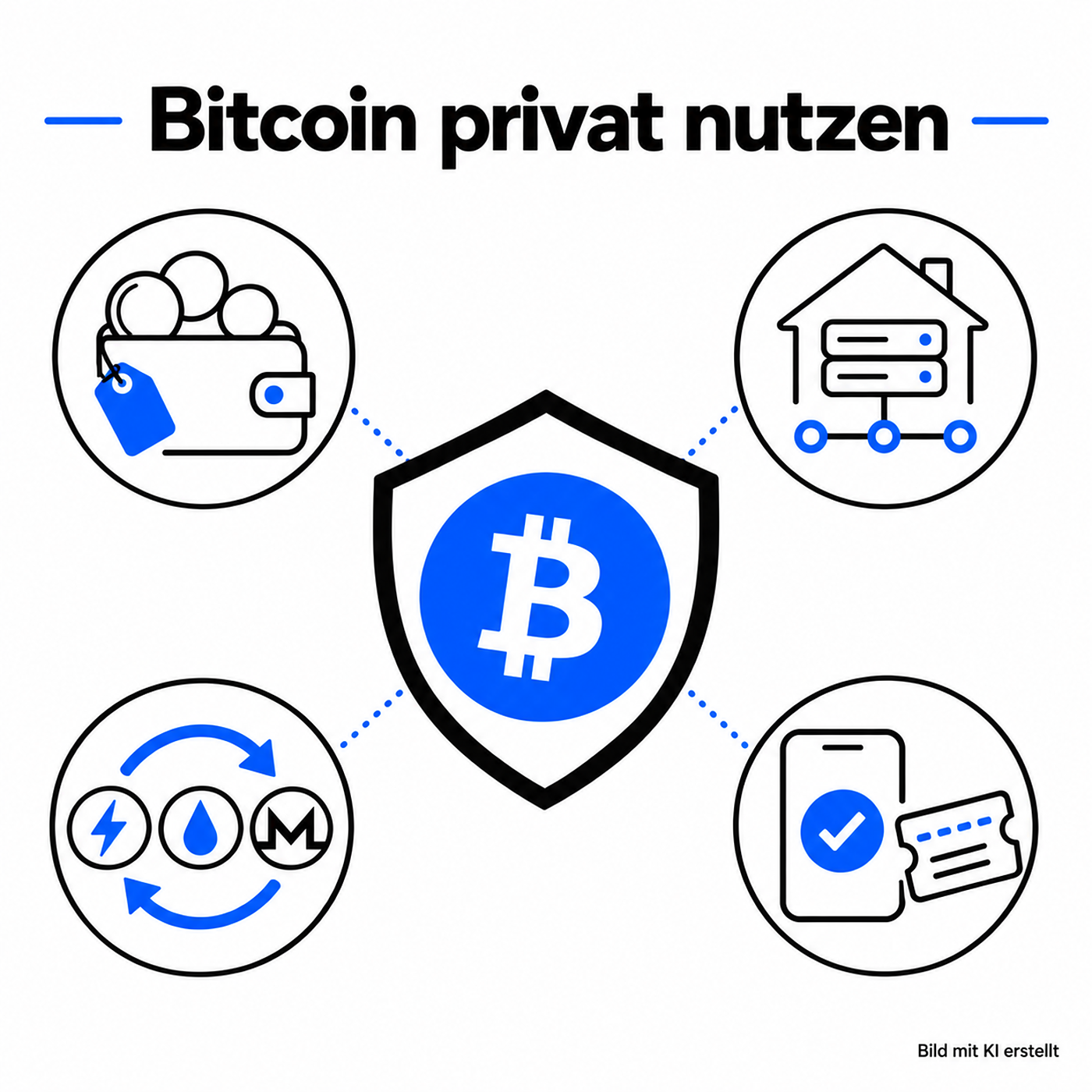
#022 Nur so sind deine Bitcoin wirklich privat
breakfree
#021 Dein Vermögen gehört nicht dir (mit einer einzigen Ausnahme)!
breakfree
#020 So bezahlst du, ohne Datenspuren zu hinterlassen
breakfree
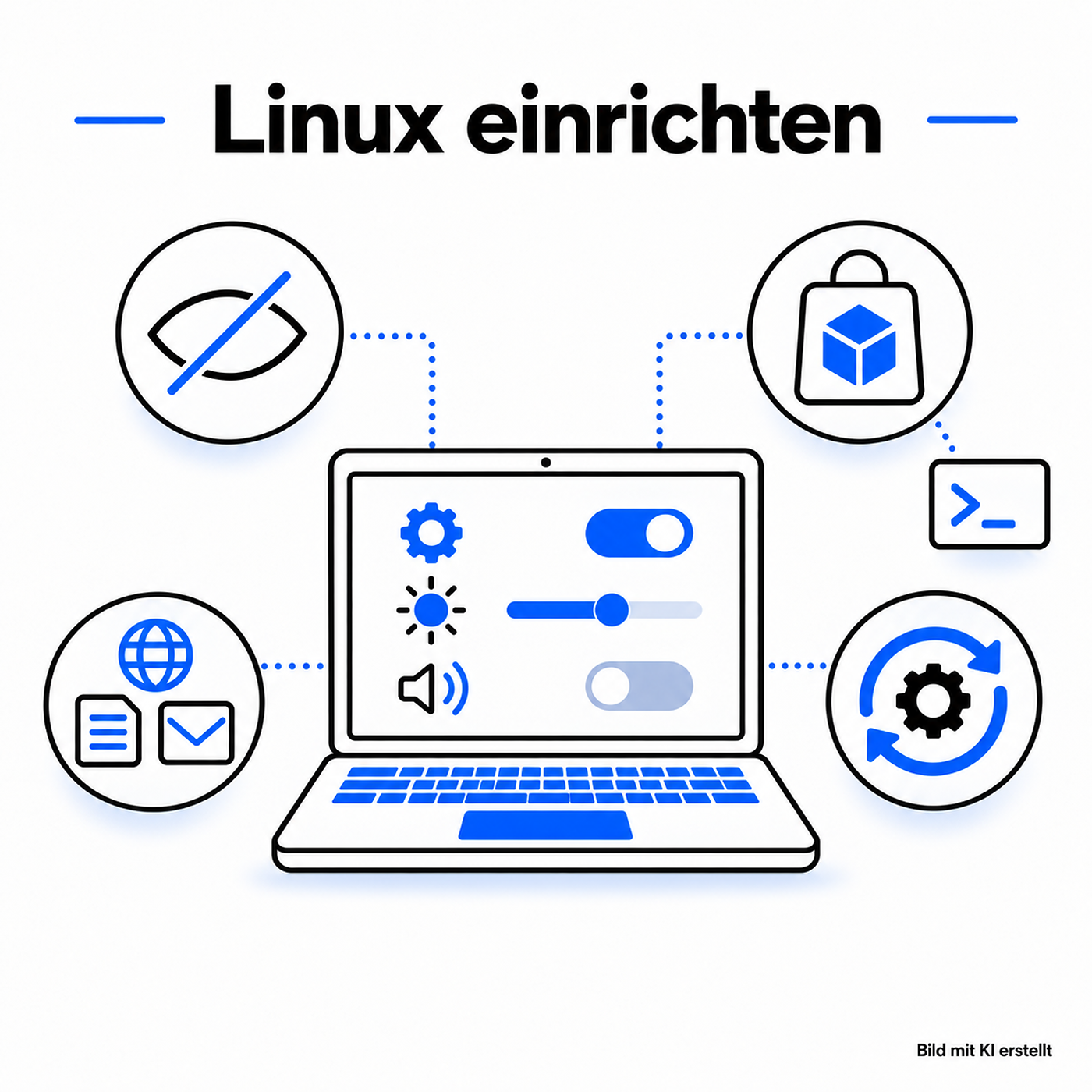
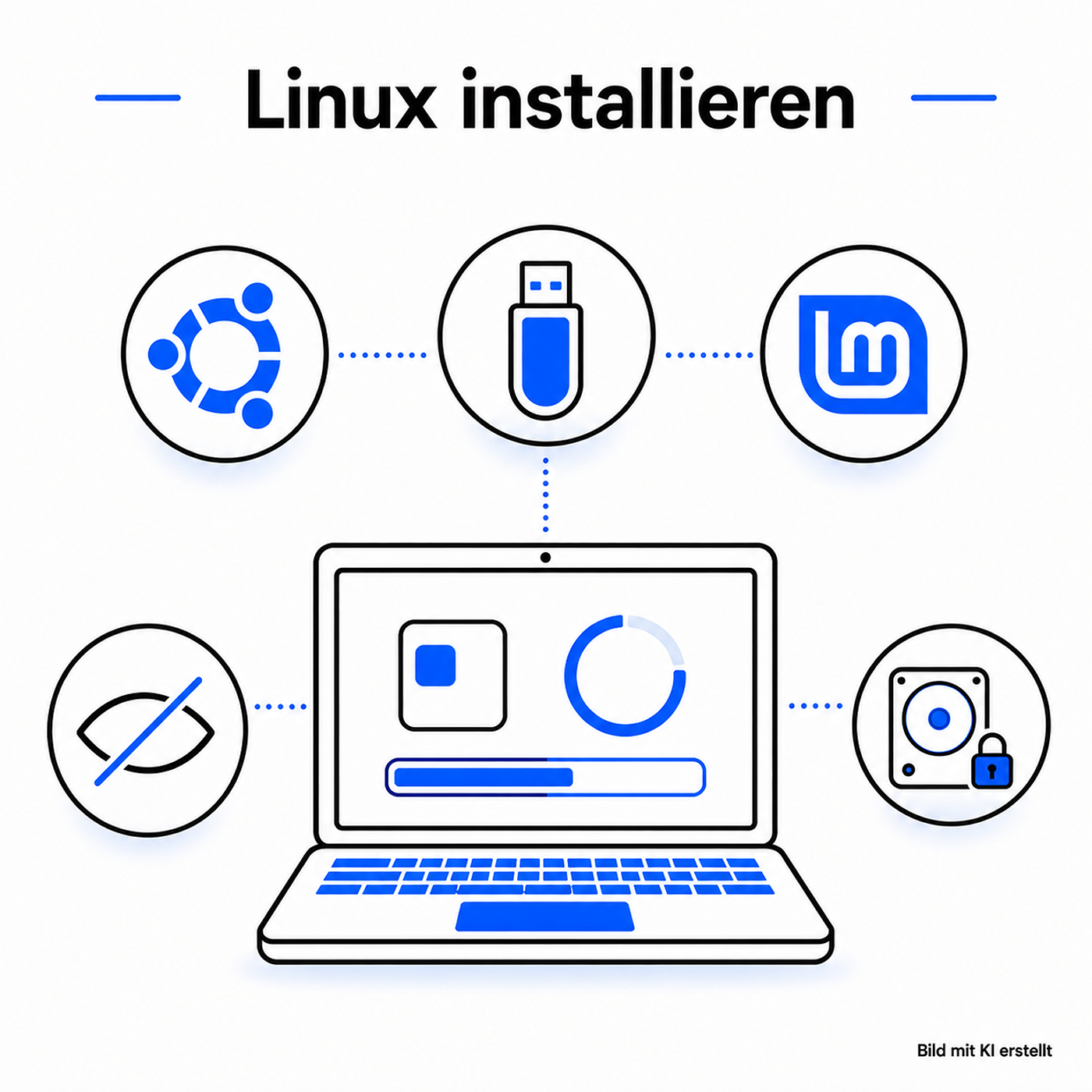
#019 Dein Laptop spioniert dich nicht mehr aus, ist dafür aber schneller
breakfree
#018 So entkommst du der Spyware von Microsoft und Apple
breakfree
#017 Der Algorithmus kontrolliert dich!
breakfree
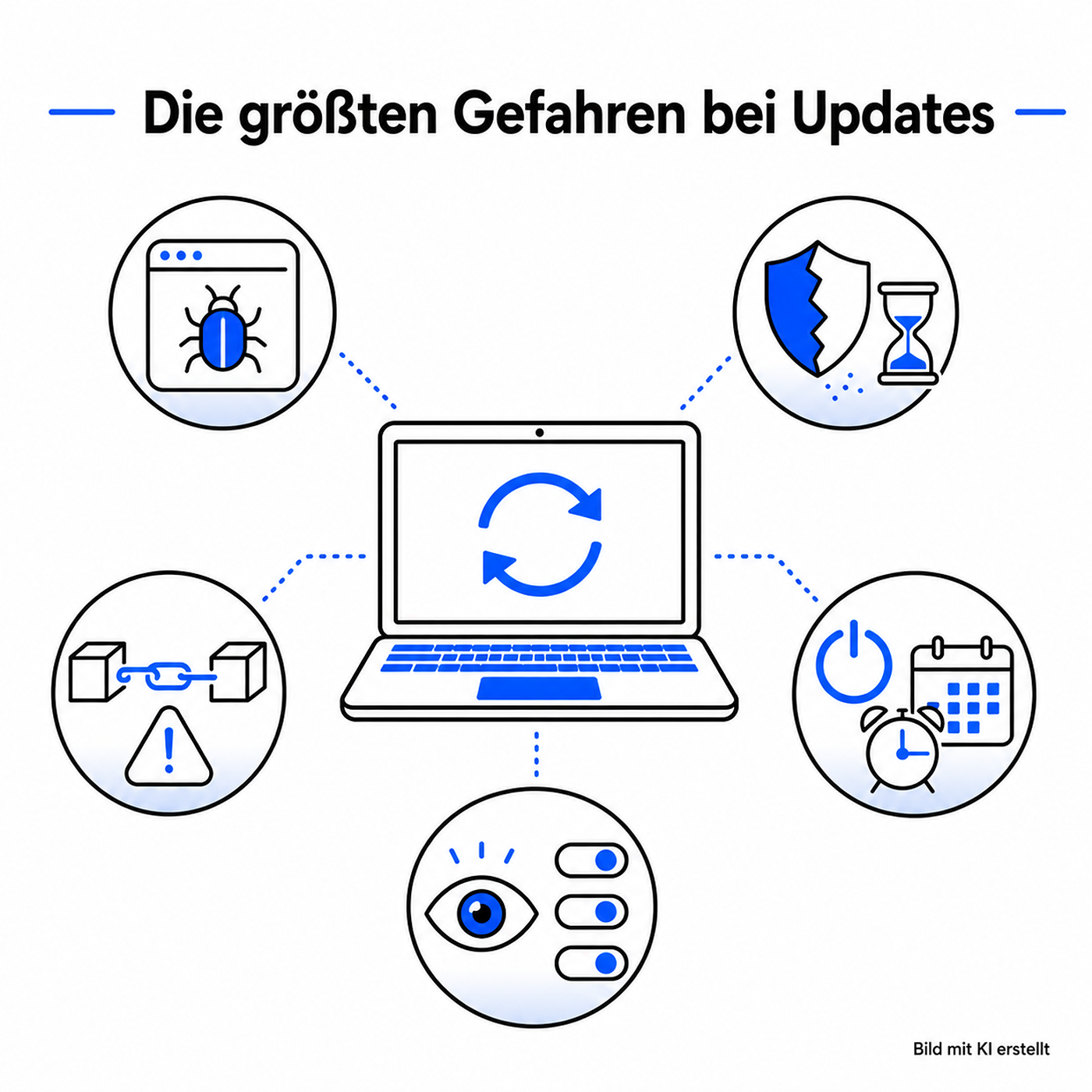
#016 Wie gefährlich sind Updates wirklich?
breakfree
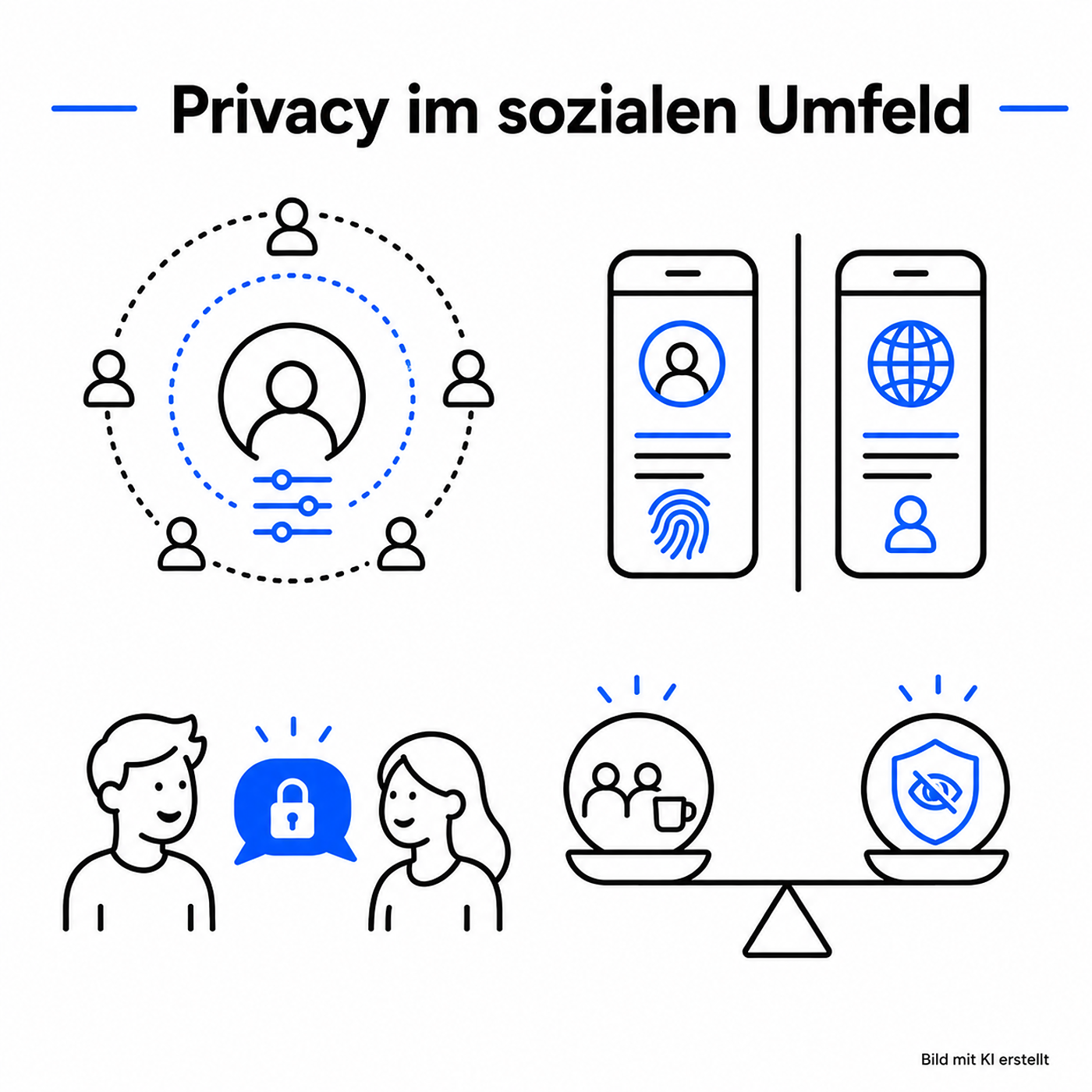
#015 Ist dein soziales Umfeld dein größtes Datenleck?
breakfree
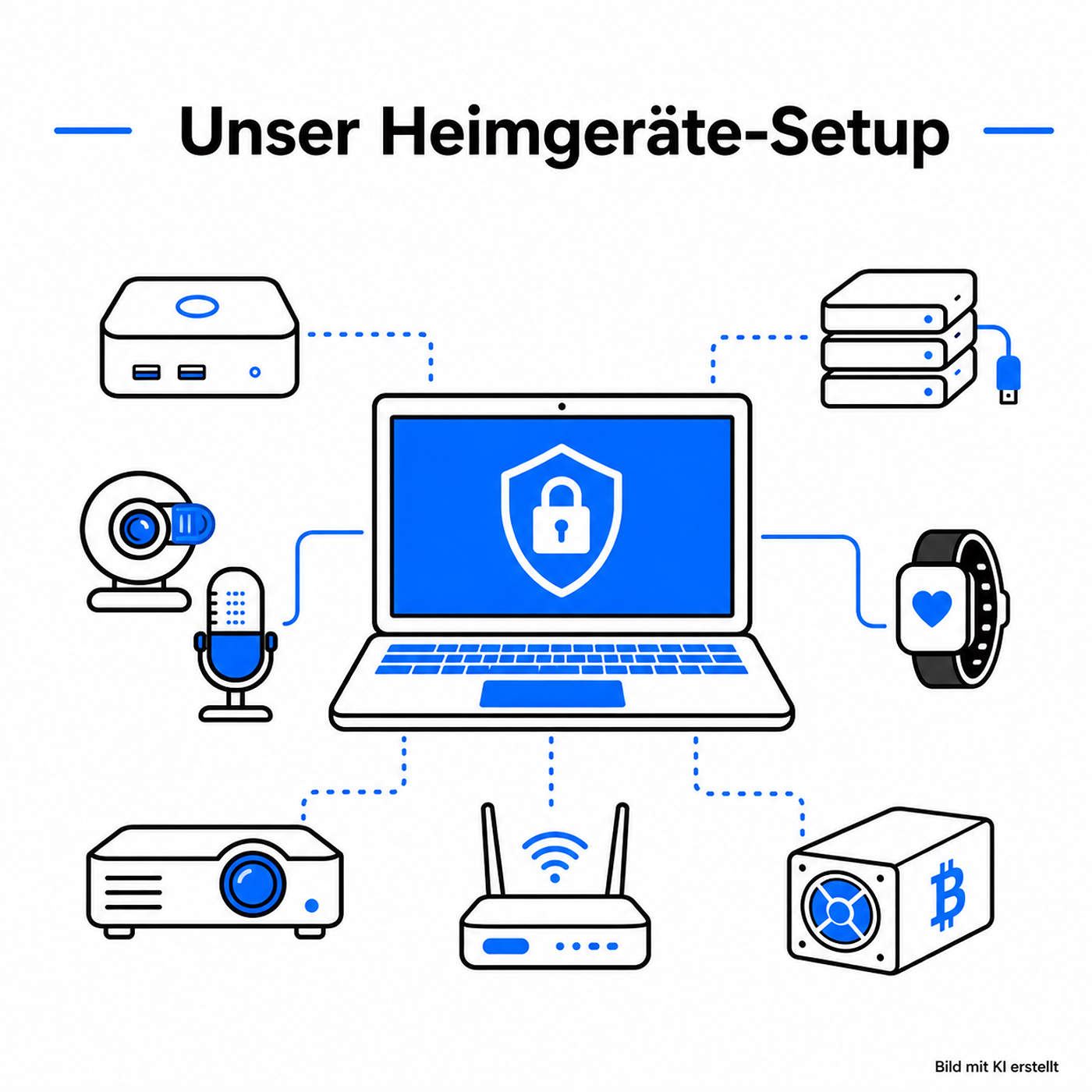
#014 Unsere Wohnungen sind voll mit Technik, aber nicht verwanzt
breakfree







MenschenPeople



PublikationenPublications
Alle ansehenView all


WirtschaftEconomics
Bitcoin Mining Economics in 2026: Who Actually Profits
vor 1 Woche1 w ago3 Min.3 min

Weiter durchs NetzwerkAcross the network
Noch mehr zu entdecken.Keep exploring.
6 Beiträge geladen.6 stories loaded.
Day 4: Clients & UX Patterns — Where Nostr Wins and Bleeds Users

vor 4 Mon.4 mo ago11 Min.11 min

Write Once… Render Everywhere?
Nostr promises “write once, publish everywhere.” And at the protocol level, that’s mostly true. But in practice, how your content *renders* depends heavily on the client. Primal favors Markdown images but ignores HTML. Coracle supports HTML but doesn’t fully render Markdown image syntax. The result: the same post can look completely different depending on where it’s viewed. Continuum takes a different approach—supporting both formats and separating authorship from rendering.

vor 6 Mon.6 mo ago4 Min.4 min

Local-First Isn’t the Hard Part
I built Continuum with ownership and control at the center. Over time, I’ve realized that the real challenge isn’t the local-first model itself—it’s designing something that is just as simple and intuitive as the alternatives without giving up those principles.
vor 6 Mon.6 mo ago3 Min.3 min
The Tradeoff Most People Never See
Most people aren’t choosing convenience over control consciously. The tradeoff is rarely visible at the moment of decision. This piece explores why that happens and what it means.
vor 6 Mon.6 mo ago5 Min.5 min
The Confidence Layer: Why “Refresh Complete” Is a Spiritual Technology
Most apps fail in a subtle way: they perform the work but don’t communicate completion. That missing feedback creates anxiety and mistrust. This piece explores the “confidence layer”—small UI signals like “Refreshing…” → “Refresh Complete” that turn fragile workflows into trustworthy systems. It’s a philosophy of polish, but not vanity polish—stewardship polish.
vor 9 Mon.9 mo ago5 Min.5 min

Bitcoin Payment Method Cards
The article by orangesurf proposes that secure messengers like Signal render Bitcoin payment URIs as visual "Payment Method Cards" rather than displaying raw text strings. This would solve the clunky UX of copying invoices and negotiating payment methods, while avoiding the third-party trust issues of alternatives like BIP 353.

vor 10 Mon.10 mo ago5 Min.5 min