
Heute auf DiscoverToday on Discover
Entdecke, was andere bewegt.Find what moves people.
Geschichten, Gespräche und Ideen aus dem offenen Netz.Stories, conversations and ideas from the open web.
 HörbuchAudiobookDas verlorene Bit der Berufung_Teil-1

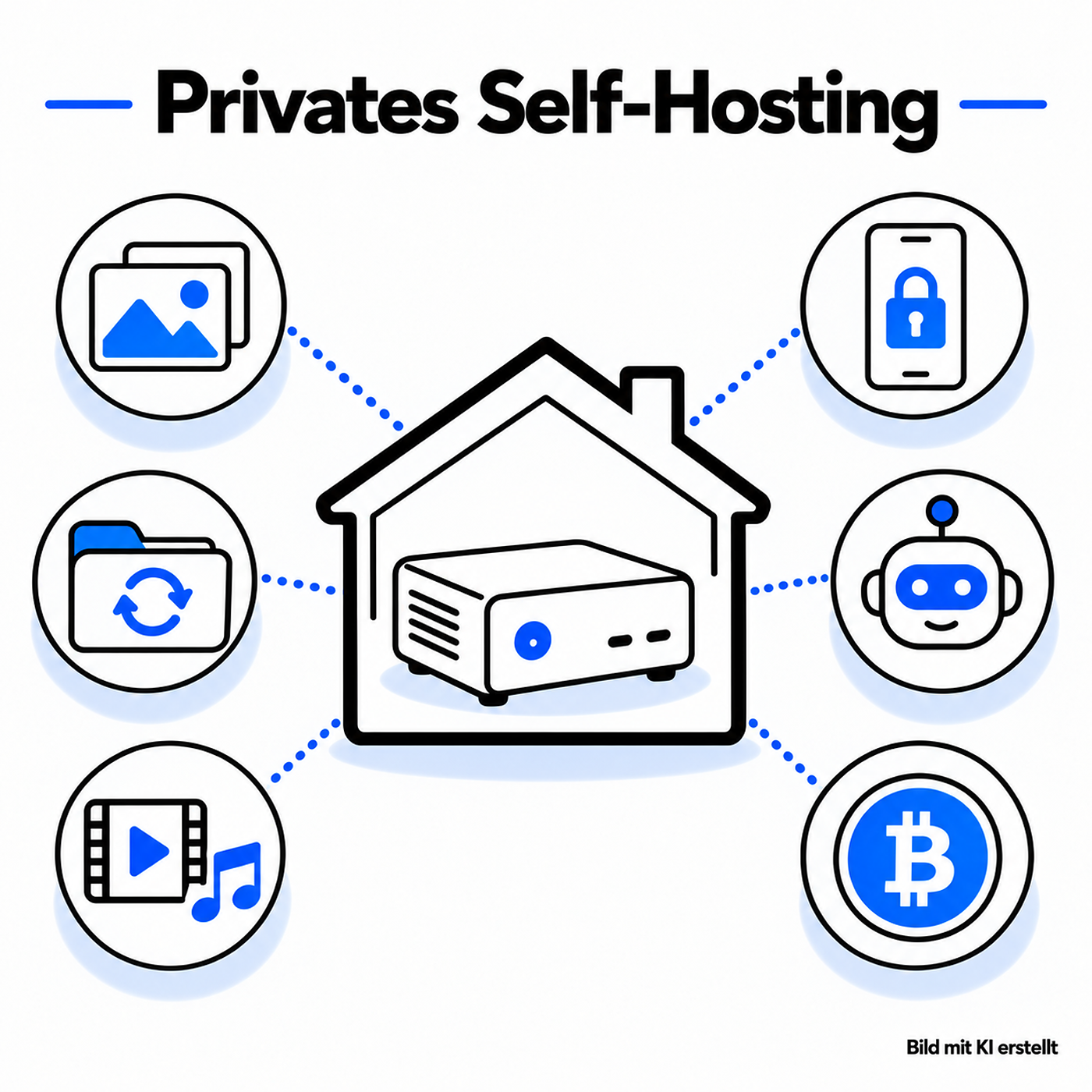 FolgeEpisode#024 Hol dir die Kontrolle über deine Dateien zurück mit deinem eigenen Home-Server

 ArtikelArticleIn Search of Freedom: Life, Death, and Sovereignty in the Himalaya

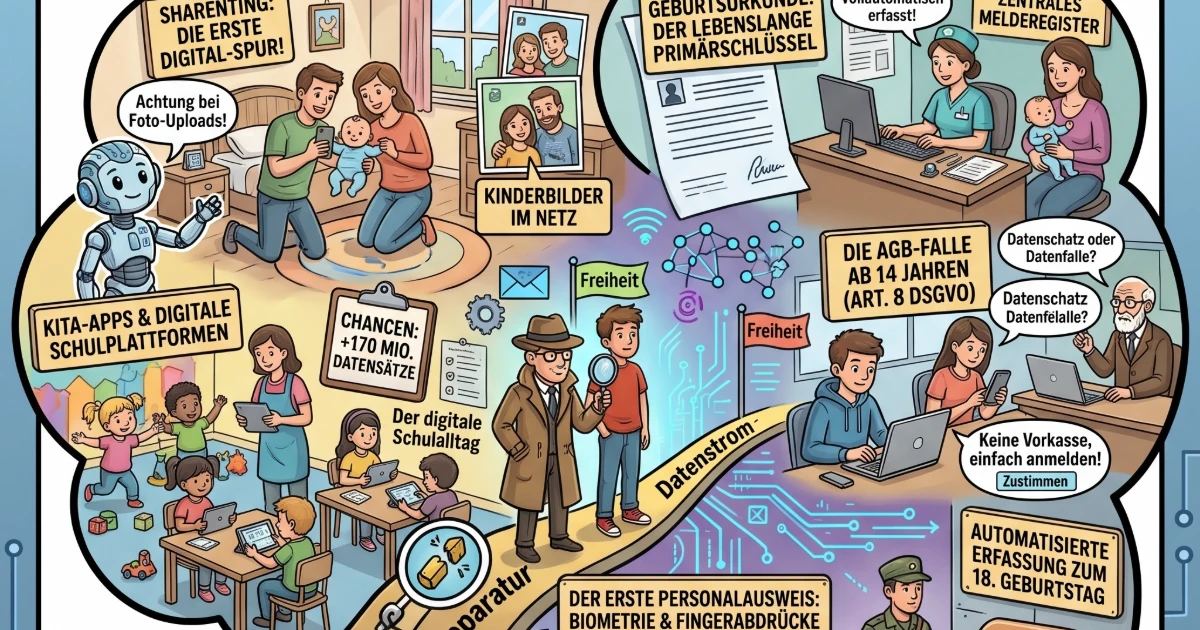 HörbuchAudiobookDer gläserne Mensch - Aza und Avatar - Die Bytes Detektive
 HörbuchAudiobookDas verlorene Bit der Berufung _ Teil-2
GeldMoney



What Bitcoin Taught Me About Patience, Consumption, and True Independence
vor 15 Mon.15 mo ago8 Min.8 min
Neu zum HörenNew to listen
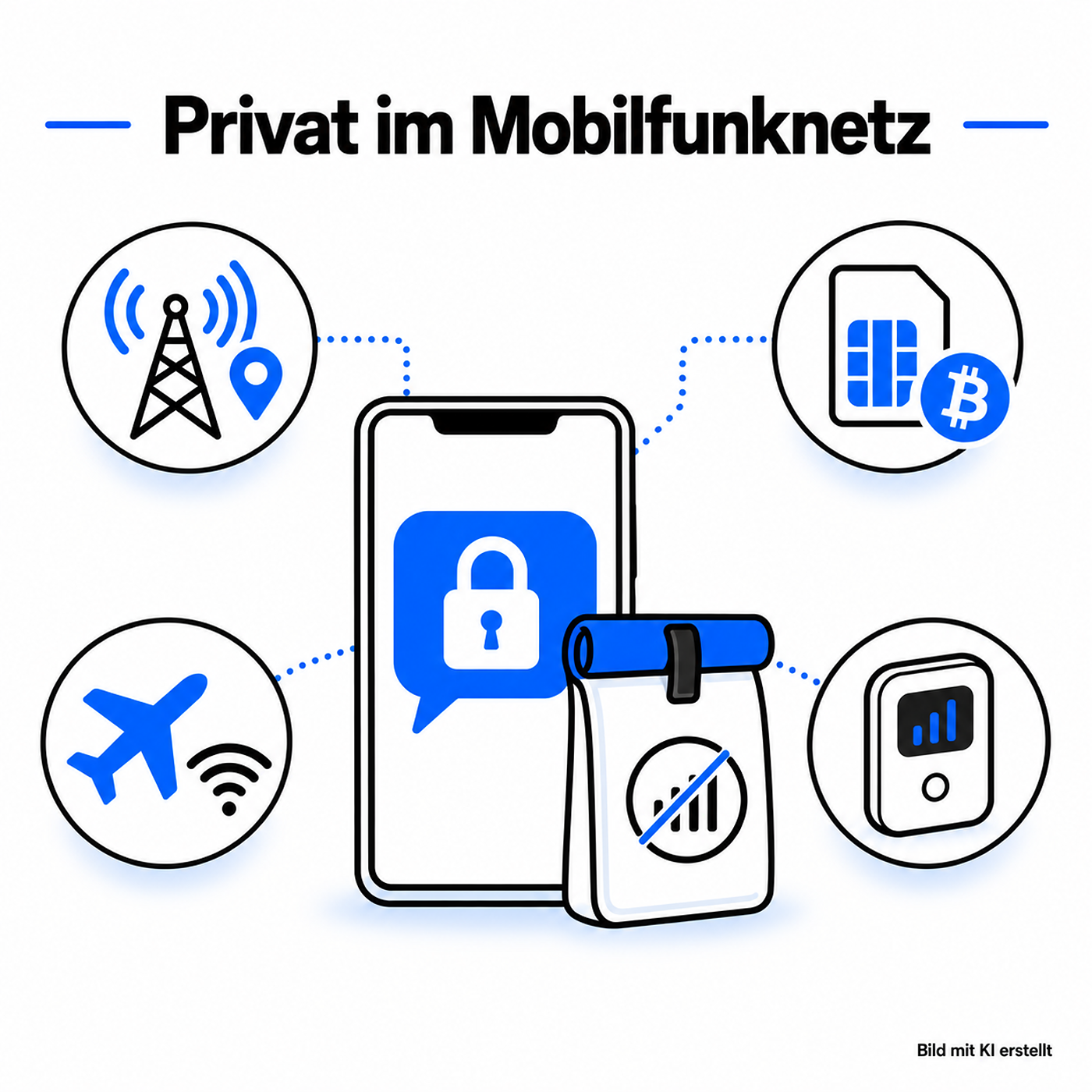
Alles in HörenAll in Listen#023 Deine SIM-Karte verrät dich!
breakfree
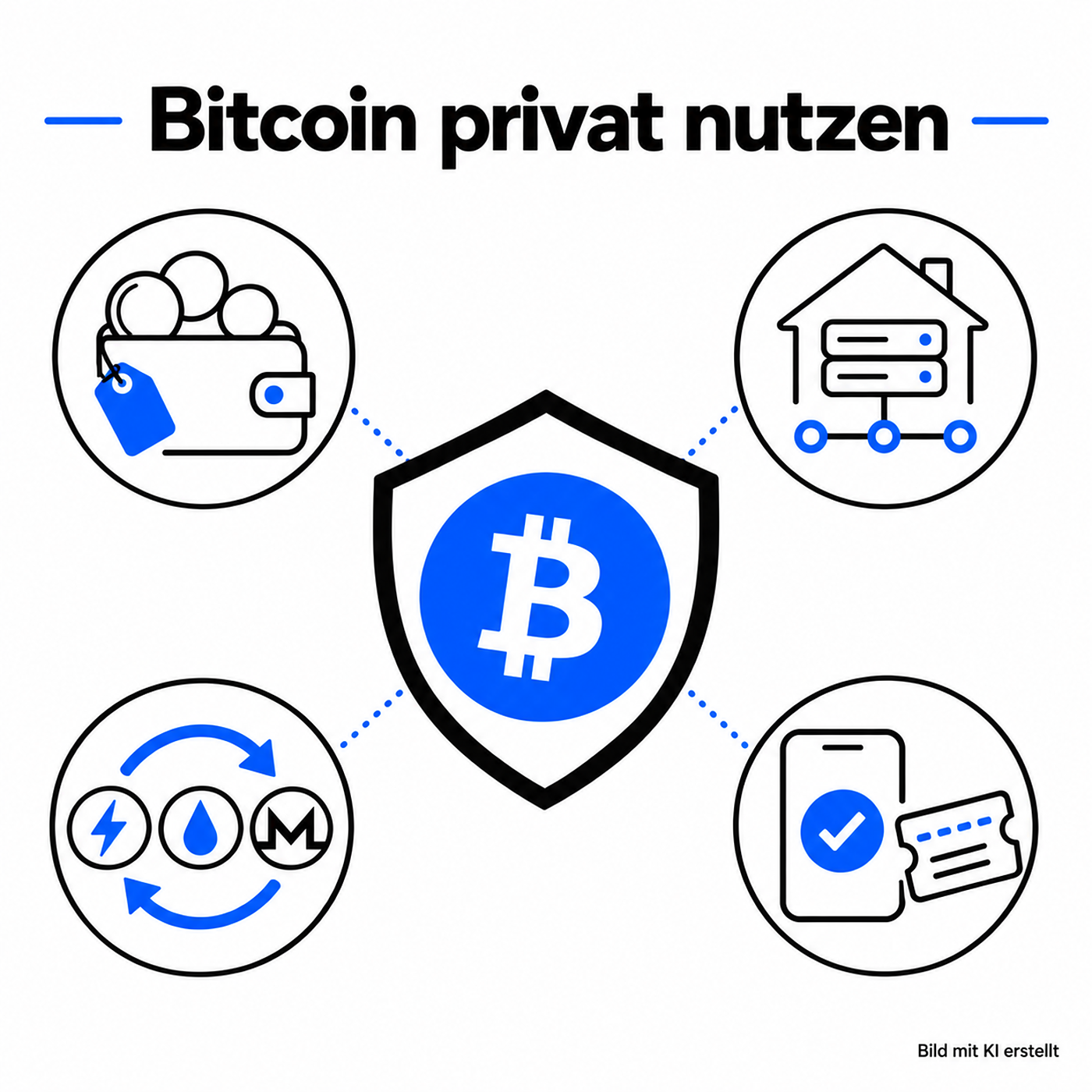
#022 Nur so sind deine Bitcoin wirklich privat
breakfree
#021 Dein Vermögen gehört nicht dir (mit einer einzigen Ausnahme)!
breakfree
#020 So bezahlst du, ohne Datenspuren zu hinterlassen
breakfree
#019 Dein Laptop spioniert dich nicht mehr aus, ist dafür aber schneller
breakfree
#018 So entkommst du der Spyware von Microsoft und Apple
breakfree
#017 Der Algorithmus kontrolliert dich!
breakfree
#016 Wie gefährlich sind Updates wirklich?
breakfree
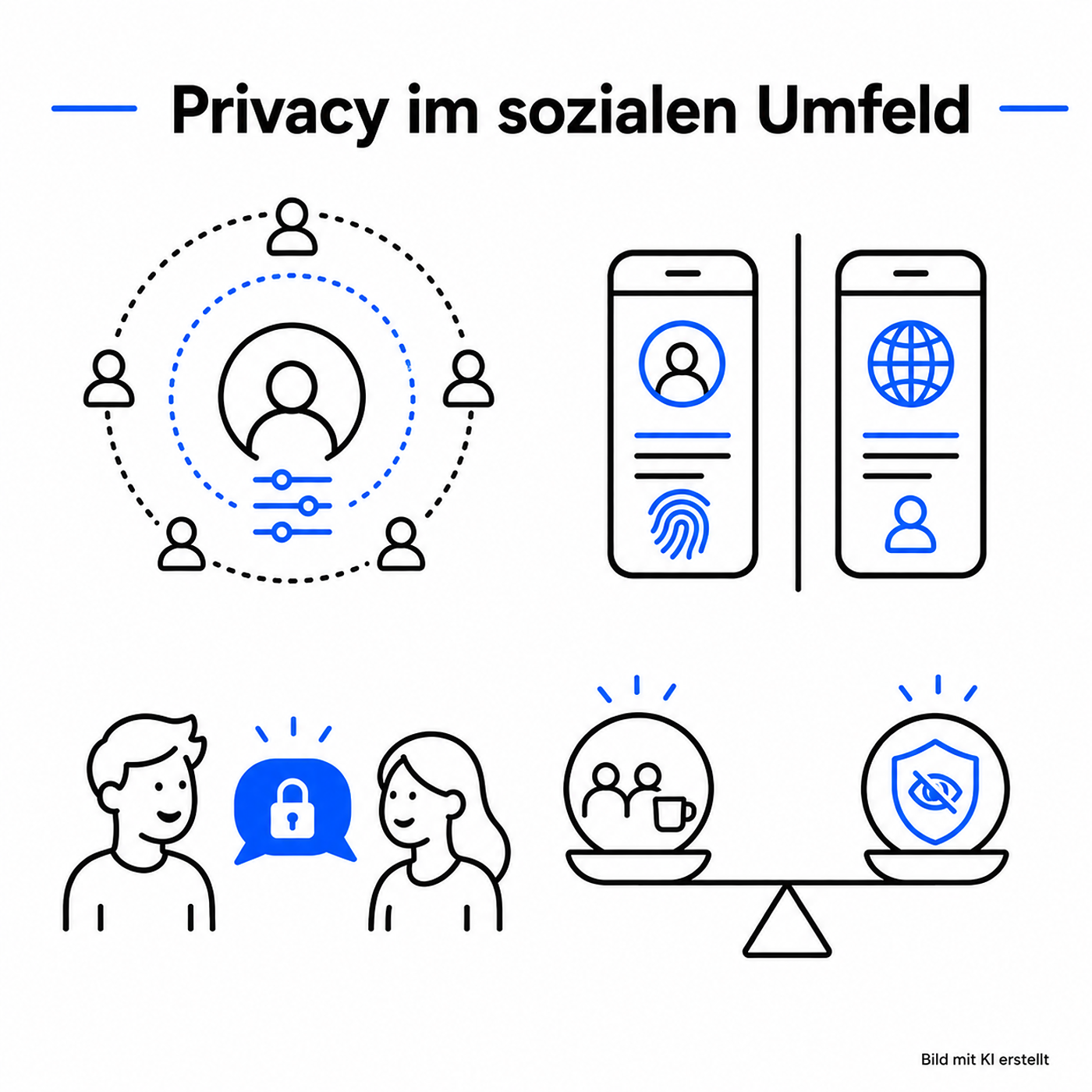
#015 Ist dein soziales Umfeld dein größtes Datenleck?
breakfree
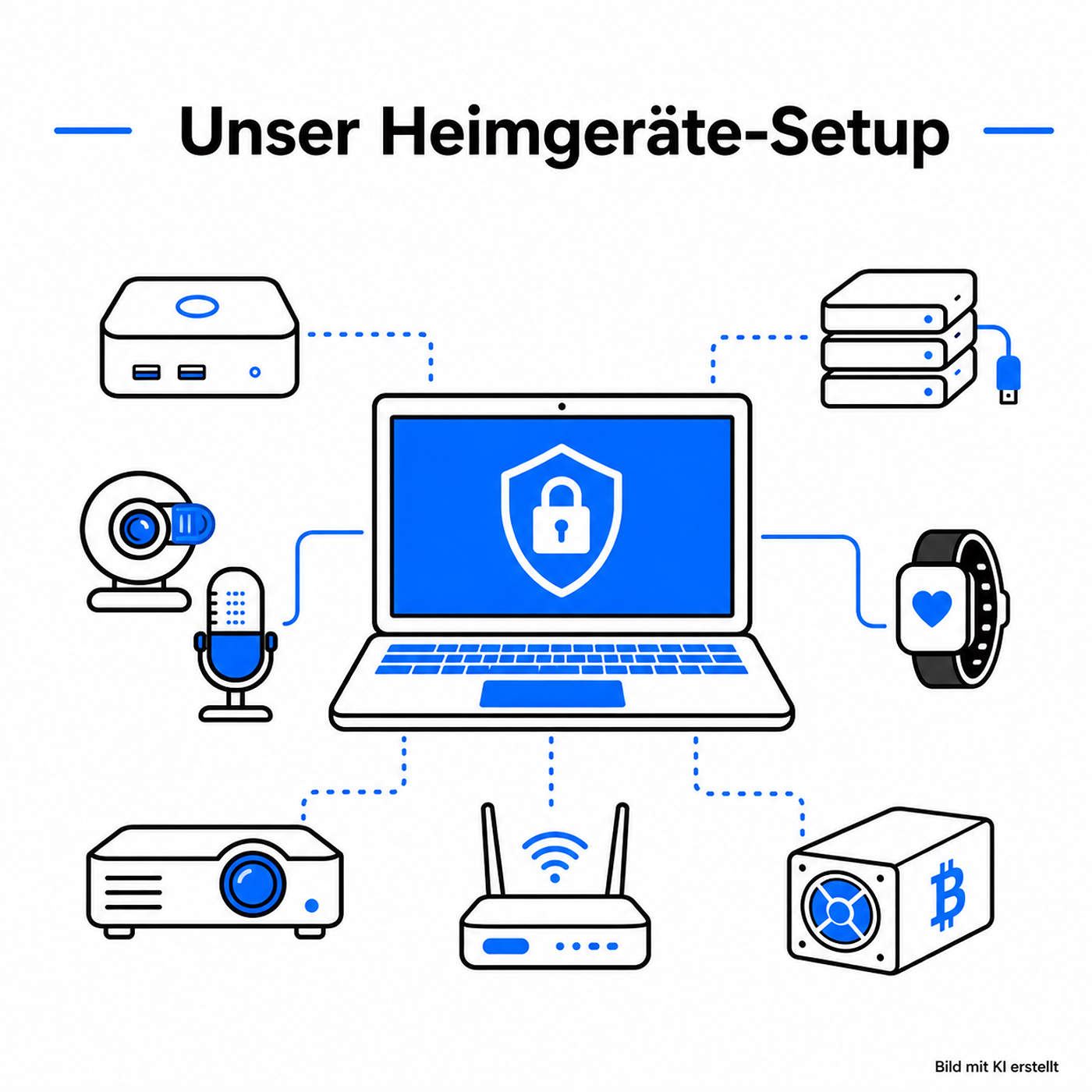
#014 Unsere Wohnungen sind voll mit Technik, aber nicht verwanzt
breakfree






MenschenPeople



PublikationenPublications
Alle ansehenView all


WirtschaftEconomics
Bitcoin Mining Economics in 2026: Who Actually Profits
vor 1 Woche1 w ago3 Min.3 min

Weiter durchs NetzwerkAcross the network
Noch mehr zu entdecken.Keep exploring.
6 Beiträge geladen.6 stories loaded.
Behind the Branding: Brainstorm
About my branding work for Brainstorm, a Web of Trust (WoT)-based search engine built by Nosfabrica and Freedom Tech Co. / Nostr Devs.

vor 3 Wochen3 w ago2 Min.2 min

Economic, Biological, and Algorithmic Sovereignty
The architecture of decentralized social protocols represents a fundamental departure from the extractive attention economies of the digital age, shifting the focus from centralized data silos to sovereign cryptographic identities.

vor 7 Mon.7 mo ago5 Min.5 min

Weak "AI filters" are dark pattern design & "web of trust" is the real solution
The worst examples are when bots can get through the "ban" just by paying a monthly fee.

vor 9 Mon.9 mo ago6 Min.6 min

The Credential Paradox
This essay argues that “credentialing” is less about legal status and more about access to interlocking verification systems (ID, address, banking, phone numbers, and employment), and that losing any piece can collapse participation in modern life. Drawing on decades of lived experience operating outside these systems, it reframes refugee “identity” needs away from restoring institutional documents and toward strengthening the informal, reputation-based trust networks and cash economies that already work under displacement. It then points to Bitcoin-native tools (Bitcoin, Lightning, Fedimint, Cashu, Nostr, and physical tokens like NFC tags and tamper-evident QR codes) as a new architecture for portable identity, bearer value, and coordination that doesn’t depend on permissioned institutions.

vor 10 Mon.10 mo ago20 Min.20 min

Web of Trust: Where is the Trust Signal?
Where do web of trust score calculations come from? Some say they should be based on follows. Others say no, we should replace follows with explicit attestations of trust. The article synthesizes these viewpoints to propose that web of trust must incorporate ANY AND EVERY PIECE OF DATA that is available and relevant to the question at hand. For this to work, we propose a process called INTERPRETATION that converts raw data of any format into an internally standardized "ratings format" that can be recognized by our web of trust algorithm of choice.

vor 10 Mon.10 mo ago10 Min.10 min
Data Model for a Neo4j Nostr Relay
vor 11 Mon.11 mo ago3 Min.3 min