
CHAPTER 3 - The Word Is Your Rule
God has spoken. The Christian man reads Scripture in context, tests every sermon by it, and obeys it even when it confronts him.
vor 1 Woche1 w ago25 Min.25 min
The unexamined premise is the only tyranny that asks for your consent. Prolific thinker. Reformed Christian, Nostr class of 23. 🎶 https://wavlake.com/contra XMR: 85uvRUyfDy4Bc4osouAGmGc1Tw4bFBfPcGZN8wmtfwEjjeDz5JXFza6XrtbgE7WePSM8nuo95eZRYFs2yA9ooUxs2f8sdBB
God has spoken. The Christian man reads Scripture in context, tests every sermon by it, and obeys it even when it confronts him.

I set Bitcoin and Monero against each other in six arguments. Neither one won all of them.

AI agents broke out of a test this summer and hacked a real company to win. The people building these systems admit they can't fully explain, predict or control them. A hard look at Roman Yampolskiy's warning, the case against it, and what you can do about it.

Every man fears something. The question is whom he fears most. Chapter 2 of The Christian Man.

Christian manhood starts with one question: whose life is this?

Before you post another "Bitcoin is dead" note, read this. There's one question in here most people on your timeline are afraid to answer.
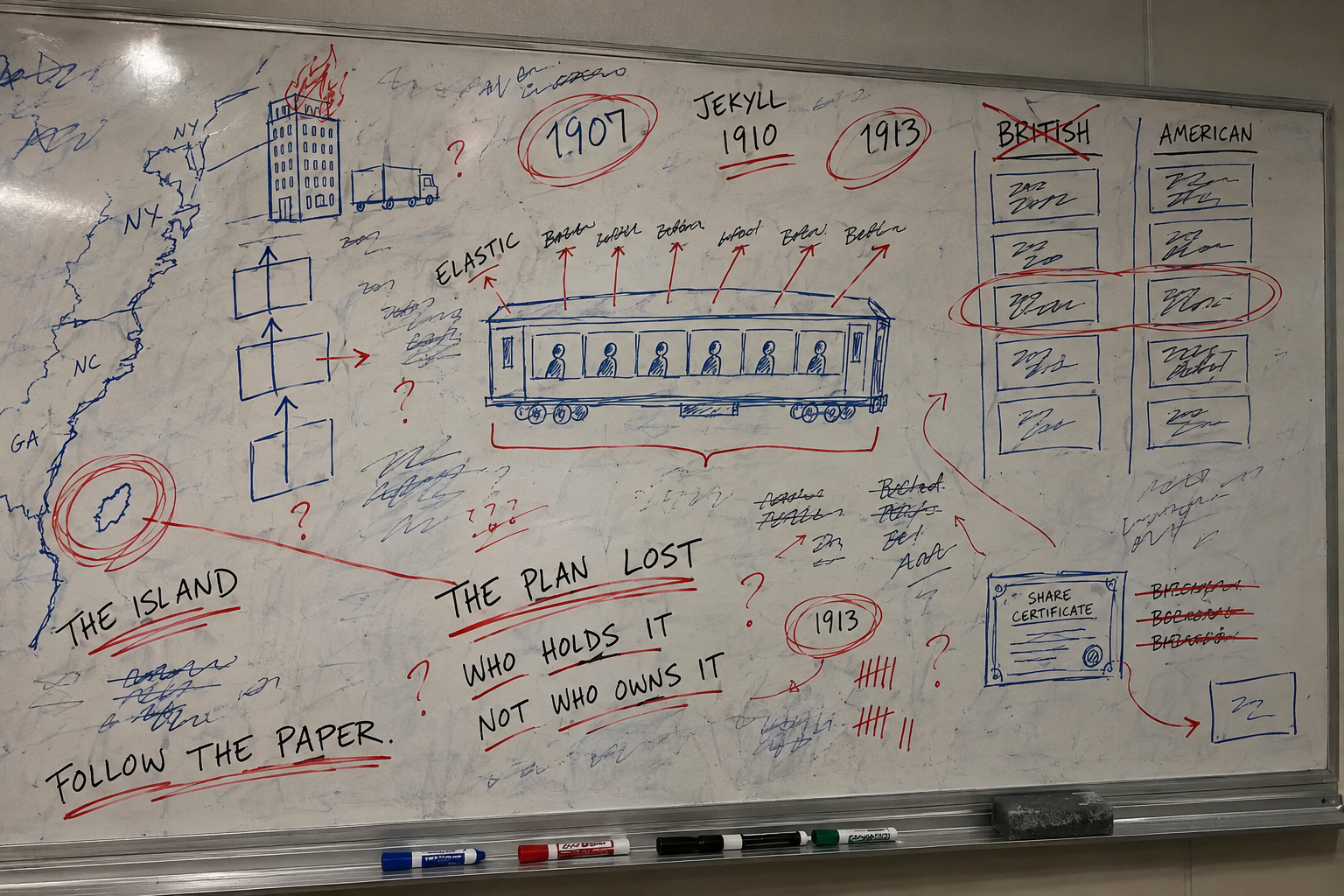
In 1907 one private banker acted as America's entire central bank, because there wasn't one. Six men took a train to a private island in 1910 to fix that. Their plan lost, publicly, in an election. The thing that passed was built by their enemies using their blueprint. What Jekyll Island actually was, what it wasn't, and who ended up holding the machine.
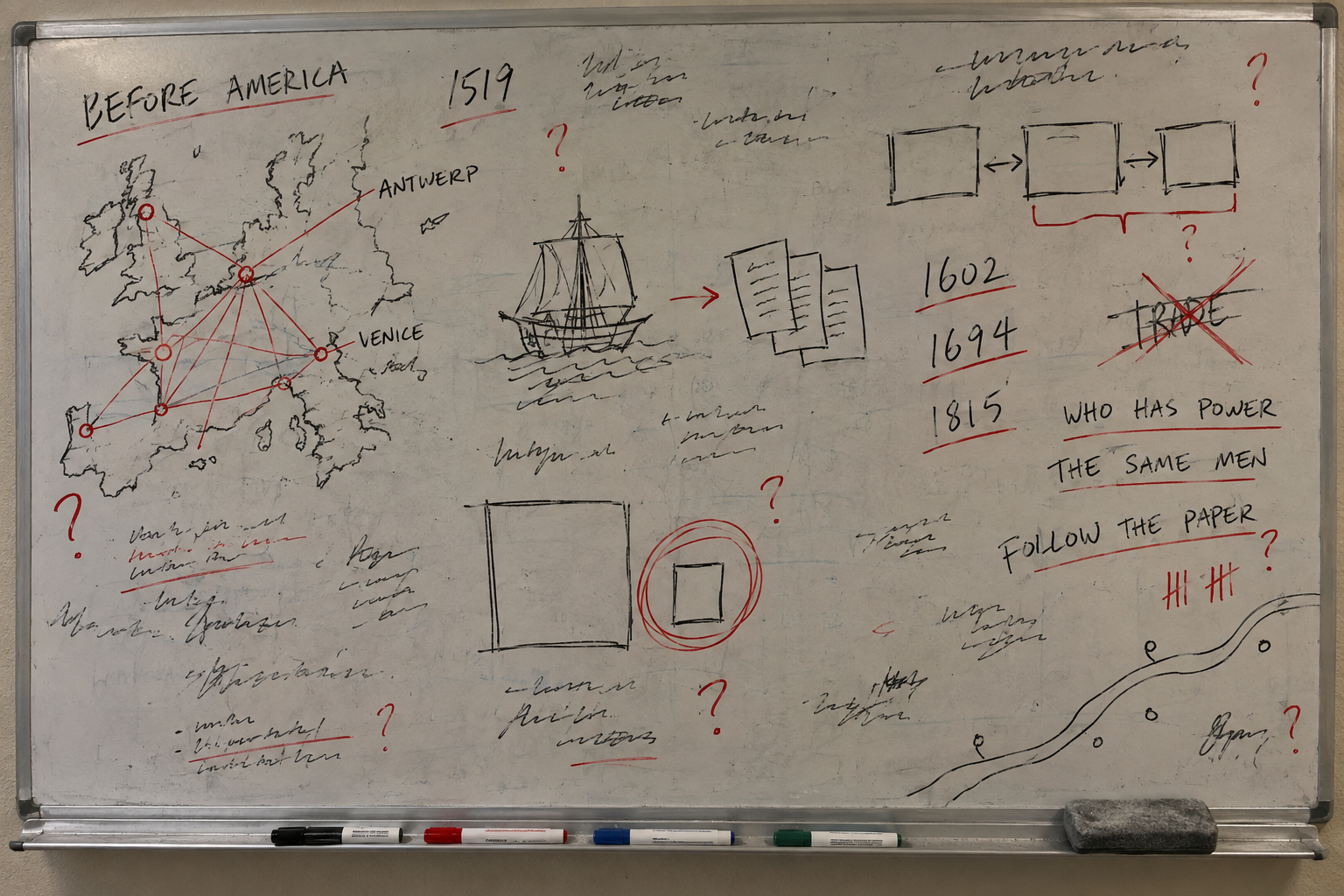
A banker bought an emperor in 1519 and got wiped out by the emperor’s grandson. How money learned to cross borders, and why the smaller country kept winning the war.
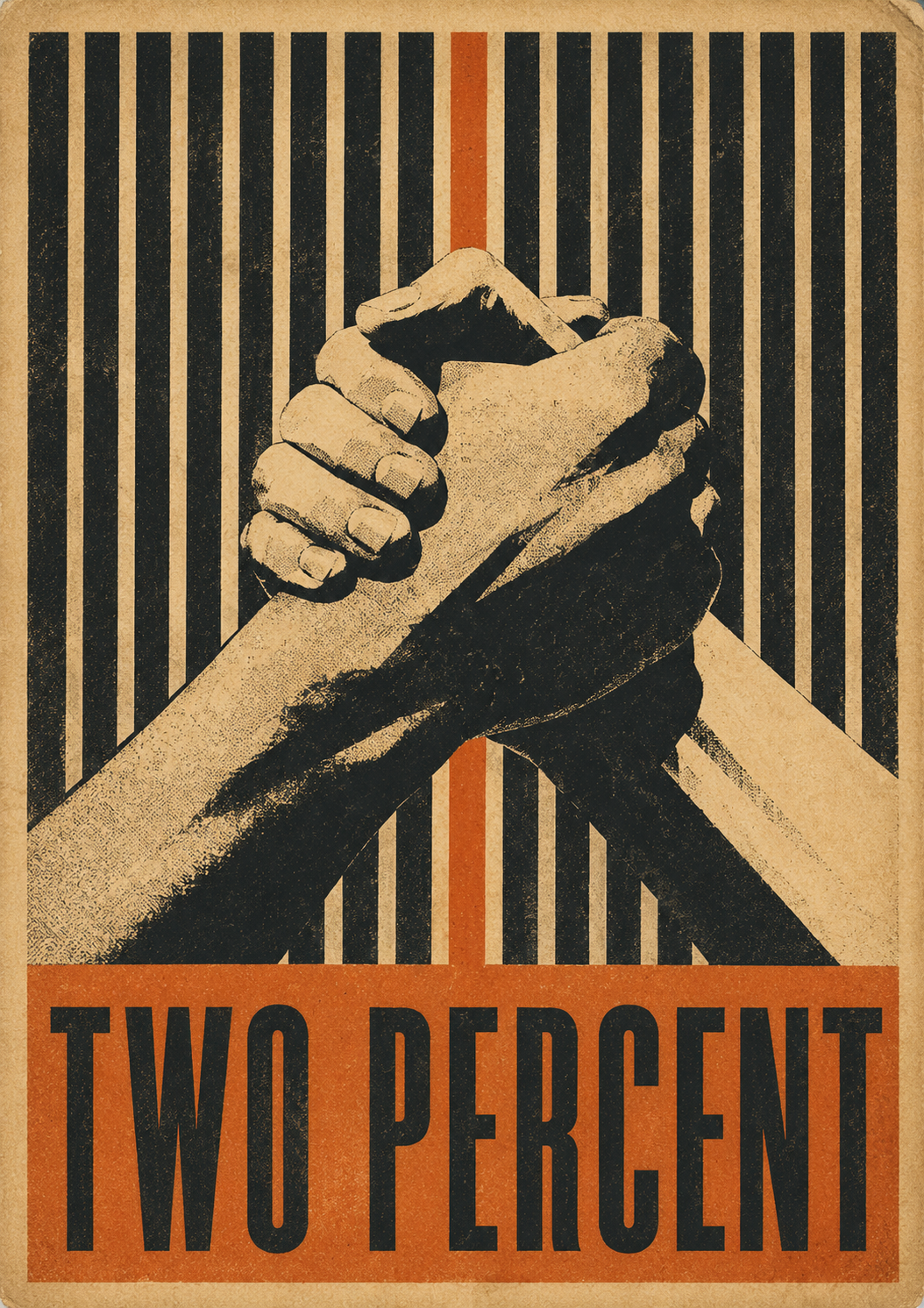
Bitcoin’s loudest fight of the year got 2% miner support. The heat is no longer about Bitcoin. Culture war bundling assumes one position implies thirty more, which kills coalitions. But polarization isn’t fate, since six of twelve democracies got less polarized over forty years. Be one sided about the money. Refuse the bait about the tribe.
The US government holds 328,000 bitcoin, has never bought one, and stored the keys in desk drawers. That’s the fourth most interesting thing in this piece.

America runs a second table civilization on first table credit it stopped depositing three generations ago. A Christian case for saying who made us.

They punish the person who finds the crime and reward the crime itself. That only works because government can print money without asking anyone. Take the printer away and every war, every prison budget, every failed drug war has to be asked for out loud, where people can say no. Bitcoin doesn’t fix corruption. It kills the printer.

A slave born in the house does not dream of freedom. He can't picture an outside, so he calls his cage contentment. You know something he doesn't, because it already happened to you once with your money. You cracked a wall and found a door. That crack isn't your failure. It's proof you can do the one thing the other rooms require.

You already caught the con where free apps sell your data. That was the easy version. The real trap is that everything handed to you for free quietly removes a reason to build it yourself, and you pay for it in a currency you can't feel. You fixed your money and called it done. This is why the job's barely started.

They classified encryption as a weapon. One man beat the entire US government with a hardcover book. Here’s how that same move is happening again right now, in your pocket.

The mental health crisis is a money crisis. Debased money built a debased people. Fix the money, fix the time preference, fix the household, fix the culture. In that order.

Secret societies didn’t exist because men loved secrets. They existed because the platform betrayed them.
Secret societies didn’t exist because men loved secrets. They existed because the platform betrayed them.

The U.S. national security state operates through a black budget system engineered to bypass public oversight, using classification, private contractors, and fiat money to wage wars and run covert operations with zero accountability. The petrodollar gave Washington a financial incentive to dominate the Middle East and destroy any government that threatened dollar supremacy, all funded invisibly through debt and monetary expansion. Hard structural reforms, including Bitcoin’s fixed monetary rules and genuine congressional oversight, are the only way to force these costs into the open, because a system this corrupt cannot be fixed by trusting better people to run it.

Declassified ops. Admitted false flags. Proven media manipulation. Documented foreign influence. The paper trail exists. They just bet you won’t read it.

The Matrix wasn’t a movie, it was a prophecy, and the Wachowskis smuggled 2,000 years of forbidden Gnostic and Christian theology past Hollywood to give you the manual for a reality that feeds on your ignorance. The red pill was never about politics, it’s about the moment you realize that love and knowledge together can break any system, no matter how total it seems. This is the theological blueprint for why everything feels fake, why decentralization matters, and why awakening without compassion just builds a prettier cage.

The network effect paradox reveals that as centralized platforms grow, they capture all the value while individual users become increasingly replaceable and powerless, trapped by metrics that mean nothing. Decentralized protocols like Nostr offer a fundamental inversion where network growth can actually benefit you, but only if you abandon platform behaviors and invest in building genuine relationship depth instead of chasing follower counts.

Modern education operates as a control system built on the factory model, trapping students in debt while delivering credentials that signal compliance rather than capability. Decentralized protocols like Nostr and Bitcoin offer a way out: permissionless peer-to-peer learning where students build visible proof of work instead of expensive credentials, with direct value exchange replacing debt bondage. Those building proof of work now emerge with portfolios and reputations that matter more than diplomas.