
Heute auf DiscoverToday on Discover
Entdecke, was andere bewegt.Find what moves people.
Geschichten, Gespräche und Ideen aus dem offenen Netz.Stories, conversations and ideas from the open web.
 HörbuchAudiobookDas verlorene Bit der Berufung_Teil-1

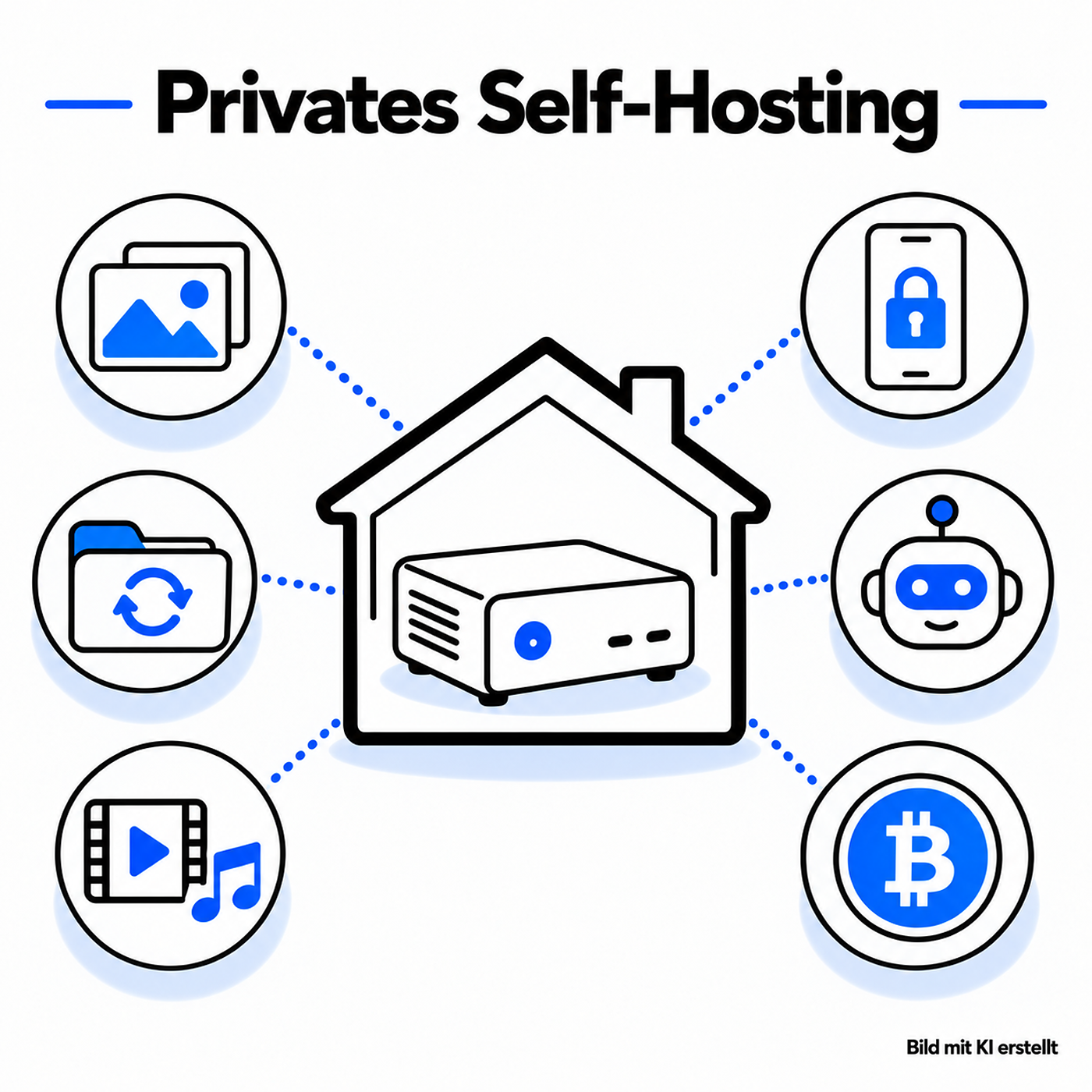 FolgeEpisode#024 Hol dir die Kontrolle über deine Dateien zurück mit deinem eigenen Home-Server
 ArtikelArticleIn Search of Freedom: Life, Death, and Sovereignty in the Himalaya

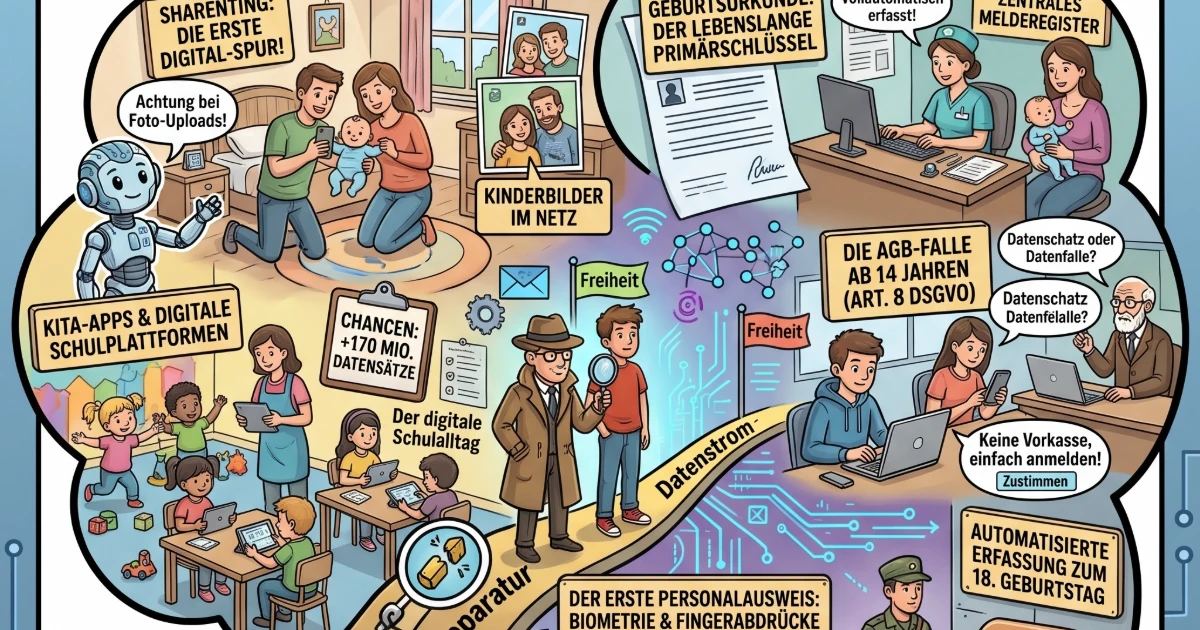 HörbuchAudiobookDer gläserne Mensch - Aza und Avatar - Die Bytes Detektive
 HörbuchAudiobookDas verlorene Bit der Berufung _ Teil-2
GeldMoney


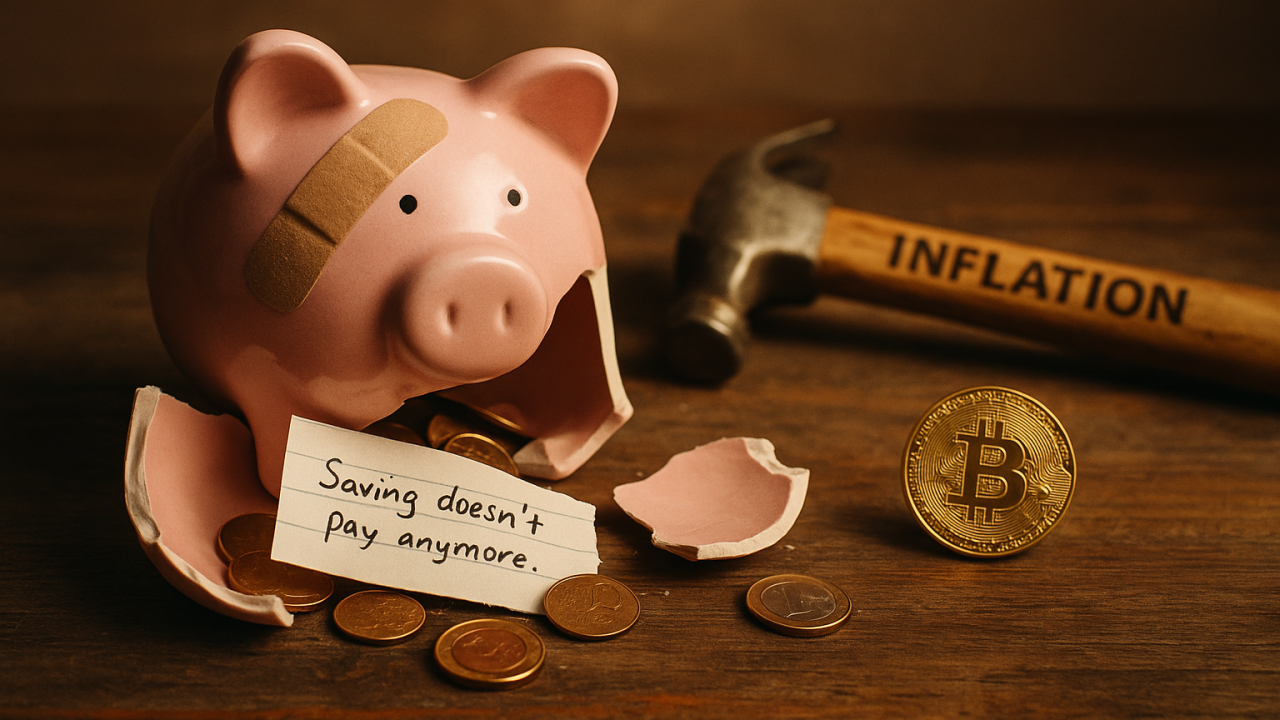
What Bitcoin Taught Me About Patience, Consumption, and True Independence
vor 15 Mon.15 mo ago8 Min.8 min
Neu zum HörenNew to listen
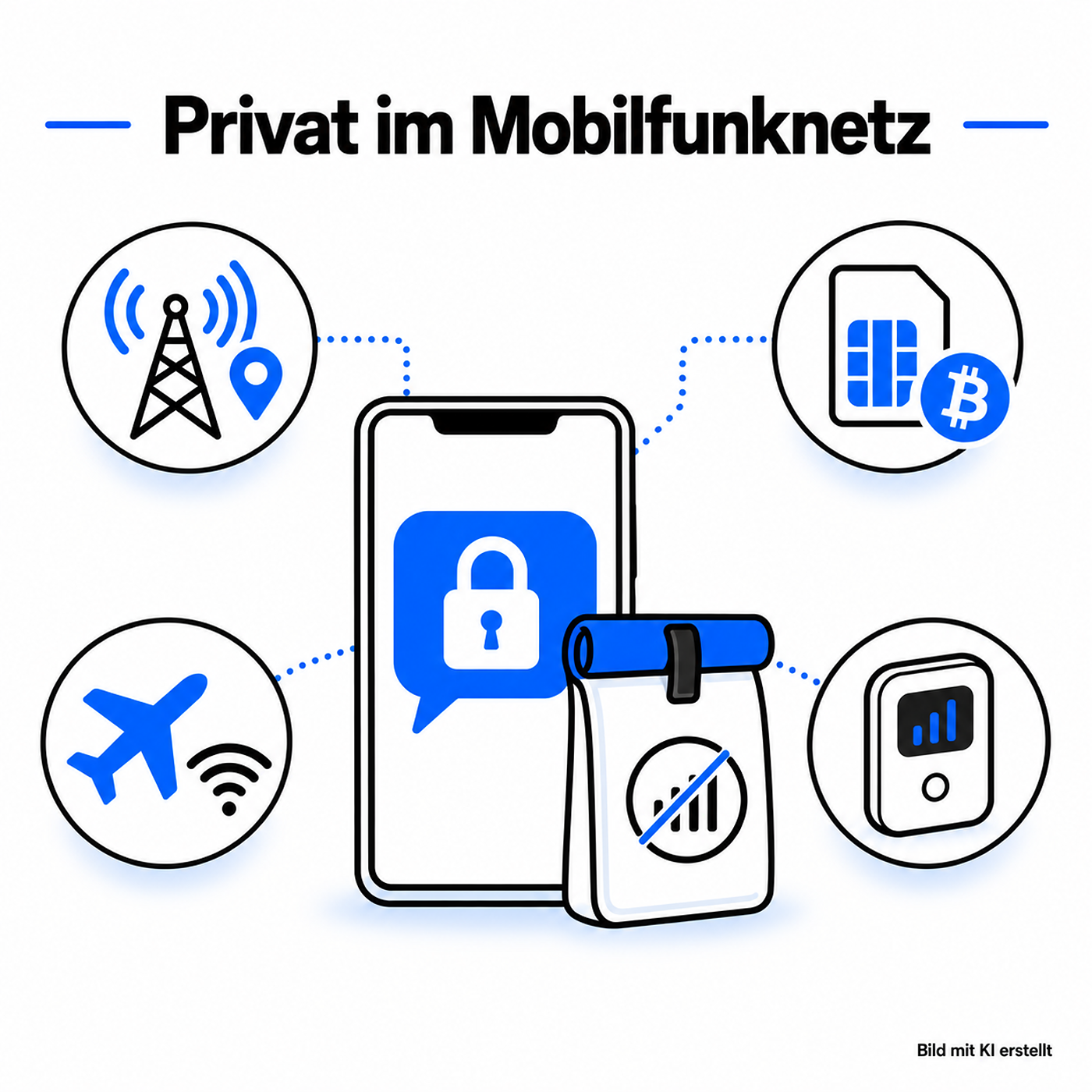
Alles in HörenAll in Listen#023 Deine SIM-Karte verrät dich!
breakfree
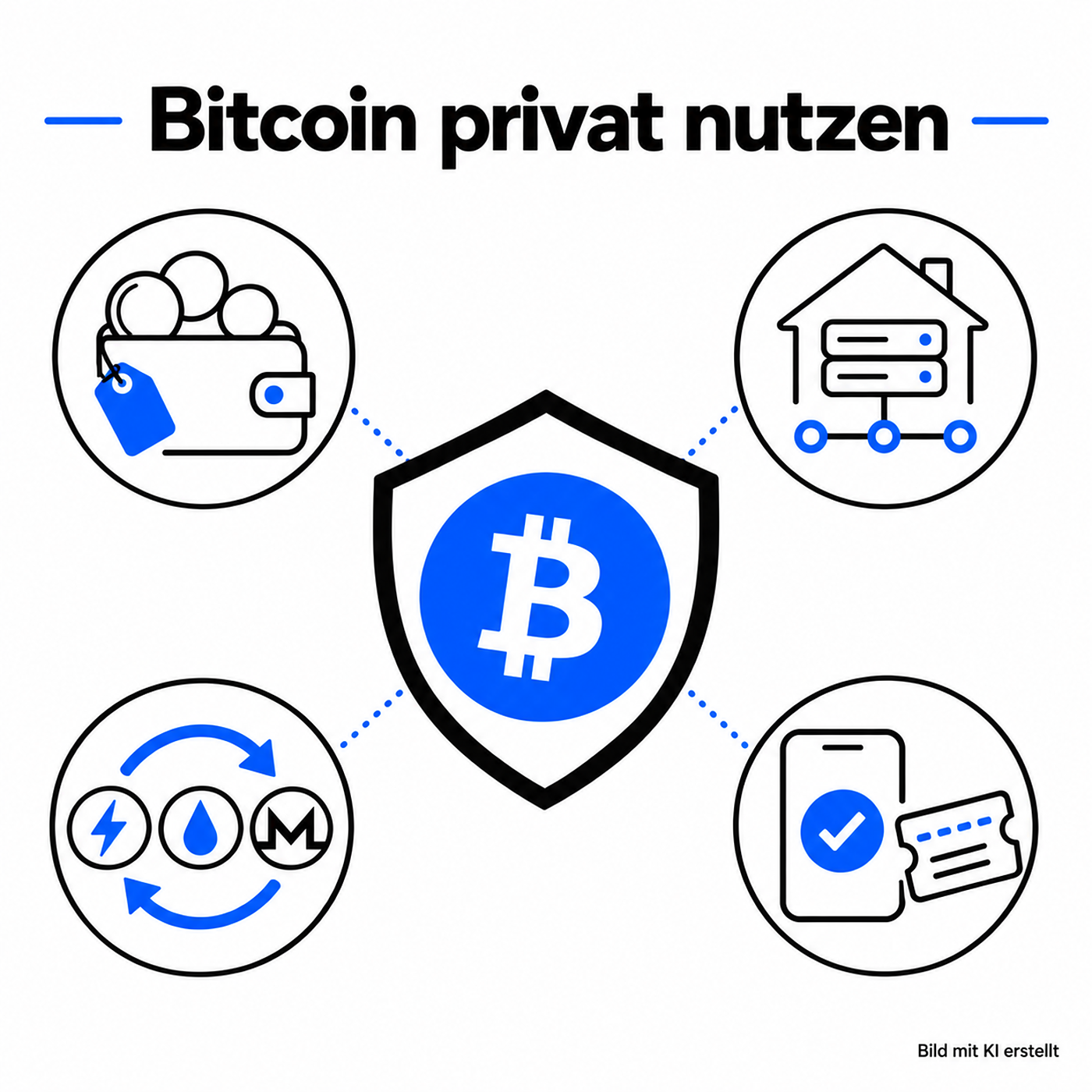
#022 Nur so sind deine Bitcoin wirklich privat
breakfree
#021 Dein Vermögen gehört nicht dir (mit einer einzigen Ausnahme)!
breakfree
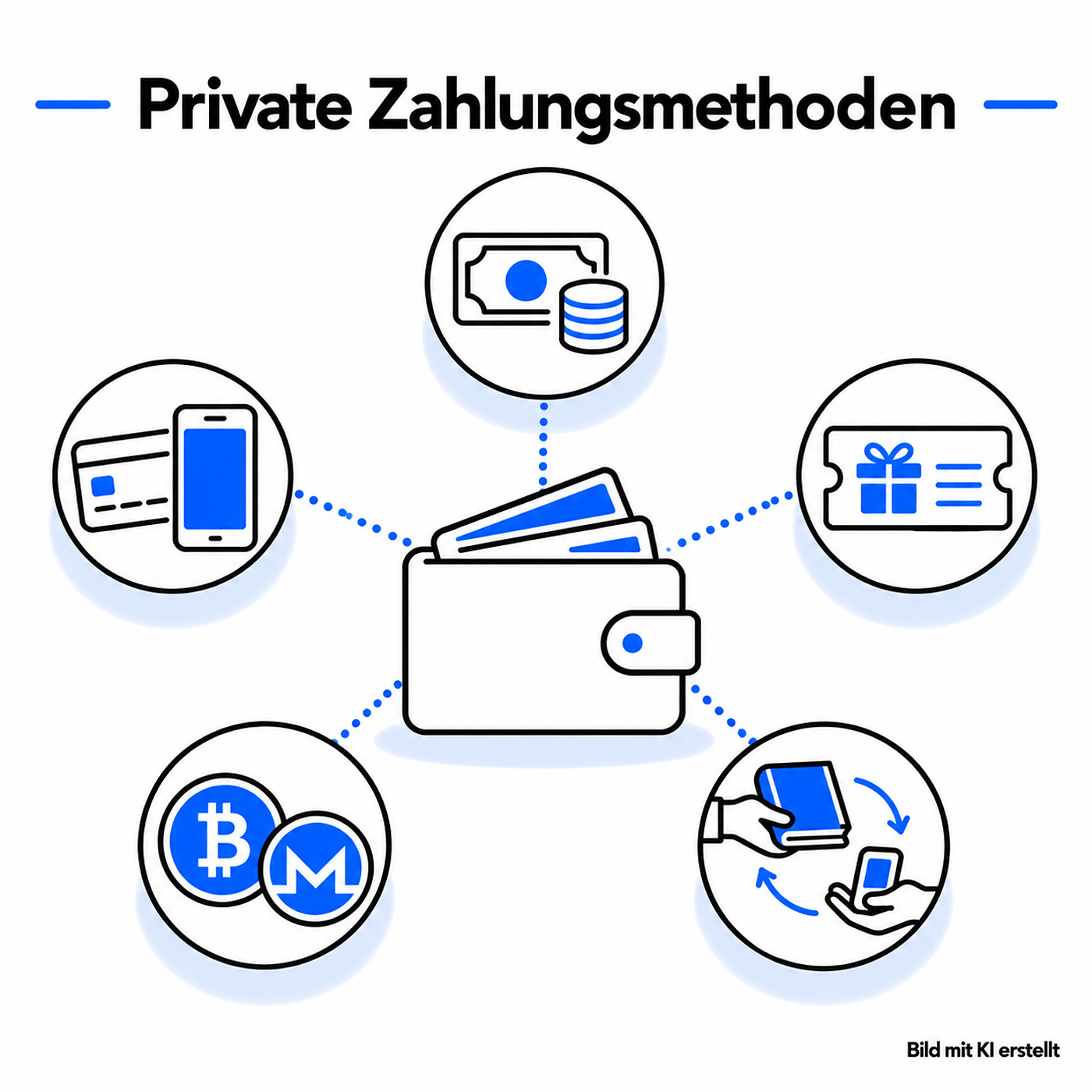
#020 So bezahlst du, ohne Datenspuren zu hinterlassen
breakfree
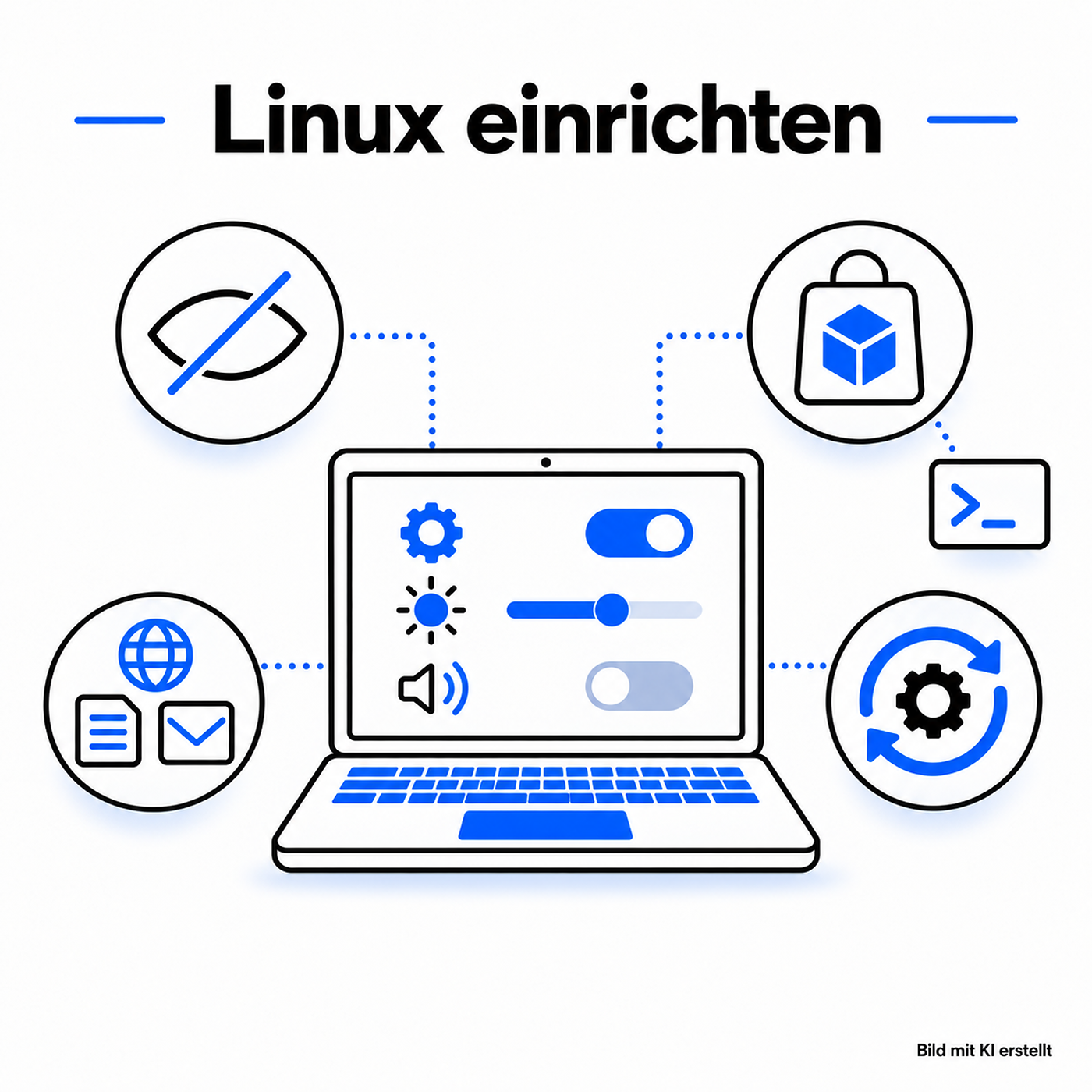
#019 Dein Laptop spioniert dich nicht mehr aus, ist dafür aber schneller
breakfree
#018 So entkommst du der Spyware von Microsoft und Apple
breakfree
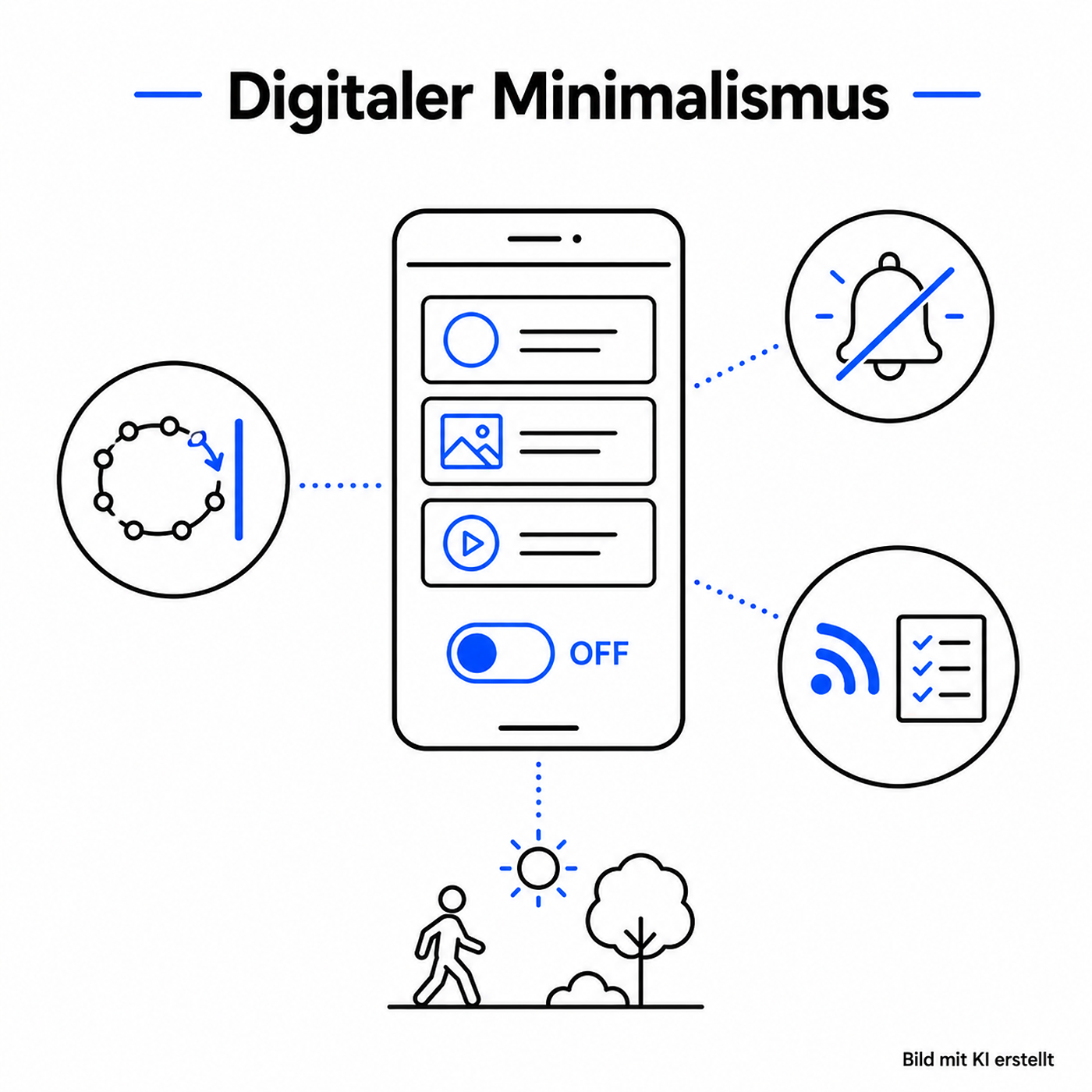
#017 Der Algorithmus kontrolliert dich!
breakfree
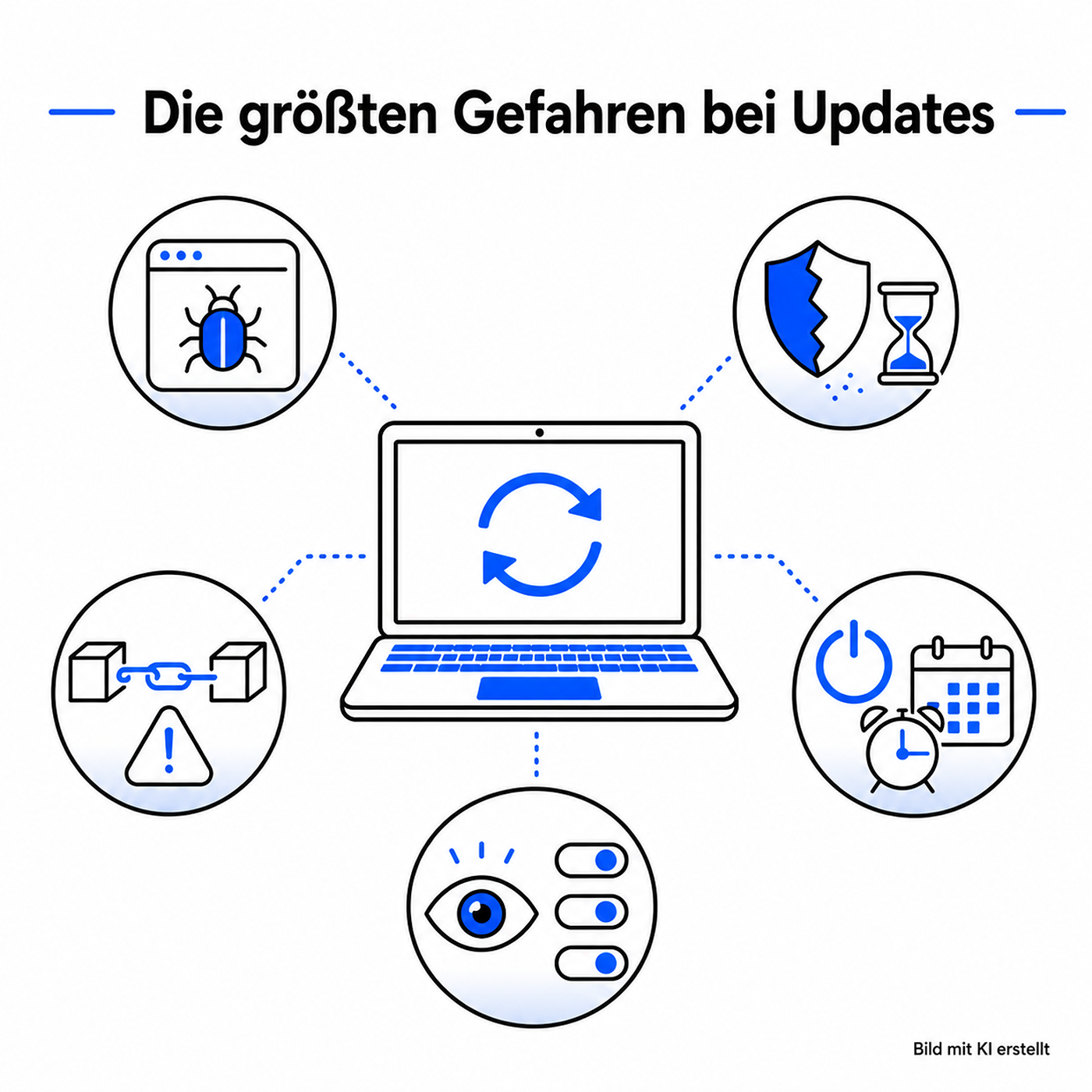
#016 Wie gefährlich sind Updates wirklich?
breakfree
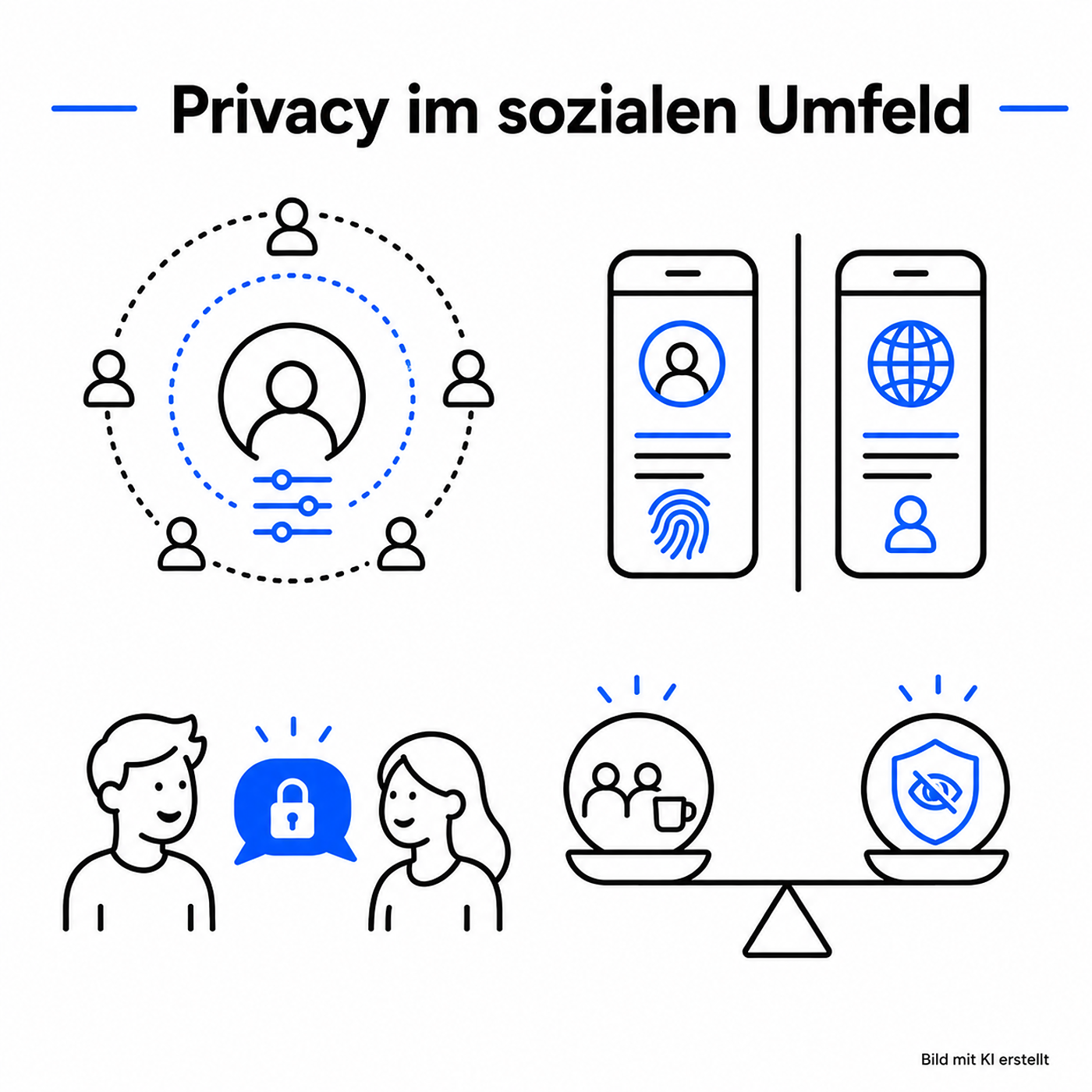
#015 Ist dein soziales Umfeld dein größtes Datenleck?
breakfree
#014 Unsere Wohnungen sind voll mit Technik, aber nicht verwanzt
breakfree





MenschenPeople


PublikationenPublications
Alle ansehenView all


WirtschaftEconomics
Bitcoin Mining Economics in 2026: Who Actually Profits
vor 1 Woche1 w ago3 Min.3 min

Weiter durchs NetzwerkAcross the network
Noch mehr zu entdecken.Keep exploring.
6 Beiträge geladen.6 stories loaded.

¿Bitcoin es un invento de la CIA?
Planeta Bitcoin, episodio 1. SHA-256, los precursores de Satoshi, la minería mercenaria y la carrera real entre Estados: por qué no hace falta creer nada, se puede verificar.
vor 2 Wochen2 w ago17 Min.17 min
Bitcoin: ¿por qué 21 millones?
¿Por qué 21 millones? El código original de Satoshi, sus correos y el titular del bloque génesis cuentan una historia mejor que la leyenda.
vor 1 Mon.1 mo ago12 Min.12 min

How To Steal Bitcoin: The Landauer Attack
Bitcoin's base layer was designed as a minimal, thermodynamically efficient ledger for value transfer. Over the past decade, a sequence of protocol changes and narrative shifts has progressively loaded the chain with non-payment data and institutional dependency. This report applies Landauer's principle, the thermodynamic cost of information, to Bitcoin's governance history, identifying a pattern of incremental complexity addition that threatens the protocol's core function as censorship-resistant money. The pattern is not hypothetical. It is documented in protocol commit histories, DOJ-released Epstein files, ETF prospectus language, and the public statements of the actors involved. The August 2026 BIP-110 activation window represents the first organized attempt to reverse this trajectory, and the institutional response to it reveals which actors benefit from the accumulated complexity.

vor 3 Mon.3 mo ago15 Min.15 min
The One Name Eric Weinstein Won't Say
A reply to Eric Weinstein — managing director of Thiel Capital — calling Argentines and Australians cowards, then waving away the question of Satoshi "as friends." On what courage actually costs, the Buenos Aires land-grab dressed up as "freedom," and why one name on Earth can't be met on the merits. It was never "ET phone home." Satoshi already came.

vor 4 Mon.4 mo ago4 Min.4 min
Bitcoin and the Digital Money Breakthrough
Nakamoto solved double-spending without a central operator and produced base money instead of another claim on an issuer.
vor 5 Mon.5 mo ago28 Min.28 min

