Max
Praxeologist ~ Cryptoanarchist ~ Cypherpunk
Message me on nostr:nprofile1qqs8t4ehcdrjgugzn3zgw6enp53gg2y2gfmekkg69m2d4gwxcpl04acpzamhxue69uhhyetvv9ujuurjd9kkzmpwdejhgtcppemhxue69uhkummn9ekx7mp0w3radp
VeröffentlichungenPublications
Peter Lewin treats capital as a changing structure of plans whose values guide business calculation and shift whenever entrepreneurs revise expectations.
Hülsmann defines gifts through property rights, arguing saving cheapens giving while cheap borrowing that lifts equity returns can make it costlier.
Kirzner explains capital goods as interim stages of ongoing plans and applies that view to sunk investment, waiting, durability and measurement.
Bresciani-Turroni explains German currency depreciation from 1914 to 1923 through Treasury and commercial credit, and why credible issue limits ended it.
Murphy's introductory textbook derives specialization, saving, profit, calculation, price controls and business cycles from purposeful choice, counting forgone alternatives as costs.
Murphy and Gabriel's companion to Mises's Human Action pairs chapter summaries with technical notes and study questions that test compressed arguments.
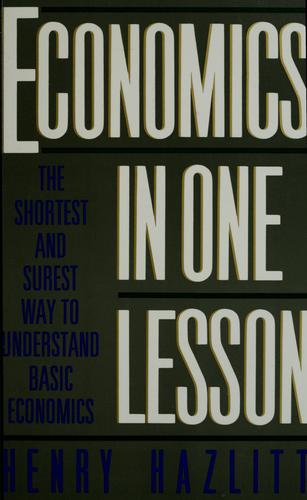
Hazlitt’s Economics in One Lesson guides beginners through prices, machinery, employment and saving, tracing economic consequences for all groups over time.
White Noise 2026.10.27 for Android decodes GIF and WebP animation in a permissionless worker and adds memory checks on capable phones.
David Rogers Webb argues that securities custody and collateral law were designed for worldwide seizure of investor assets during debt crises.
Vernor Vinge's 1985 story sets private insurers and legal services against invasion, where contracts outrun reserves and conflicting obligations become pretexts.
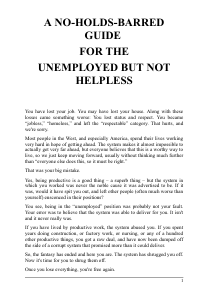
An anonymous tract urges the jobless to rebuild through useful production and trusted cooperation, leaving owners' rights an open legal question.
Ross Anderson's Security Engineering, third edition, explains how policy, mechanism, assurance and incentives determine whether real systems remain dependable under attack.
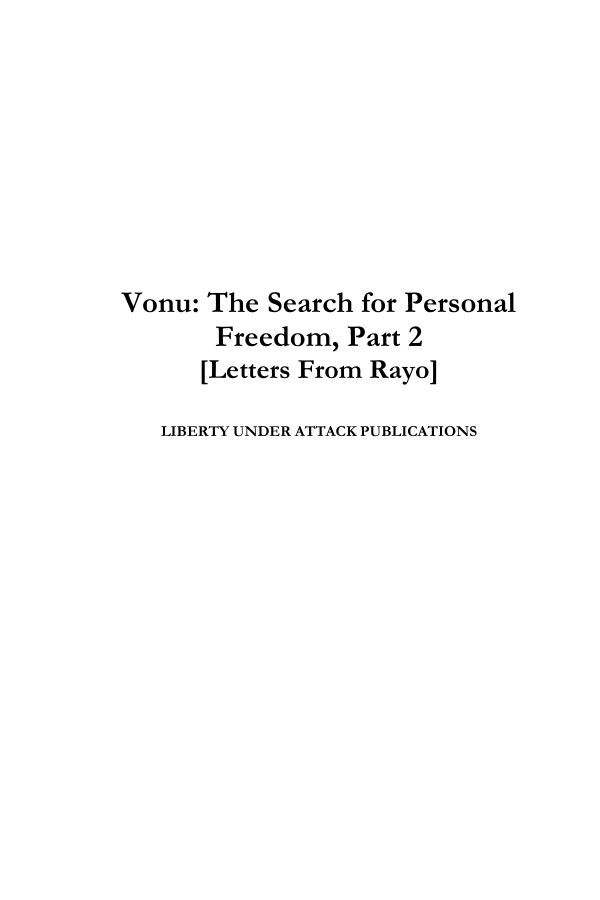
Rayo's letters, mostly 1968 to 1974, edited by Jim Stumm with critical commentary, record vonu experiments in nomadism and paid services.
Jim Stumm's newsletter notes from 1978 to 1989 record garden yields, drainage repairs, container plans, labor costs and harvest processing decisions.
An undated reprint of Jim Stumm's edited collection on household autonomy, preserving internal objections, dated assertions, and one troubling punitive vision.
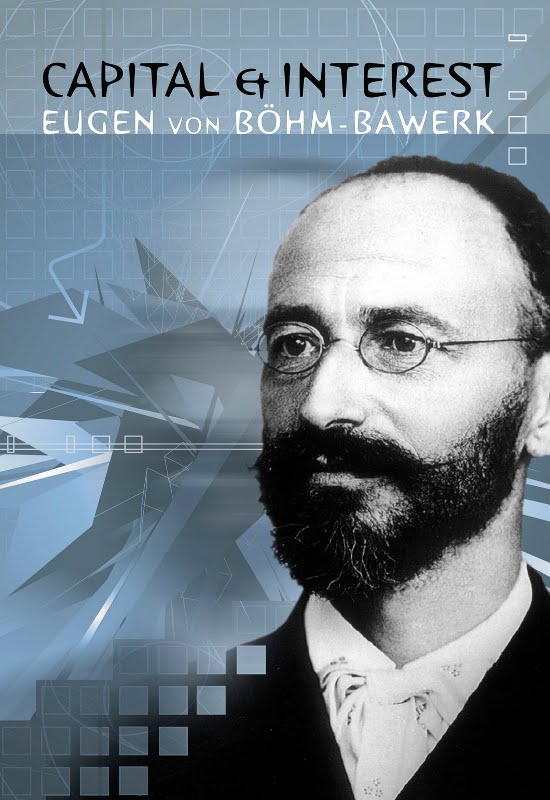
Böhm-Bawerk's 1890 critical history, translated by Smart, tests rival theories of interest by separating physical output, capital value and value surplus.
Murphy proposes contracted arbitration, liability insurers and threshold defense contracts to replace state courts and armies, leaving defense cost-splitting bargains unresolved.
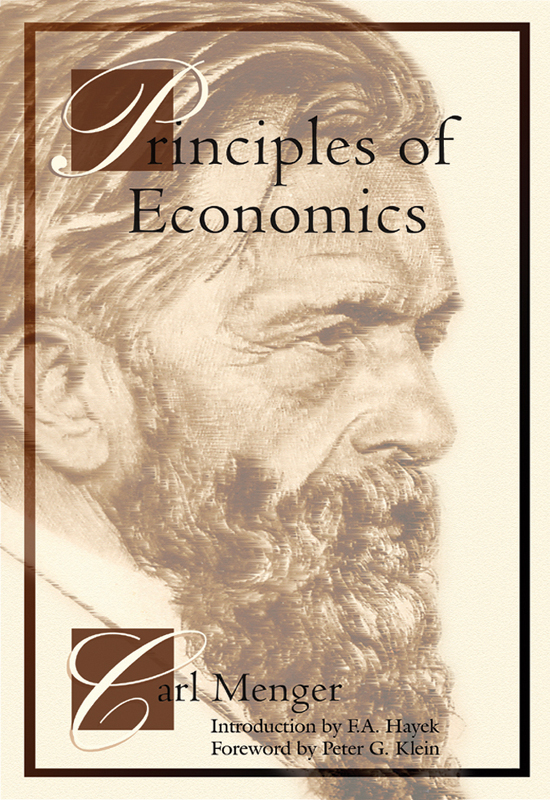
Menger's 1871 treatise derives input values, exchange, price bounds and money from individuals ranking their needs against limited quantities of goods.
Huerta de Soto defends full-reserve demand deposits, arguing credit exceeding voluntary saving lowers relative interest rates, making unsustainable projects look profitable.
Hülsmann judges money production by property and contract, separating honest credit from counterfeit titles beyond deposits and legal privileges suspending payment.
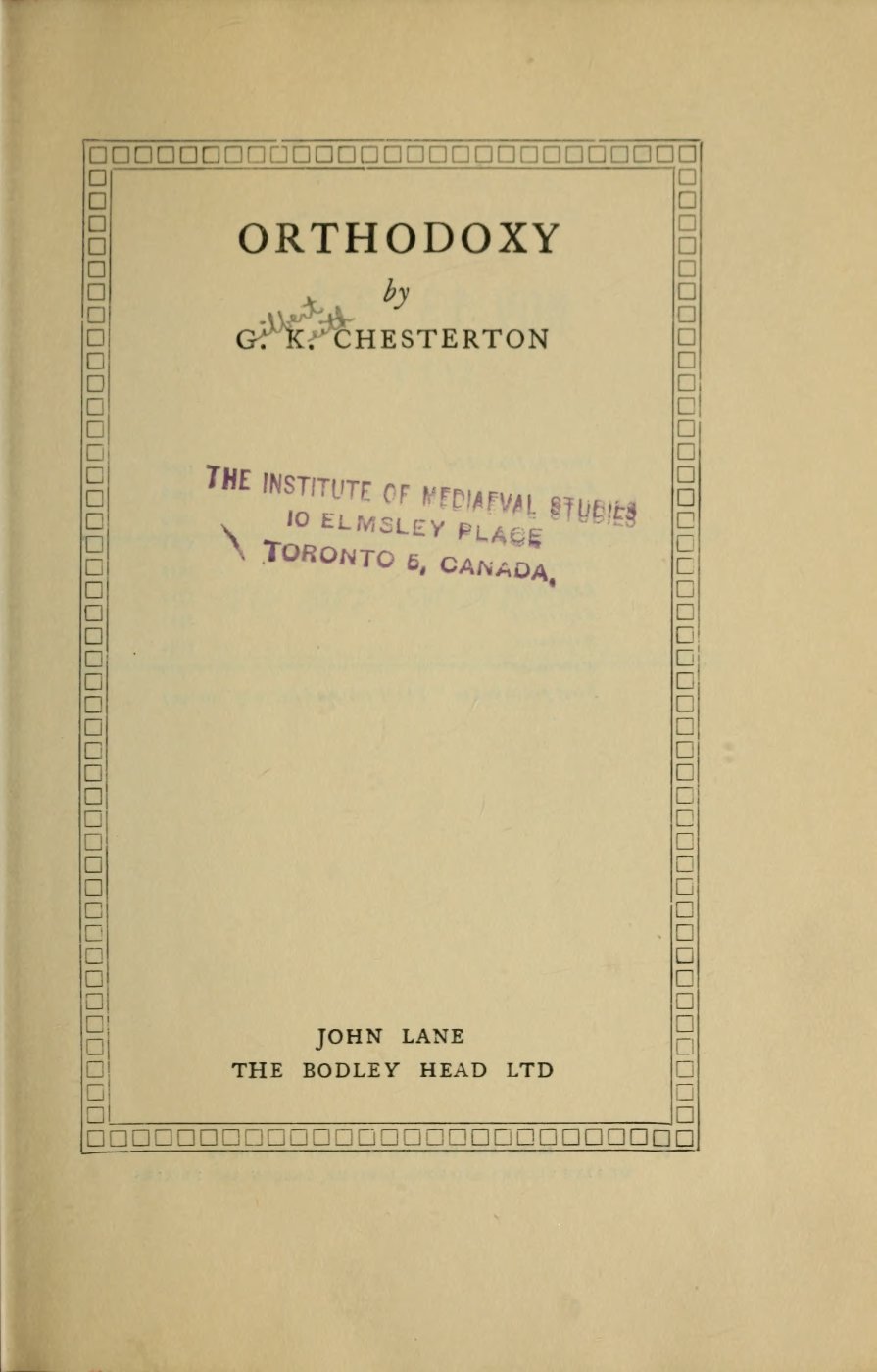
Chesterton's 1908 apologetic argues Christian doctrine best explains wonder and sustains reform, then defends accepting the Church as a living teacher.
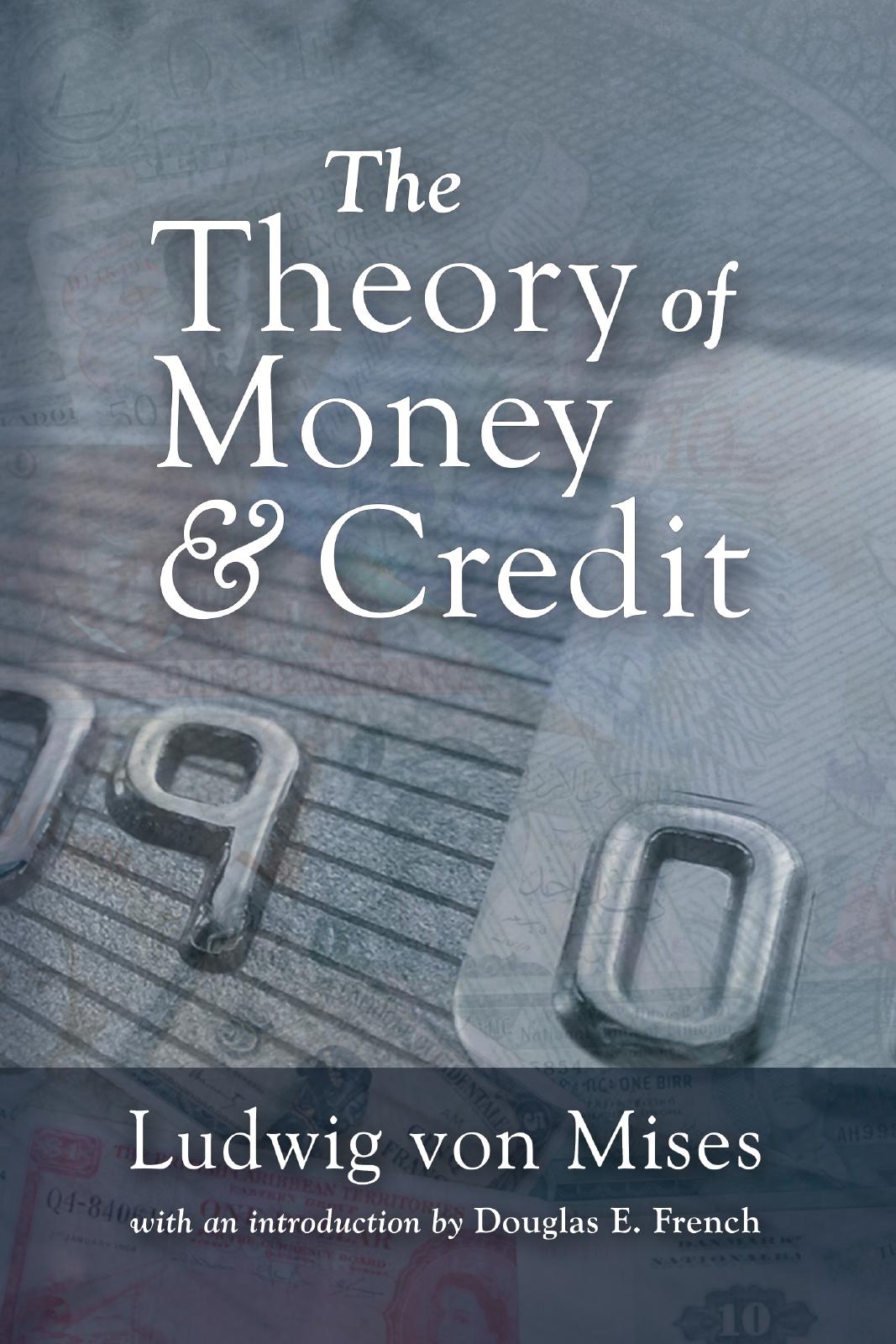
Mises argues purchasing power issued by banks can redirect investment toward longer production, which depends on real capital goods and labour.
Booklet pairing Hoppe's interview excerpts with Thomas Jacob's commentary on contract-based private arbitration, insurer restitution, political time horizons, decentralization and property.
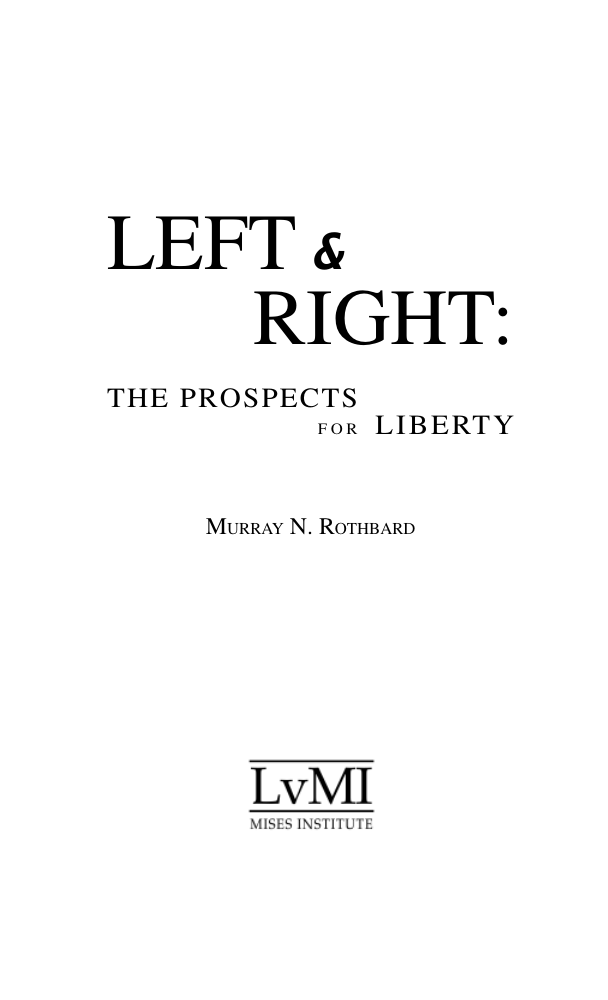
Rothbard's 1965 essay argues liberty's long-run prospects are strong because planning falters, while warning that incumbents and coalitions bend liberal doctrine.